Introduction
Pel’s Pouched Bat, scientifically known as Saccolaimus peli, is a fascinating mammal species that belongs to the family Emballonuridae, often referred to as sheath-tailed bats. This nocturnal creature is named after Captain Pel, a 19th-century British explorer who documented numerous African species. Pel’s Pouched Bat is known for its distinctive facial pouches, which are unique to its genus and play a crucial role in its mating rituals. While not as commonly known as some other bat species, Pel’s Pouched Bat holds a significant place in the ecosystem due to its role in insect control and pollination.
Physical Description
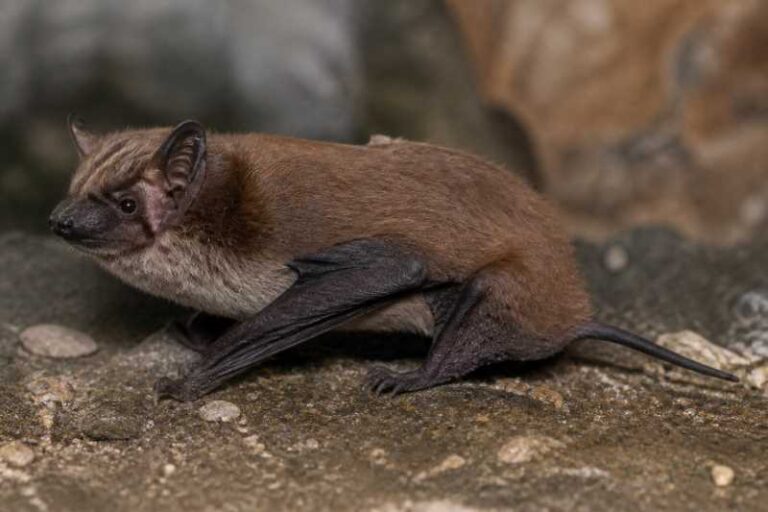
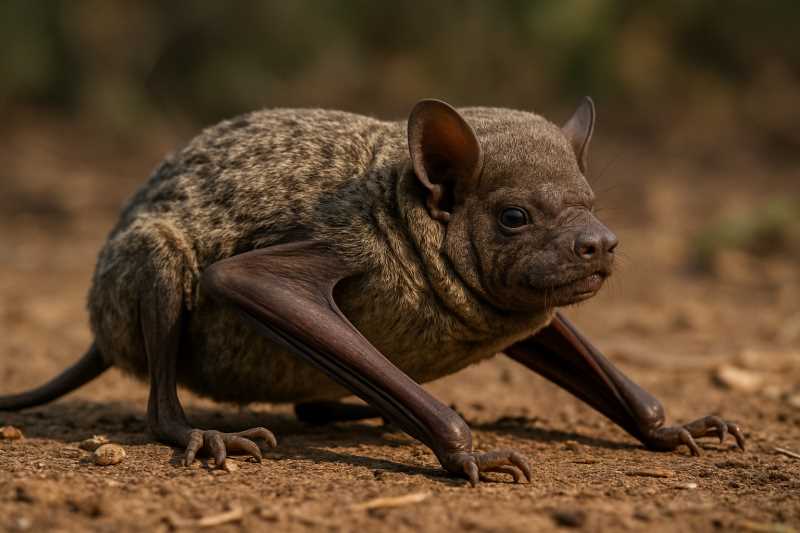
Pel’s Pouched Bat is a medium-sized bat with a distinctive appearance. It typically weighs between 40 to 60 grams, and its wingspan can reach up to 50 centimeters, making it a relatively large bat. The fur of Pel’s Pouched Bat is typically dark brown or black, providing excellent camouflage in its natural habitat. One of the most compelling features of this species is the small pouch located near the throat, which is more prominent in males and is used during courtship displays. Its ears are moderately large, and it has a short, broad muzzle. The tail is short and protrudes slightly beyond the uropatagium, the membrane that stretches between the hind limbs.
Range and Habitat
Pel’s Pouched Bat is predominantly found in tropical and subtropical regions of Africa. Its range extends across West Africa, including countries like Ghana, Nigeria, and Cameroon, and stretches towards East Africa in areas like Kenya and Tanzania. The species thrives in various habitats, ranging from dense forests to savannahs. It often roosts in hollow trees, caves, and sometimes even in abandoned buildings. The preference for roosting sites is influenced by the availability of food and the need for protection from predators.
Behavior and Diet
Pel’s Pouched Bat is primarily nocturnal, emerging at dusk to forage for food. Its diet predominantly consists of insects, making it an essential player in controlling insect populations. It uses echolocation to navigate and locate prey in the dark, emitting high-frequency sound waves that bounce off objects and return to the bat’s highly sensitive ears. The species is known for its fast and agile flight, enabling it to catch insects mid-air with remarkable precision. Socially, Pel’s Pouched Bat tends to form small colonies, with roosting groups consisting of a few dozen individuals. The mating season varies depending on the region, but males are known to use their throat pouches to release pheromones that attract females.
Identification Tips (Field Recognition Cues)
Identifying Pel’s Pouched Bat in the field requires keen observation of several key features:
- Size and Shape: Look for a medium-sized bat with a wingspan of about 50 centimeters.
- Coloration: Its dark brown or black fur is a distinguishing characteristic.
- Facial Pouch: Spotting the distinctive throat pouch can help confirm identification, especially in males.
- Flight Pattern: Observe the bat’s flight; it tends to be fast and agile, often seen darting around in search of insects.
- Echolocation Calls: If you have access to a bat detector, listen for the high-frequency calls that are characteristic of this species.
Conservation Status (With Threats and Protections)
As of the latest assessments, Pel’s Pouched Bat is not listed as endangered, but it faces several threats that could impact its populations. Habitat destruction due to deforestation and agricultural expansion is the primary threat to this species. In some areas, bats are hunted for bushmeat, and their roosting sites are disturbed by human activity. Conservation efforts for Pel’s Pouched Bat focus on habitat preservation and educating local communities about the ecological benefits of bats. Protected areas and national parks in Africa play a crucial role in safeguarding the habitats of this species.
Frequently Asked Questions
1. Where can I find Pel’s Pouched Bat in the wild? Pel’s Pouched Bat is commonly found in tropical and subtropical regions of Africa, particularly in West and East African countries. They prefer habitats like dense forests and savannahs.
2. What do Pel’s Pouched Bats eat? Their diet primarily consists of insects, which they catch using echolocation during their nocturnal foraging activities.
3. Are Pel’s Pouched Bats endangered? Currently, Pel’s Pouched Bat is not considered endangered, but it faces threats from habitat destruction and hunting, which require ongoing conservation efforts.
4. How do Pel’s Pouched Bats communicate? They use echolocation for navigation and communication, emitting high-frequency sound waves that help them locate prey and avoid obstacles.
5. What is unique about Pel’s Pouched Bat’s reproduction? Male Pel’s Pouched Bats have a throat pouch used to release pheromones, which plays a crucial role in attracting females during the mating season.
Related posts