Introduction
The Chingawa Forest Rat, scientifically known as Chingawaemys rarus, is a rare and intriguing species that captures the interest of mammalogists and nature enthusiasts alike. Found in a limited geographical range, this species is an excellent subject for studying biodiversity and conservation biology. The Chingawa Forest Rat is part of the Muridae family, which includes a vast array of rodents. Despite its limited range, this species plays a crucial role in its ecosystem. This article delves into various aspects of the Chingawa Forest Rat, including its physical characteristics, habitat, behavior, and conservation status, providing a comprehensive overview of this elusive mammal.
Physical Description
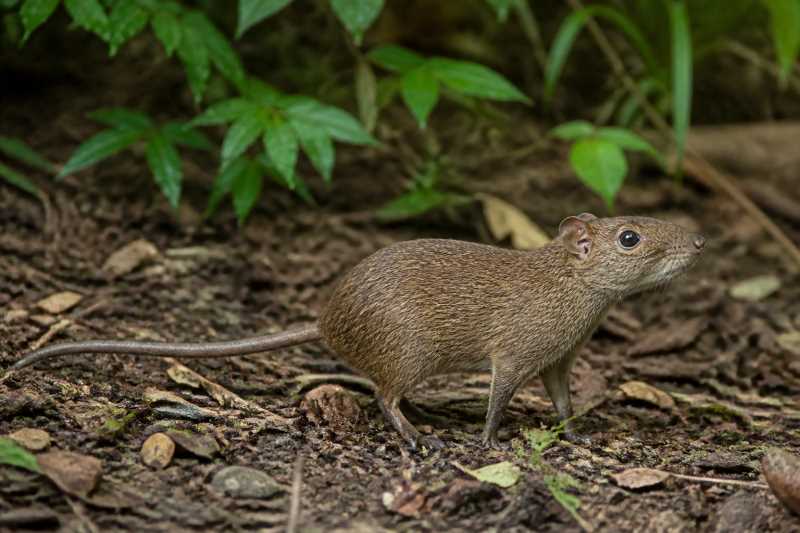
The Chingawa Forest Rat is a medium-sized rodent, with adults typically weighing between 150 to 200 grams. Its body length ranges from 18 to 22 centimeters, with a tail length that is slightly shorter than its body, measuring between 12 to 15 centimeters. The fur of the Chingawa Forest Rat is soft and dense, providing excellent insulation against the cooler temperatures of its forest habitat. The dorsal side is predominantly a dark brown color, blending seamlessly with the forest floor, while the ventral side is a lighter grayish-white, offering a subtle contrast.
One of the distinguishing features of Chingawaemys rarus is its large, prominent eyes, adapted for nocturnal vision. Its ears are small and rounded, which helps in minimizing heat loss. The species has sharp incisors, typical of rodents, allowing it to gnaw through tough plant material and seeds. Its feet are equipped with sharp claws, aiding in climbing and foraging.
Range and Habitat
The Chingawa Forest Rat is endemic to the Chingawa Forest region, a biodiverse area located in a remote part of Central Africa. This forest is characterized by its tropical rainforest climate, with high humidity and a rich diversity of flora and fauna. The dense canopy and understory provide an ideal habitat for the Chingawa Forest Rat, offering ample cover from predators and a wealth of food resources.
The species is primarily found in the lower to mid-elevation zones of the forest, where the environment is most stable. It prefers areas with dense vegetation and a thick layer of leaf litter, which provides both food and protection. This habitat preference makes the Chingawa Forest Rat particularly vulnerable to habitat destruction, as deforestation and land conversion for agriculture are ongoing threats in the region.
Behavior and Diet
The Chingawa Forest Rat is a nocturnal creature, spending its nights foraging for food and its days resting in burrows or tree hollows. Its diet is omnivorous, consisting of seeds, fruits, insects, and occasionally small vertebrates. The rat plays a significant role in seed dispersal, aiding in the regeneration of the forest.
Socially, the Chingawa Forest Rat is mostly solitary, coming together only during the breeding season. Communication between individuals is primarily through scent markings and vocalizations, which include high-pitched squeaks and chirps. These vocalizations are believed to play a role in territory establishment and mate attraction.
Identification Tips
Identifying the Chingawa Forest Rat in the field can be challenging due to its elusive nature and nocturnal habits. However, several characteristics can aid in its identification:
- Size and Shape: Look for a medium-sized rodent with a robust body and a tail slightly shorter than its body length.
- Fur Coloration: Note the dark brown dorsal fur and lighter grayish-white ventral fur.
- Eye Size: The rat’s large eyes are adapted for nighttime activity and are a distinguishing feature.
- Habitat Preference: Observations are more likely in dense, undisturbed forest areas with abundant leaf litter.
- Behavior: Listen for the distinctive high-pitched vocalizations during the night.
Conservation Status
The Chingawa Forest Rat is currently classified as Near Threatened on the IUCN Red List. The primary threats to its survival include habitat destruction due to logging, agriculture, and human encroachment. Additionally, climate change poses a long-term threat by altering the forest ecosystem.
Conservation efforts for the Chingawa Forest Rat focus on habitat preservation and restoration. Protected areas within the Chingawa Forest have been established, but enforcement and management remain challenging due to limited resources and competing land-use interests. Conservationists are also working to raise awareness among local communities about the ecological importance of this species.
Frequently Asked Questions
1. What does the Chingawa Forest Rat eat?
The Chingawa Forest Rat has an omnivorous diet consisting of seeds, fruits, insects, and occasionally small vertebrates. This diverse diet aids in its survival in the dense forest environment.
2. Where is the Chingawa Forest Rat found?
The species is endemic to the Chingawa Forest region in Central Africa, specifically inhabiting the lower to mid-elevation zones of this tropical rainforest.
3. How can I identify a Chingawa Forest Rat?
Look for a medium-sized rodent with a dark brown dorsal and lighter ventral fur, large eyes, and a preference for dense forest habitats. Listening for high-pitched vocalizations at night may also help.
4. Why is the Chingawa Forest Rat considered near threatened?
Its near-threatened status is primarily due to habitat destruction from logging, agriculture, and climate change. Conservation efforts focus on habitat preservation and raising awareness.
5. Is the Chingawa Forest Rat nocturnal?
Yes, the Chingawa Forest Rat is nocturnal, foraging for food at night and resting during the day in burrows or tree hollows.
Related posts