Introduction
The Long-tailed Oldfield Mouse, scientifically known as Thomasomys ischyrus, is a fascinating rodent species within the Cricetidae family. This elusive mammal is native to the Andean regions of South America and is noted for its distinctive long tail and elusive nature. Its discovery dates back to the early 20th century, and since then, it has intrigued scientists and nature enthusiasts alike. As we delve into the world of the Long-tailed Oldfield Mouse, we will explore its physical characteristics, habitat preferences, behavior, and conservation status.
Physical Description
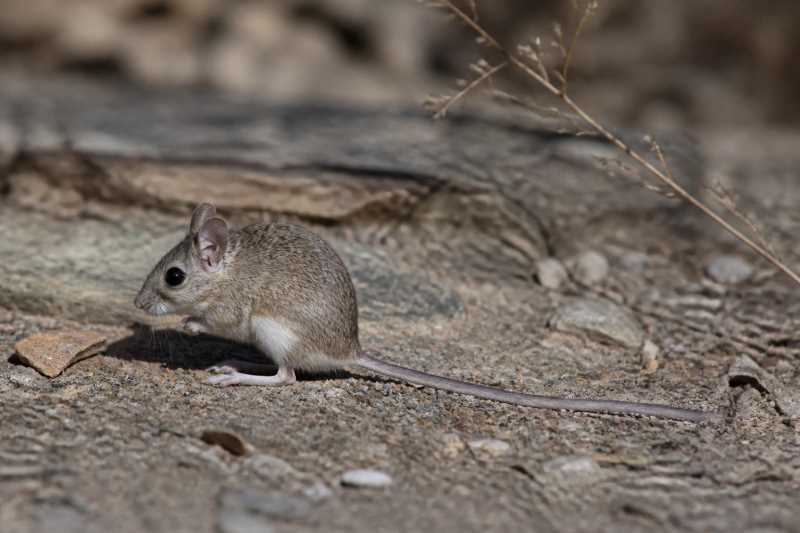
The Long-tailed Oldfield Mouse is a small, yet robust rodent, characterized by its notably long tail, which often exceeds its body length. On average, the body length ranges from 10 to 12 centimeters, while the tail can extend up to 15 centimeters. This adaptation aids in balance and agility, essential for its arboreal lifestyle. The fur is generally soft and dense, exhibiting a brownish-gray coloration on the dorsal side and a lighter hue on the ventral side. Its sharp, curved claws and slender limbs are perfectly adapted for climbing.
Range and Habitat
The natural range of Thomasomys ischyrus is confined to the Andean cloud forests and high-altitude grasslands of Peru and Bolivia. These regions offer a unique ecosystem characterized by high humidity, dense vegetation, and a variety of microhabitats. The mouse is particularly fond of areas with abundant undergrowth, where it can forage and hide from predators. The altitudinal range of this species is typically between 1,800 and 3,500 meters above sea level, where temperatures are cooler and precipitation is frequent.
Behavior and Diet
The Long-tailed Oldfield Mouse is primarily nocturnal, engaging in most of its activities under the cover of darkness. This behavior reduces its exposure to predators and the harsh daytime climate of its high-altitude habitat. It is an omnivorous species, with a diet comprising seeds, fruits, insects, and occasionally small vertebrates. Foraging occurs mainly on the ground, but it is also known to climb shrubs and small trees in search of food. Social behavior is not well-documented, but it is generally considered solitary or found in small family groups.
Identification Tips (Field Recognition Cues)
Identifying the Long-tailed Oldfield Mouse in the field can be challenging due to its secretive nature. However, several key traits can aid in recognition:
- Tail Length: The most distinctive feature is its long tail, which is usually longer than its body.
- Fur Color: Look for the characteristic brownish-gray upper body and lighter underbelly.
- Habitat: If you are in the high-altitude regions of the Andes, especially in cloud forests or grasslands, you are in its natural habitat.
- Behavior: Typically seen during nighttime when it is most active.
Conservation Status (with threats and protections)
The conservation status of Thomasomys ischyrus is currently listed as "Least Concern" by the International Union for Conservation of Nature (IUCN). However, its habitat faces threats from human activities such as agriculture expansion, deforestation, and mining. These activities lead to habitat fragmentation, which poses a significant threat to the species’ long-term survival. Conservation efforts are primarily focused on habitat preservation and promoting sustainable land-use practices. Protected areas within its range also provide a sanctuary for this species.
Frequently Asked Questions
What is the Long-tailed Oldfield Mouse’s primary habitat?
The Long-tailed Oldfield Mouse primarily inhabits the Andean cloud forests and high-altitude grasslands of Peru and Bolivia, thriving in regions with dense vegetation and high humidity.
How does the Long-tailed Oldfield Mouse adapt to its environment?
This species adapts through its arboreal skills, using its long tail for balance, and by being nocturnal to avoid predators and harsh weather conditions.
What does the Long-tailed Oldfield Mouse eat?
Thomasomys ischyrus is omnivorous, feeding on a diet of seeds, fruits, insects, and occasionally small vertebrates, foraging both on the ground and in low vegetation.
Are there any conservation efforts for the Long-tailed Oldfield Mouse?
Yes, conservation efforts focus on habitat preservation and sustainable land-use practices, with protected areas established within its natural range to safeguard its habitat.
How can you identify a Long-tailed Oldfield Mouse in the wild?
Key identification features include its long tail, brownish-gray fur with a lighter underbelly, and its presence in high-altitude Andean regions, often active at night.
Related posts