Edwards’s Long-clawed Mouse (Notiomys edwardsii): A Comprehensive Overview
Introduction
Edwards’s Long-clawed Mouse, scientifically known as Notiomys edwardsii, is a unique and fascinating rodent species that inhabits specific regions of South America. Known for its distinctive physical traits and elusive behavior, this species plays a significant role in the ecosystems it inhabits. This article aims to provide an in-depth analysis of Edwards’s Long-clawed Mouse, covering its physical description, habitat, behavior, conservation status, and more.
Physical Description
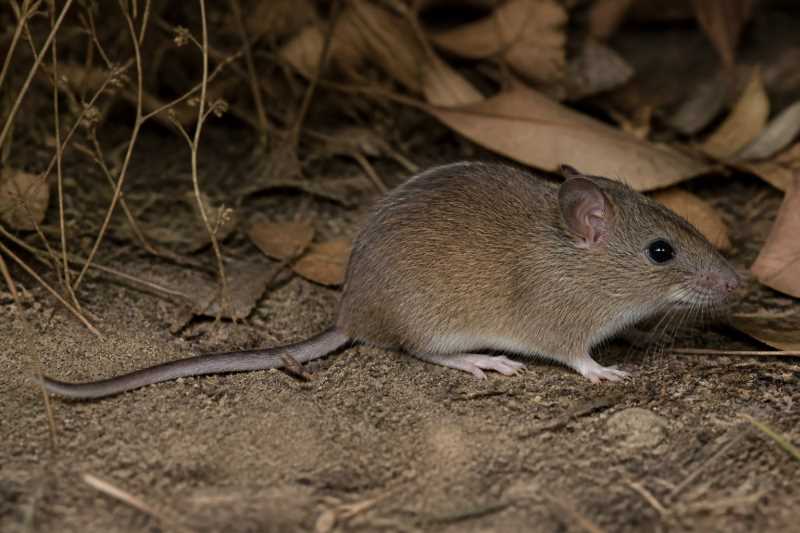
Edwards’s Long-clawed Mouse is a small rodent, measuring approximately 10 to 12 centimeters in body length, with a tail that extends another 8 to 10 centimeters. The species is primarily characterized by its unusually long claws, which are adapted for digging and foraging through dense underbrush and soil. The fur of Notiomys edwardsii is typically a soft, brownish-grey color, providing excellent camouflage in its natural habitat. The underbelly is a lighter cream or white, contrasting with the darker dorsal fur. The mouse’s ears are small and rounded, while its eyes are relatively large, aiding in nocturnal activities.
Range and Habitat
The Edwards’s Long-clawed Mouse is native to the temperate regions of southern South America, predominantly found in Argentina and Chile. These mice favor habitats such as grasslands, shrublands, and forest edges, where they can easily dig and find food. The species is known to inhabit areas with dense vegetation, which offers protection from predators and harsh weather conditions. It is particularly prevalent in the Patagonian steppe, where the environmental conditions support its lifestyle and dietary needs.
Behavior and Diet
Primarily nocturnal, Edwards’s Long-clawed Mouse is an adept forager, using its long claws to dig through soil and leaf litter in search of food. Its diet mainly consists of seeds, insects, and small invertebrates, which it locates using its keen sense of smell. Social behavior in this species is relatively limited, with individuals often leading solitary lives except during the breeding season. During this period, males and females will interact for mating purposes, after which the female will rear the young alone.
Identification Tips (Field Recognition Cues)
Field identification of Edwards’s Long-clawed Mouse can be challenging due to its elusive nature and the dense habitats it prefers. However, there are several key characteristics to note:
- Long Claws: As the name suggests, the long claws are a distinctive feature, particularly on the forelimbs.
- Fur Coloration: Look for the characteristic brownish-grey fur with a lighter underbelly.
- Size: Note the small size, with a total length (including the tail) of approximately 18 to 22 centimeters.
- Habitat: These mice are often found in areas with dense vegetation, so searching in grasslands and forest edges can increase chances of observation.
- Behavior: Nocturnal activity patterns mean they are most active during dusk and dawn.
Conservation Status (With Threats and Protections)
Currently, Edwards’s Long-clawed Mouse is not listed as endangered, but it faces various environmental threats that could impact its populations. Habitat destruction due to agricultural expansion and urban development poses significant risks. Additionally, climate change may alter its habitat, leading to reduced food availability and increased competition.
Conservation efforts for Notiomys edwardsii include habitat protection and monitoring population trends. Protected areas in Argentina and Chile help preserve vital ecosystems where this species thrives. Continued research and conservation measures are essential to ensure that this unique rodent remains a part of South America’s rich biodiversity.
Frequently Asked Questions
What is the primary diet of Edwards’s Long-clawed Mouse?
Edwards’s Long-clawed Mouse primarily feeds on seeds, insects, and small invertebrates. Its long claws are specially adapted to help it dig through soil and leaf litter in search of food.
Where can Edwards’s Long-clawed Mouse be found?
This species is native to southern South America, specifically in Argentina and Chile. It prefers habitats such as grasslands, shrublands, and forest edges with dense vegetation.
How does Edwards’s Long-clawed Mouse adapt to its environment?
The mouse’s long claws and keen sense of smell are crucial adaptations for foraging. Its nocturnal nature helps it avoid predators, and its fur coloration provides effective camouflage.
What threats does Edwards’s Long-clawed Mouse face?
Habitat destruction due to urban development and agriculture, along with climate change impacts, pose significant threats to its survival. Conservation efforts focus on habitat protection and monitoring population trends.
How can Edwards’s Long-clawed Mouse be identified in the wild?
Key identification features include its long claws, brownish-grey fur with a lighter underbelly, small size, and preference for dense vegetation habitats.
Related posts