Introduction
The Lesser Ryukyu White-toothed Shrew (Crocidura watasei) is a fascinating small mammal endemic to the Ryukyu Islands of Japan. Known for its elusive nature and intriguing behaviors, this species is a subject of interest for biologists and wildlife enthusiasts alike. Despite its name, the Lesser Ryukyu White-toothed Shrew plays a significant role within its ecosystem, contributing to the biodiversity of the region. In this article, we will explore various aspects of this unique species, including its physical characteristics, habitat, behavior, and conservation status.
Physical Description
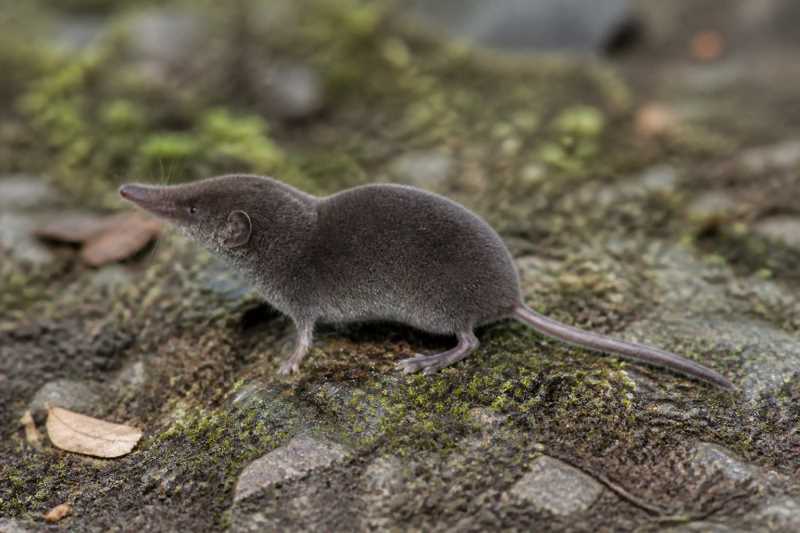
The Lesser Ryukyu White-toothed Shrew is a small mammal with a body length ranging from 5 to 7 centimeters, and it typically weighs between 5 and 10 grams. Its fur is a dark grayish-brown on the dorsal side, providing excellent camouflage against the forest floor, while the ventral side is lighter. One of the most distinguishing features of this shrew is the absence of pigmentation in its teeth, which are characteristically white, unlike those of many other shrew species that have iron deposits giving them a reddish appearance.
The shrew has a pointed snout and small, beady eyes, which are typical of species that rely more on olfactory senses than vision. Its ears are small and usually hidden within the fur, and its limbs are short and adapted to digging and foraging through leaf litter. The tail, slightly shorter than the body, is covered in sparse hair and aids in balance and movement through its habitat.
Range and Habitat
Crocidura watasei is found exclusively in the Ryukyu Archipelago, specifically on the islands of Okinawa, Amami Oshima, and several smaller surrounding islands. This geographical restriction makes it an island endemic species, contributing to its unique evolutionary traits.
The habitat of the Lesser Ryukyu White-toothed Shrew primarily consists of subtropical forests, where it inhabits the understory and the forest floor. These environments provide ample cover and a rich supply of food sources. The shrew is also occasionally found in grasslands and agricultural areas, showcasing its adaptability to different environments. However, it prefers areas with dense leaf litter and ample ground cover as these provide protection from predators and harsh weather conditions.
Behavior and Diet
The Lesser Ryukyu White-toothed Shrew is primarily nocturnal, engaging in most of its activities during the night. This nocturnal lifestyle helps it avoid many diurnal predators. It is a solitary creature, with individuals maintaining territories that they defend from intruders. These territories are marked using scent glands located on the body, and the shrews communicate through a series of high-pitched squeaks.
In terms of diet, Crocidura watasei is insectivorous, feeding on a diet rich in insects, worms, and other small invertebrates. Its diet may also include small vertebrates when available. The shrew’s keen sense of smell allows it to locate prey hidden under leaf litter or soil. Its sharp teeth are adapted to grasp and consume prey efficiently.
Identification Tips (field recognition cues)
Identifying the Lesser Ryukyu White-toothed Shrew in the field can be challenging due to its small size and elusive nature. However, there are several cues that can aid in its identification:
- Size and Coloration: Look for a small mammal with dark grayish-brown fur dorsally and lighter ventrally.
- Tail: Note the tail length, which is slightly shorter than the body and covered in sparse hair.
- Teeth: If close observation is possible, the distinct white teeth are a definitive characteristic.
- Behavior: Listen for high-pitched squeaks, especially during the night, indicating their presence.
- Habitat: Focus on areas with dense leaf litter or forest floors in the Ryukyu Islands.
Conservation Status (with threats and protections)
The Lesser Ryukyu White-toothed Shrew is currently listed as a species of Least Concern on the IUCN Red List. However, its limited range makes it vulnerable to habitat destruction and environmental changes. Urbanization, deforestation, and agricultural expansion in the Ryukyu Islands pose significant threats to its habitat.
Conservation efforts are in place to protect its natural habitats through the establishment of protected areas and environmental regulations aimed at preserving the unique ecosystems of the Ryukyu Islands. Continued research and monitoring are essential to ensure that this species does not become at risk.
Frequently Asked Questions
What is the lifespan of the Lesser Ryukyu White-toothed Shrew?
The lifespan of Crocidura watasei in the wild is relatively short, typically ranging from one to two years. Factors such as predation and environmental conditions heavily influence their survival.
How does the Lesser Ryukyu White-toothed Shrew contribute to its ecosystem?
As an insectivore, the shrew helps control insect populations, contributing to the ecological balance. It also serves as prey for larger predators, playing a role in the food chain.
Are there any conservation programs for the Lesser Ryukyu White-toothed Shrew?
Yes, there are conservation programs aimed at preserving the habitats of the Ryukyu Islands, which indirectly protect the shrew. These include habitat restoration and the establishment of protected areas.
Can the Lesser Ryukyu White-toothed Shrew be kept as a pet?
No, the Lesser Ryukyu White-toothed Shrew is a wild animal and is not suitable for domestication. It requires specific environmental conditions that are difficult to replicate in captivity.
What adaptations allow the Lesser Ryukyu White-toothed Shrew to thrive in its environment?
Its keen sense of smell, sharp teeth, and nocturnal behavior are key adaptations that enable it to effectively hunt and avoid predators in its forested habitat.
Related posts