Introduction
The Tian Shan ground squirrel, scientifically known as Spermophilus nilkaensis, is a fascinating rodent species native to the mountainous regions of Central Asia. These squirrels play a significant ecological role in their habitats, contributing to soil aeration and seed dispersion. This article delves into the various aspects of the Tian Shan ground squirrel, covering its physical characteristics, habitat, behavior, and conservation status, along with providing identification tips for enthusiasts and researchers.
Physical Description
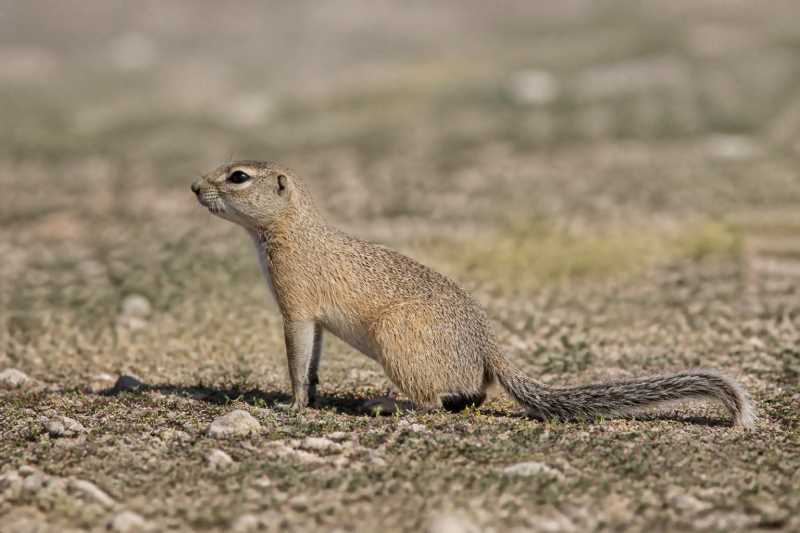
The Tian Shan ground squirrel is a medium-sized rodent with a robust build. On average, adults measure about 20 to 25 centimeters in body length, with a tail length of approximately 6 to 10 centimeters. Their weight typically ranges from 200 to 400 grams, depending on factors such as age, sex, and seasonal conditions.
Their fur is predominantly grayish-brown, providing excellent camouflage against the rocky terrain of their habitat. The underside is lighter, usually a pale beige or whitish color. One of the distinguishing features is their short, bushy tail, which is often tipped with a darker color. Their ears are small and rounded, and they possess sharp claws adapted for digging.
Range and Habitat
The Tian Shan ground squirrel is primarily found in the Tian Shan mountain range, which spans several countries including Kazakhstan, Kyrgyzstan, and China. These squirrels are adapted to high-altitude environments, typically occupying alpine meadows, steppes, and rocky outcrops.
Their habitat preferences are influenced by the availability of food and the need for burrowing sites. They construct extensive burrow systems that serve as refuges from predators and harsh weather conditions. The burrows also function as storage sites for food during the colder months.
Behavior and Diet
Tian Shan ground squirrels are diurnal, meaning they are active during the day. They are social animals, often found in colonies that provide safety in numbers from predators such as birds of prey and carnivorous mammals.
Their diet is primarily herbivorous, consisting of grasses, seeds, and various plant materials. However, they are opportunistic feeders and may occasionally consume insects and other small invertebrates. Seasonal variations in food availability lead them to store excess food in their burrows to sustain them through winter months.
During the colder months, these squirrels enter a state of hibernation, significantly reducing their metabolic rate to conserve energy. This period of dormancy can last several months, depending on weather conditions and altitude.
Identification Tips (Field Recognition Cues)
Recognizing the Tian Shan ground squirrel in the wild involves observing several key characteristics:
- Size and Build: Look for a medium-sized rodent with a robust body and a short, bushy tail.
- Fur Color: Note the grayish-brown fur that blends well with rocky terrains, with a lighter underbelly.
- Behavior: Observe their activity patterns; they are diurnal and often found in groups.
- Habitat: Focus your search in alpine meadows and rocky areas within the Tian Shan range.
- Burrows: Look for burrow entrances, which are indicative of their presence.
Conservation Status (with Threats and Protections)
The Tian Shan ground squirrel is currently classified as a species of least concern by the International Union for Conservation of Nature (IUCN). However, like many wildlife species, they face several threats that could impact their populations in the future.
Threats:
- Habitat Destruction: Agricultural expansion and urban development are leading to habitat loss.
- Climate Change: Alterations in temperature and precipitation patterns may affect their food sources and hibernation cycles.
- Predation: Increased predation pressure from expanding populations of predators.
Protections:
- Protected Areas: Some of their habitats fall within national parks and reserves, offering them a degree of protection.
- Conservation Programs: Initiatives aimed at preserving alpine and steppe ecosystems indirectly benefit these squirrels.
Conservation efforts must continue to focus on habitat preservation and monitoring population trends to ensure the long-term survival of the species.
Frequently Asked Questions
1. What do Tian Shan ground squirrels eat?
Tian Shan ground squirrels primarily consume grasses, seeds, and plant materials. They are opportunistic feeders and may also eat insects when available. During the summer, they actively forage and store food in their burrows to sustain themselves through the winter months.
2. Where can you find Tian Shan ground squirrels?
These squirrels are found in the Tian Shan mountain range, which spans Central Asia, including parts of Kazakhstan, Kyrgyzstan, and China. They inhabit alpine meadows, steppes, and rocky outcrops at high altitudes.
3. How do Tian Shan ground squirrels adapt to winter?
To survive the harsh winter conditions, Tian Shan ground squirrels enter hibernation, significantly lowering their metabolic rate to conserve energy. They rely on stored food collected during the warmer months to sustain themselves throughout this period.
4. Are Tian Shan ground squirrels endangered?
Currently, Tian Shan ground squirrels are classified as a species of least concern. However, they face threats such as habitat destruction and climate change, which could impact their populations if not addressed.
5. How can you identify a Tian Shan ground squirrel?
Key identification features include their medium size, grayish-brown fur, short bushy tail, and preference for alpine and rocky habitats. They are diurnal and often found in colonies, making them easier to spot during the day.
Related posts