Introduction
The Lemming Mountain Vole (Alticola lemminus) is a small rodent species belonging to the family Cricetidae. Known for its adaptability to harsh mountainous environments, this vole is an essential component of its ecosystem, contributing to soil aeration and serving as prey for a variety of predators. Despite its significance, the Lemming Mountain Vole remains relatively understudied compared to other rodent species, making it an intriguing subject for ecological research.
Physical Description
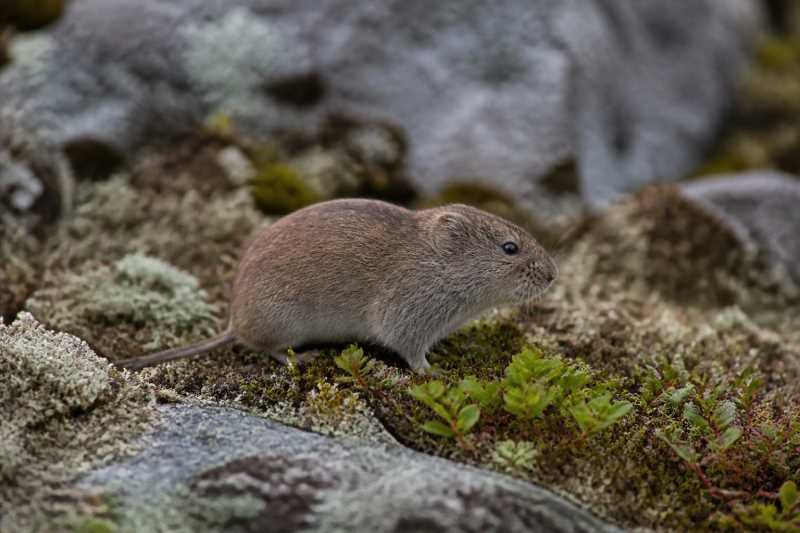
The Lemming Mountain Vole is a small, robust rodent with a body length ranging from 9 to 12 centimeters, and a tail length of about 2 to 3 centimeters. Its weight varies between 30 and 50 grams. The vole’s fur is dense and soft, providing insulation against the cold temperatures of its habitat. Its coloration is typically grayish-brown on the dorsal side, with a lighter, almost white underbelly. The ears are small and rounded, while the eyes are relatively large, adaptations that are advantageous for detecting predators and navigating in dim light. The limbs are short but strong, designed for digging and maneuvering through rocky terrains.
Range and Habitat
The Lemming Mountain Vole is primarily found in the mountainous regions of Central Asia, including the Altai and Sayan ranges. Its habitat extends across parts of Russia, Mongolia, and northern China. This vole favors high-altitude environments characterized by rocky outcrops, alpine meadows, and tundra regions. It typically resides at elevations of 1,500 to 4,000 meters, where it exploits the crevices and boulders to create burrows. The harsh climate of these regions necessitates a lifestyle adapted to extreme cold and variable food availability.
Behavior and Diet
The Lemming Mountain Vole is primarily nocturnal, with peak activity periods during dusk and dawn. It exhibits solitary behavior, although it may be seen in small groups during the breeding season. These voles are proficient burrowers, creating extensive networks of tunnels that provide shelter and storage for food.
Their diet consists mainly of grasses, sedges, and other herbaceous plants, supplemented by seeds and occasionally insects. During the short summer season, they gather and store food in their burrows to sustain themselves through the winter months when vegetation is scarce. This food caching behavior is crucial for their survival in the alpine environment.
Identification Tips (Field Recognition Cues)
Identifying the Lemming Mountain Vole in the field requires keen observation of several key features:
- Size and Shape: Look for a small, plump rodent with a short tail and rounded ears.
- Fur Coloration: Note the grayish-brown dorsal fur and lighter underbelly, which help blend into the rocky and snowy backgrounds.
- Behavior: Observe any burrowing activity or movement among rocks during dawn or dusk.
- Habitat: Confirm sightings in high-altitude, rocky terrains where these voles are most commonly found.
Conservation Status (with Threats and Protections)
As of the latest assessments, the Lemming Mountain Vole is classified as a species of Least Concern by the International Union for Conservation of Nature (IUCN). This status is due to its wide distribution and presumably large population. However, there are several threats that could impact its future survival:
- Climate Change: Rising temperatures and changing precipitation patterns could alter the vole’s habitat, affecting food availability and increasing competition.
- Human Encroachment: Expansion of agriculture and infrastructure development can lead to habitat fragmentation.
- Predation Pressure: Natural predators such as owls, foxes, and weasels pose a constant threat, although this is a natural aspect of their ecological role.
Conservation efforts should focus on monitoring population trends and habitat conditions to ensure that this species continues to thrive in its natural environment.
Frequently Asked Questions
What is the primary diet of the Lemming Mountain Vole?
The primary diet of the Lemming Mountain Vole consists of grasses, sedges, and other herbaceous plants. They also consume seeds and, occasionally, insects.
Where can the Lemming Mountain Vole be found?
The Lemming Mountain Vole is found in the mountainous regions of Central Asia, particularly in the Altai and Sayan ranges, across parts of Russia, Mongolia, and northern China.
How does climate change affect the Lemming Mountain Vole?
Climate change poses a threat to the Lemming Mountain Vole by potentially altering its habitat due to rising temperatures and changes in precipitation patterns, which may affect food availability and increase competition.
What are the identifying features of the Lemming Mountain Vole?
Key identifying features include its small size, plump body, short tail, rounded ears, grayish-brown dorsal fur, and lighter underbelly.
Are Lemming Mountain Voles endangered?
Currently, the Lemming Mountain Vole is classified as Least Concern, but it faces threats from climate change and habitat fragmentation, necessitating ongoing monitoring and conservation efforts.
Related posts