Donaldson Smith’s Nightjar: A Glimpse into the Life of a Nocturnal Avian Enigma
In the bustling world of ornithology, few birds capture the intrigue and mystique of Donaldson Smith’s Nightjar (Caprimulgus donaldsoni). Named after the prominent explorer Donaldson Smith, this elusive species of nightjar is a master of disguise and a marvel of adaptation, thriving in the twilight hours when most creatures retreat into slumber. This article delves into the fascinating life of Donaldson Smith’s Nightjar, exploring its habitat, behavior, and the conservation efforts crucial for its survival.
Habitat and Distribution
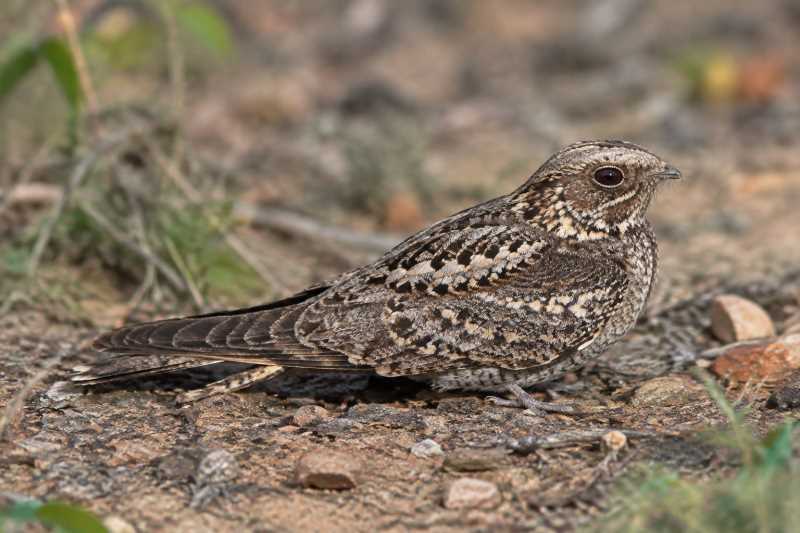
Donaldson Smith’s Nightjar is predominantly found in the arid and semi-arid regions of northeastern Africa, with its range extending across countries like Ethiopia, Somalia, and northern Kenya. These regions, characterized by sparse vegetation and rugged terrain, offer the perfect camouflage for the nightjar. The bird’s plumage, a mottled blend of browns, grays, and blacks, mimics the sandy and stony ground, rendering it nearly invisible during daylight hours.
This nightjar favors open landscapes such as savannas, scrublands, and dry riverbeds, where its nocturnal lifestyle can unfold without interruption. The scarcity of dense foliage in these areas aligns with the species’ ground-nesting habits, allowing it to blend seamlessly into its surroundings and evade predators.
Behavior and Diet
As a crepuscular and nocturnal bird, Donaldson Smith’s Nightjar is most active during the dusk and dawn hours. Its behavior is characterized by a remarkable stillness during the day, remaining motionless and relying on its cryptic plumage to avoid detection. When night falls, the bird comes to life, embarking on aerial forays to hunt insects, which constitute the bulk of its diet.
The nightjar’s hunting technique is a spectacle of precision and agility. It employs a sit-and-wait strategy, perching quietly before launching into flight to snatch prey mid-air with its wide, gaping mouth. Moths, beetles, and other flying insects are primary targets, attracted to the nightjar’s habitat by the moonlight.
Vocalizations play a crucial role in the nightjar’s nocturnal activities. Males are known for their distinctive calls, a series of soft, rhythmic notes that serve both to demarcate territory and attract mates. These vocalizations, coupled with the bird’s silent flight, create an ethereal presence under the cover of darkness.
Breeding and Nesting
Donaldson Smith’s Nightjar engages in a unique breeding ritual that aligns with its secretive nature. The breeding season varies across its range but generally coincides with the onset of the rainy season, when food abundance peaks. Courtship involves aerial displays by the male, who performs acrobatic maneuvers and vocal serenades to woo the female.
Nesting occurs directly on the ground, with the female laying one or two eggs in a shallow scrape. The eggs, like the plumage of their parents, are intricately patterned to blend with the surroundings, providing an added layer of protection from predators. Both parents share incubation duties, relying on their camouflage to shield the nest from prying eyes.
Conservation Status and Challenges
Despite its remarkable adaptations, Donaldson Smith’s Nightjar faces several conservation challenges. Habitat destruction, driven by human activities such as agriculture and urbanization, poses a significant threat. The conversion of land for crop cultivation and infrastructure development reduces the availability of suitable nesting and foraging sites.
Climate change further exacerbates these threats, altering rainfall patterns and impacting insect populations, which are crucial for the nightjar’s survival. Additionally, the bird’s elusive nature makes it difficult to study, hindering effective conservation planning.
Conservation efforts are essential to safeguard the future of Donaldson Smith’s Nightjar. Protecting key habitats through the establishment of reserves and promoting sustainable land-use practices are vital strategies. Furthermore, raising awareness about the species and its ecological importance can foster community involvement in conservation initiatives.
Conclusion
Donaldson Smith’s Nightjar is a testament to the wonders of nocturnal avian life. Its ability to thrive in the harsh, arid landscapes of northeastern Africa is a tribute to its evolutionary prowess. As we continue to unravel the mysteries of this enigmatic bird, it is imperative that we also work towards preserving the delicate ecosystems that sustain it. Through dedicated conservation efforts, we can ensure that the haunting calls of Donaldson Smith’s Nightjar continue to grace the night skies for generations to come.
Related posts