Langbian Tree Rat: A Comprehensive Guide to Chiromyscus langbianis
Introduction
The Langbian Tree Rat, scientifically known as Chiromyscus langbianis, is a fascinating and relatively lesser-known rodent species. This unique mammal is primarily found in Southeast Asia, particularly in regions with abundant forest cover. Despite its elusive nature, the Langbian Tree Rat plays an essential role in its ecosystem, contributing to seed dispersal and forest ecology. This article provides a comprehensive overview of the Langbian Tree Rat, focusing on its physical characteristics, habitat, behaviors, and conservation status.
Physical Description
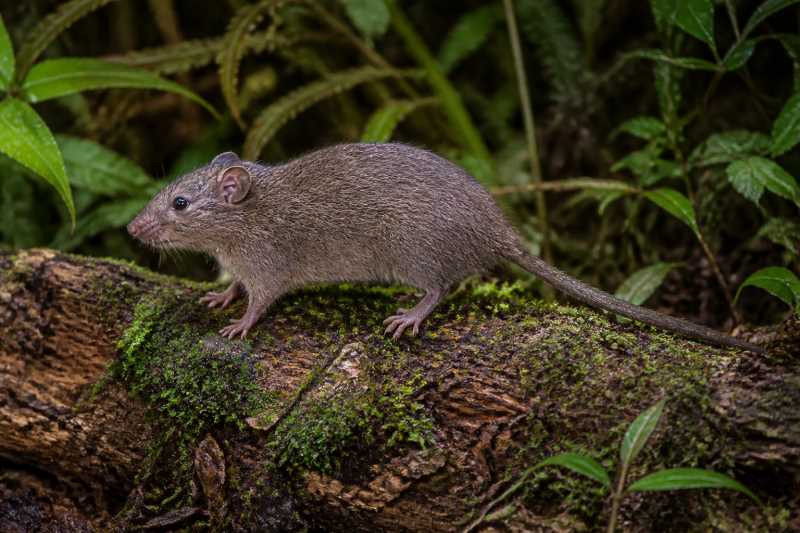
The Langbian Tree Rat is a medium-sized rodent with distinct physical features that set it apart from other species in its family. Typically, these rats measure around 20 to 25 centimeters in body length, with a tail that is often longer than their body, reaching up to 30 centimeters. Their fur is soft and dense, predominantly brown or gray, which provides excellent camouflage in their arboreal habitat.
One of the most striking features of the Langbian Tree Rat is its large, round eyes, which are well-adapted for night vision. This adaptation is crucial for its nocturnal lifestyle. The ears are moderately large and rounded, aiding in acute hearing—a necessary trait for detecting predators and other threats in the wild.
Their feet are equipped with sharp claws, enabling them to climb trees with agility and precision. The tail, while long, is not prehensile but aids in balance as the rat navigates through the forest canopy.
Range and Habitat
The Langbian Tree Rat is primarily found in Southeast Asia, with its range extending across Vietnam, Laos, and parts of southern China. These rodents are typically associated with tropical and subtropical forests, where they can be found at varying altitudes, from lowland rainforests to montane forests.
Their preferred habitat is dense, humid forests with abundant tree cover, which provides both food and protection from predators. The Langbian Tree Rat is an agile climber, spending most of its life in the trees, where it can find refuge and sustenance.
Behavior and Diet
Langbian Tree Rats are predominantly nocturnal, which means they are most active during the night. This nocturnal behavior helps them avoid many of their natural predators, such as birds of prey and larger mammals.
Their diet primarily consists of fruits, seeds, and leaves, making them an essential part of their ecosystem as seed dispersers. Occasionally, they may also consume small insects or other invertebrates, supplementing their primarily herbivorous diet.
These rats are solitary creatures, coming together only for mating purposes. Little is known about their breeding habits, but it is believed that, like many rodents, they have a relatively high reproductive rate, which helps maintain their population despite predation and environmental pressures.
Identification Tips
Identifying the Langbian Tree Rat in the field can be challenging due to its elusive nature and nocturnal habits. However, several key features can assist in proper identification:
- Size and Build: Look for a medium-sized rodent with a body length of 20 to 25 centimeters and a tail longer than the body.
- Fur and Coloration: Note the soft, dense fur that is usually brown or gray, providing camouflage in the forest.
- Eyes and Ears: Large, round eyes and moderately large, rounded ears are characteristic of this species.
- Habitat: They are typically found in dense, humid forests, often at varying altitudes.
- Behavior: Active at night and usually seen climbing or nestled in trees.
Conservation Status
The conservation status of the Langbian Tree Rat is currently listed as "Data Deficient" by the International Union for Conservation of Nature (IUCN). This designation highlights the lack of sufficient information to make a precise assessment of its population trends and threats.
Threats
The primary threats to the Langbian Tree Rat include habitat loss and fragmentation due to deforestation and land conversion for agriculture and urban development. Additionally, illegal logging and mining activities further exacerbate habitat destruction.
Protections
Efforts to protect the Langbian Tree Rat include habitat preservation and the establishment of protected areas to conserve the remaining forest ecosystems in Southeast Asia. Continued research and monitoring are essential to better understand the species and implement effective conservation strategies.
Frequently Asked Questions
What is the Langbian Tree Rat’s preferred habitat?
The Langbian Tree Rat thrives in dense, humid forests, primarily in Southeast Asia. It prefers areas with abundant trees, which provide both food and protection.
How does the Langbian Tree Rat contribute to its ecosystem?
As a seed disperser, the Langbian Tree Rat plays a crucial role in maintaining forest ecology. By consuming and dispersing seeds, it helps promote plant diversity and forest regeneration.
Are Langbian Tree Rats endangered?
Currently, the Langbian Tree Rat is listed as "Data Deficient" by the IUCN due to insufficient data on its population trends and threats. However, habitat loss poses a significant threat to its survival.
How can I identify a Langbian Tree Rat in the wild?
Look for a medium-sized rodent with brown or gray fur, large eyes, and a long tail. They are primarily nocturnal and found in dense forest habitats.
What measures are being taken to conserve the Langbian Tree Rat?
Conservation efforts focus on habitat preservation, research, and establishing protected areas to safeguard their natural environment in Southeast Asia.
Related posts