Introduction
The Orange Diamond-faced Bat, scientifically known as Rhinonicteris aurantia, is a fascinating species that inhabits the northern regions of Australia. These bats are part of the family Hipposideridae and are renowned for their distinct physical characteristics and unique ecological role. They are a crucial component of their ecosystem, contributing to insect population control and serving as indicators of environmental health.
In this article, we will explore detailed aspects of the Orange Diamond-faced Bat, including its physical description, habitat, behavior, diet, and conservation status. Additionally, we will provide field recognition tips and address some frequently asked questions regarding this intriguing mammal.
Physical Description
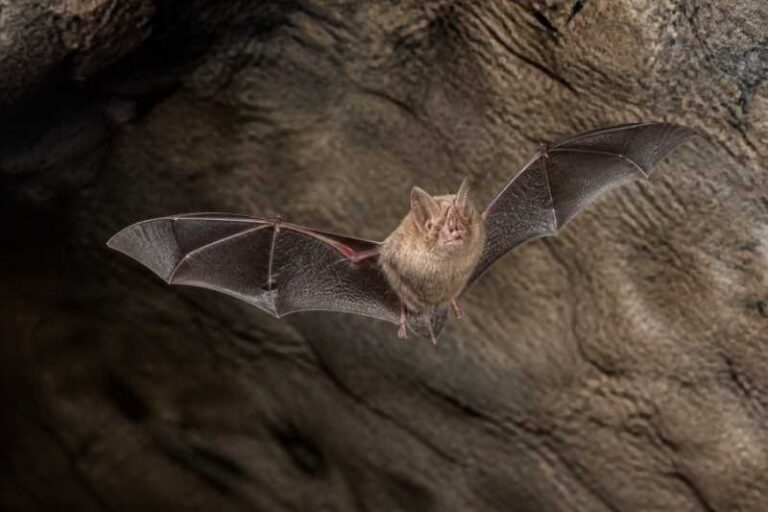
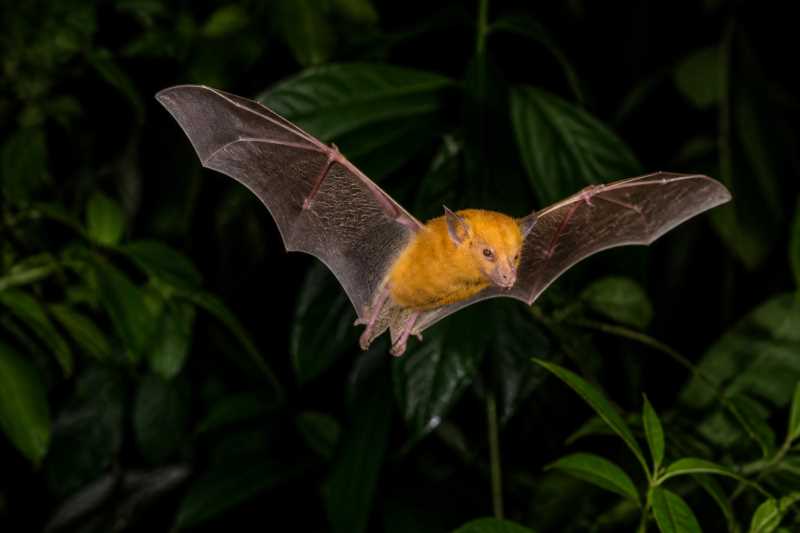
The Orange Diamond-faced Bat is a small to medium-sized bat, with a wingspan ranging from 30 to 35 centimeters. It weighs between 8 and 10 grams, making it a relatively lightweight member of the bat community. The most striking feature of this species is its orange to reddish-brown fur, which covers most of its body, giving it a distinctive appearance. The fur is dense and soft, providing insulation and aiding in camouflage among the foliage.
One of the most remarkable features of the Orange Diamond-faced Bat is its facial structure. It possesses a diamond-shaped nose-leaf, which is a specialized structure that aids in echolocation. This unique adaptation allows the bat to navigate and hunt efficiently in the dark. The ears of the Orange Diamond-faced Bat are relatively large and rounded, enhancing its auditory capabilities.
Range and Habitat
The Orange Diamond-faced Bat is endemic to Australia, primarily found in the northern regions, including parts of Western Australia, the Northern Territory, and Queensland. They inhabit a variety of ecosystems, ranging from tropical rainforests to arid savannahs. These bats are highly adaptable and can thrive in diverse environments, provided there are suitable roosting sites and abundant food supplies.
Roosting sites are crucial for the survival of the Orange Diamond-faced Bat. They prefer to roost in caves, mines, and rock crevices, where they can find shelter from predators and extreme weather conditions. The presence of water bodies nearby is also essential, as it supports the insect populations that serve as their primary food source.
Behavior and Diet
The Orange Diamond-faced Bat is primarily nocturnal, emerging from its roost at dusk to forage for food. These bats are insectivorous, feeding on a wide variety of insects, including moths, beetles, and flies. They use echolocation to locate and capture their prey, emitting high-frequency sounds that bounce off objects and return to the bat’s sensitive ears, allowing them to create a mental map of their surroundings.
Socially, the Orange Diamond-faced Bat is known to form small colonies, often consisting of a few dozen individuals. These colonies provide safety in numbers, reducing the risk of predation. The bats communicate with each other using a series of clicks and calls, which also play a role in social bonding and coordination during foraging.
Identification Tips (Field Recognition Cues)
Identifying the Orange Diamond-faced Bat in the field requires careful observation of its physical and behavioral traits. Here are some key recognition cues:
- Color: Look for the distinctive orange to reddish-brown fur, which is a primary identifier of this species.
- Facial Structure: Note the unique diamond-shaped nose-leaf, which is crucial for echolocation.
- Size: Observe the bat’s size, with a wingspan of 30-35 cm, which can help distinguish it from other bat species.
- Habitat: Consider the location and environment. These bats are typically found in northern Australia, roosting in caves or rock crevices.
- Behavior: Watch for nocturnal activity and group foraging behavior, which are characteristic of the Orange Diamond-faced Bat.
Conservation Status (with Threats and Protections)
Currently, the Orange Diamond-faced Bat is listed as a species of least concern on the IUCN Red List. However, like many wildlife species, it faces several threats that could impact its population in the future. Habitat destruction due to land development and mining is a significant concern, as it reduces the availability of suitable roosting sites and foraging areas.
Climate change also poses a threat, potentially altering the distribution of insect populations and affecting the bat’s food supply. Additionally, human disturbance in roosting areas can lead to stress and displacement of bat colonies.
To protect the Orange Diamond-faced Bat, conservation efforts focus on preserving natural habitats and promoting awareness of the species’ ecological importance. Protected areas and national parks offer safe havens for these bats, and ongoing research aims to monitor population trends and address potential threats.
Frequently Asked Questions
1. What does the Orange Diamond-faced Bat eat?
The Orange Diamond-faced Bat primarily feeds on insects such as moths, beetles, and flies. It uses echolocation to hunt and capture its prey effectively.
2. Where can I find the Orange Diamond-faced Bat?
This bat species is native to northern Australia, commonly found in regions like Western Australia, the Northern Territory, and Queensland. They prefer to roost in caves, mines, and rock crevices.
3. How does the Orange Diamond-faced Bat use echolocation?
The bat emits high-frequency sounds through its nose-leaf, which bounce off objects and return as echoes. This process helps the bat navigate and detect prey in the dark.
4. What threats do Orange Diamond-faced Bats face?
The primary threats include habitat destruction due to land development, climate change, and human disturbance in their roosting sites. Conservation efforts aim to mitigate these threats.
5. Are Orange Diamond-faced Bats social animals?
Yes, they are social animals that form small colonies. These social structures help reduce predation risk and facilitate coordinated foraging.
Related posts