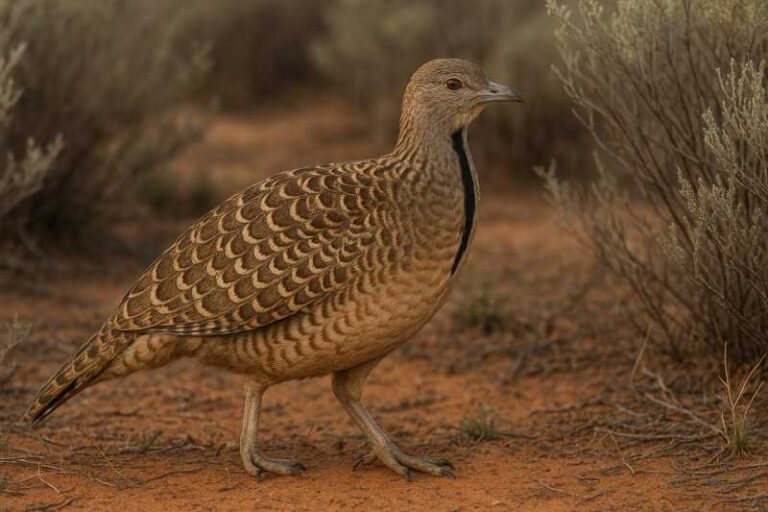
Sclater’s Monal: A Glimpse into the Majestic Avian Jewel of the Himalayas
In the lofty altitudes of the Eastern Himalayas resides a bird of extraordinary beauty and ecological significance—the Sclater’s Monal (Lophophorus sclateri). Known for its shimmering plumage and elusive nature, this bird is a symbol of the rich biodiversity found in one of the world’s most breathtaking mountain ranges. Named after the renowned British ornithologist Philip Lutley Sclater, Sclater’s Monal stands out not only for its striking appearance but also for its role in the delicate ecological fabric of its habitat.
Habitat and Distribution
Sclater’s Monal is primarily found in the high-altitude forests and alpine meadows of the Eastern Himalayas, particularly in regions of India, Bhutan, and parts of Tibet. These birds inhabit altitudes ranging from 2,500 to 4,500 meters, where the rugged terrain and dense vegetation provide both food and protection. Their preference for such inhospitable environments speaks to their adaptability and resilience.
The distribution of Sclater’s Monal is notably patchy, reflecting the fragmented nature of their forested habitats. This distribution pattern is influenced by factors such as deforestation, climate change, and human encroachment, which pose significant threats to their survival.
Physical Characteristics
Sclater’s Monal is a member of the pheasant family, a group renowned for its vibrant and diverse plumage. The males of the species are particularly resplendent, featuring iridescent feathers that shift in hue from coppery bronzes to electric blues and purples. This dazzling display is complemented by a striking white rump and a greenish-black crest on the head. Females, while less ostentatious, possess a subtle beauty with their mottled brown plumage that provides excellent camouflage in their forested surroundings.
The bird’s robust body, strong legs, and short tail are well-suited to navigating the rocky and uneven terrain of their mountain home. Their powerful beak and claws also play a crucial role in foraging for food, which consists mainly of roots, tubers, seeds, and insects.
Behavior and Ecology
Sclater’s Monals are generally shy and elusive, making them a challenge to observe in the wild. They are ground-dwelling birds, spending much of their time foraging on the forest floor. Despite their size, they are capable of short bursts of flight, which they utilize to escape predators or reach roosting sites.
During the breeding season, which occurs from April to June, males engage in elaborate courtship displays to attract females. These displays involve a combination of vocal calls and ritualistic postures that highlight their iridescent plumage. Once a pair bonds, the female lays a clutch of 3-5 eggs, which she incubates in a well-hidden nest on the ground.
Conservation Status
The International Union for Conservation of Nature (IUCN) currently classifies Sclater’s Monal as "Near Threatened." This designation reflects the growing pressures on their habitats, primarily from deforestation and habitat fragmentation. Conservation efforts are focused on habitat protection and restoration, as well as community engagement to promote sustainable land-use practices.
In regions like Arunachal Pradesh in India and Bhutan, conservation programs have been implemented to monitor population trends and mitigate threats. These initiatives often involve local communities, who play a vital role in preserving the natural landscapes that Sclater’s Monal and countless other species call home.
Cultural Significance
Sclater’s Monal holds a special place in the cultures of the Himalayan peoples. Often considered a symbol of beauty and grace, it features in local folklore and traditions. Its presence in the region’s ecosystem is also a reminder of the interconnectedness of all life forms and the importance of preserving biodiversity.
Conclusion
Sclater’s Monal is more than just a bird of stunning beauty; it is an integral part of the Eastern Himalayan ecosystem. Protecting this species requires a concerted effort from conservationists, local communities, and governments alike. By understanding and appreciating the ecological and cultural importance of Sclater’s Monal, we can work towards ensuring its survival for future generations to admire and cherish.
Related posts