Introduction
The Obi Island Mosaic-tailed Rat, scientifically known as Melomys obiensis, is a fascinating and relatively lesser-known rodent species that occupies a unique niche in the biodiversity of Southeast Asia. This mammal, characterized by its distinctive tail and adaptable nature, is native to the Obi Islands in Indonesia. As a part of the Melomys genus, this species is related to other mosaic-tailed rats found throughout the region. Understanding the Obi Island Mosaic-tailed Rat not only contributes to our knowledge of rodent biodiversity but also emphasizes the importance of conservation efforts in this ecologically rich area.
Physical Description
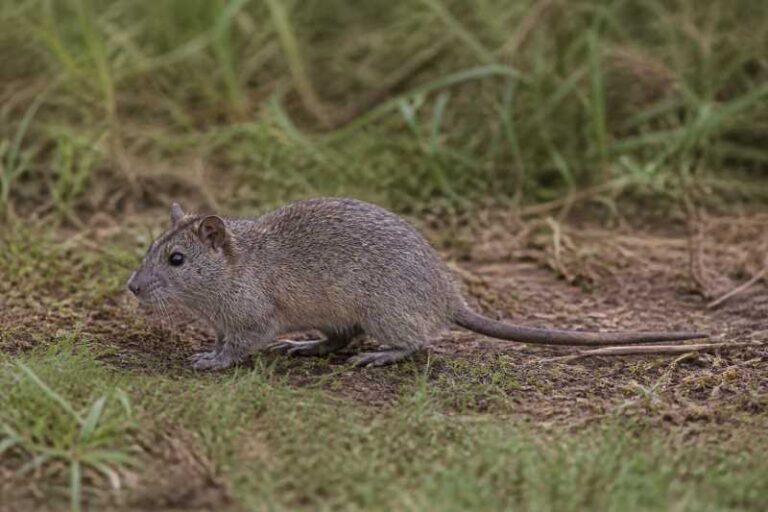
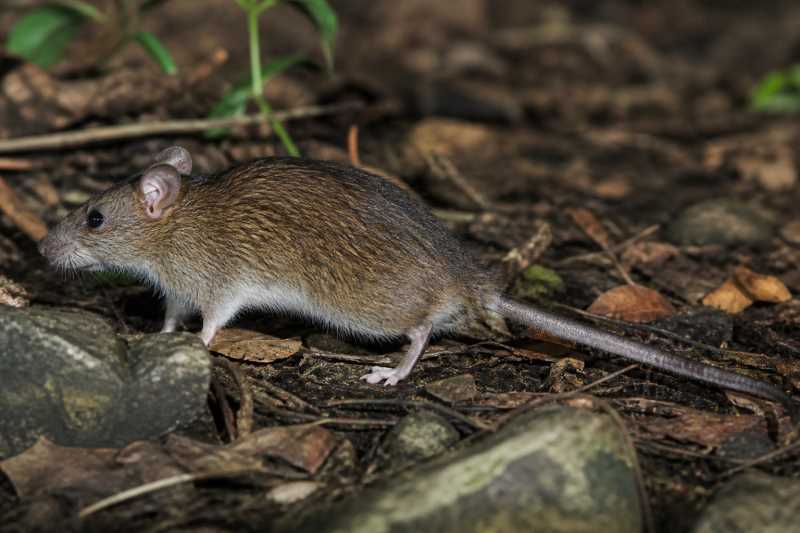
The Obi Island Mosaic-tailed Rat is a medium-sized rodent with a robust body, typically measuring between 20 to 30 centimeters in length, excluding the tail. Its most striking feature is its mosaic-patterned tail, which is hairless and covered with overlapping scales that give it a unique appearance. This tail is not only a distinguishing characteristic but also serves as a tool for maintaining balance and navigating through its arboreal habitat.
The fur of the Obi Island Mosaic-tailed Rat is generally a soft, brownish color, providing effective camouflage among the forest floor and vegetation. The underbelly is lighter, often a creamy white or pale gray. Its ears are rounded and prominent, aiding in acute auditory perception which is crucial for detecting predators. The rodent’s eyes are relatively large, indicating its nocturnal lifestyle, and its sharp claws are adapted for climbing.
Range and Habitat
The Obi Island Mosaic-tailed Rat is endemic to the Obi Islands, which are part of the North Maluku province in Indonesia. This island group is located in the eastern part of the Indonesian archipelago and is characterized by a tropical climate with lush rainforests, providing an ideal habitat for this species.
The habitat of the Obi Island Mosaic-tailed Rat includes lowland tropical rainforests, where it occupies both primary and secondary forests. The dense vegetation and rich biodiversity of these forests offer ample food resources and shelter. The species is highly arboreal, spending much of its time in the trees, which provides protection from ground-dwelling predators and access to a wide range of fruits and seeds.
Behavior and Diet
As a nocturnal species, the Obi Island Mosaic-tailed Rat is most active during the night. This behavior helps it avoid many of the diurnal predators that inhabit its environment. It is primarily solitary, though it may sometimes be observed in small family groups.
The diet of the Obi Island Mosaic-tailed Rat consists mainly of seeds, fruits, and leaves, reflecting its adaptation to a forest environment. It plays a vital role in seed dispersion, which is crucial for forest regeneration. Occasionally, it may also consume small insects or other invertebrates, providing a source of protein.
Identification Tips (Field Recognition Cues)
For researchers and enthusiasts looking to identify the Obi Island Mosaic-tailed Rat in the field, several cues can be helpful:
- Tail: Look for the distinctive mosaic-patterned tail, which is hairless and covered with overlapping scales.
- Size: Observe the medium body size, typically between 20 to 30 centimeters in length, excluding the tail.
- Fur Color: Note the soft, brownish fur with a lighter underbelly.
- Ears and Eyes: The rounded ears and large eyes are indicative of its nocturnal lifestyle.
Conservation Status (with Threats and Protections)
Currently, the conservation status of the Obi Island Mosaic-tailed Rat is not well-documented, largely due to the lack of comprehensive studies. However, like many island species, it potentially faces threats from habitat destruction and fragmentation, primarily due to logging and agricultural expansion.
The introduction of invasive species poses another significant threat, as non-native predators and competitors can disrupt the ecological balance. Conservation efforts are essential to protect the natural habitat of the Obi Islands and ensure the survival of this unique species.
Efforts to conserve the Obi Island Mosaic-tailed Rat include habitat preservation initiatives and environmental awareness campaigns aimed at highlighting the importance of biodiversity in the region. Protecting the Obi Islands’ forests not only benefits this particular species but also preserves the broader ecosystem.
Frequently Asked Questions
1. What is the natural habitat of the Obi Island Mosaic-tailed Rat?
The Obi Island Mosaic-tailed Rat is native to the Obi Islands in Indonesia, where it inhabits lowland tropical rainforests. These forests provide a rich ecosystem with abundant food resources and shelter, crucial for the species’ survival.
2. How can you identify the Obi Island Mosaic-tailed Rat in the wild?
Key identification features include its mosaic-patterned tail, medium size, soft brownish fur, and rounded ears. Its large eyes are also a distinctive feature, adapted for its nocturnal lifestyle.
3. What threats does the Obi Island Mosaic-tailed Rat face?
The primary threats include habitat destruction due to logging and agriculture, as well as the introduction of invasive species. Conservation efforts focus on habitat preservation and raising awareness about the species.
4. Is the Obi Island Mosaic-tailed Rat a common species?
Due to its limited range on the Obi Islands, it is not considered a common species. Its population status is not well-documented, highlighting the need for further research and conservation efforts.
5. What role does the Obi Island Mosaic-tailed Rat play in its ecosystem?
This species plays a crucial role in seed dispersion, aiding in forest regeneration and maintaining the ecological balance of its habitat.
Related posts