Introduction
The Yucatán Vesper Rat, scientifically known as Otonyctomys hatti, is a fascinating yet lesser-known mammal species native to the Yucatán Peninsula. Belonging to the family Cricetidae, this elusive rodent is an integral part of the ecosystem, contributing to seed dispersal and serving as prey for various predators. Despite its significance, the Yucatán Vesper Rat remains understudied, largely due to its secretive nature and limited geographic range. This article aims to shed light on this intriguing species by exploring its physical characteristics, habitat, behavior, and conservation status.
Physical Description
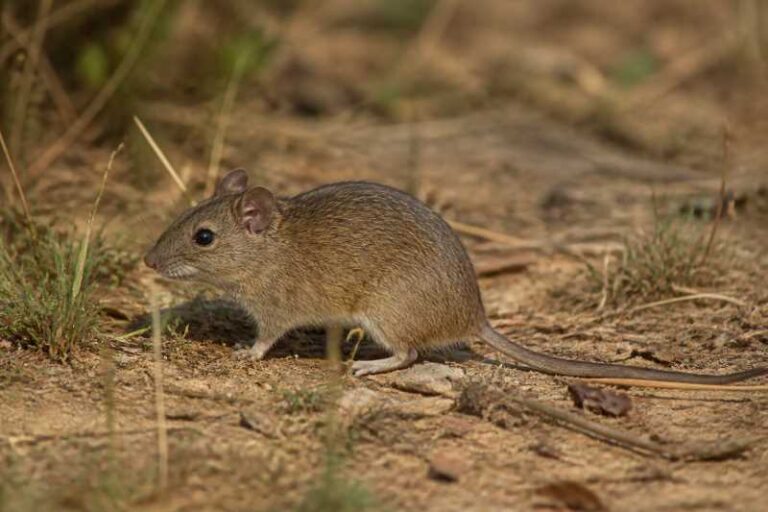
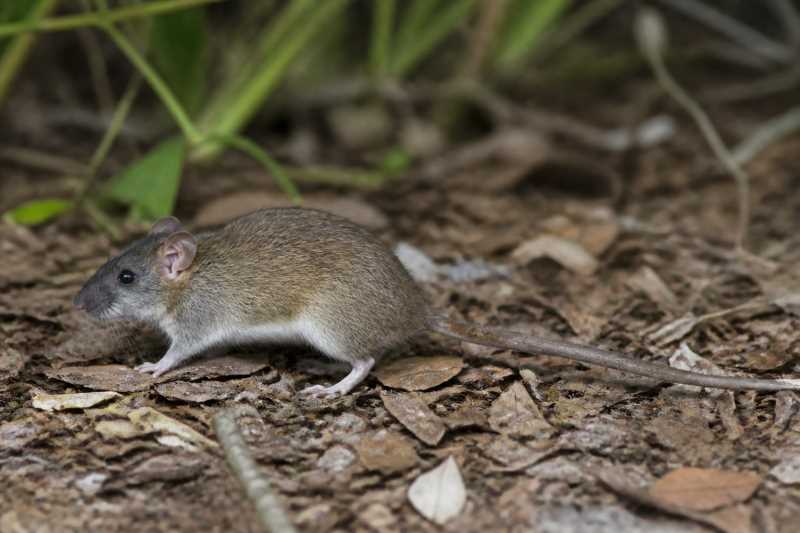
The Yucatán Vesper Rat is a small to medium-sized rodent, measuring approximately 12 to 15 centimeters in body length, with a tail that adds an additional 10 to 14 centimeters. It typically weighs between 30 to 50 grams. The species is characterized by its soft, dense fur, which is primarily grayish-brown on the dorsal side and paler on the ventral side. Its ears are relatively large and rounded, an adaptation that enhances its auditory capabilities, crucial for nocturnal life.
The Yucatán Vesper Rat’s eyes are notably large and prominent, providing excellent night vision. Its whiskers are long and sensitive, aiding in navigation and foraging in the dark. The tail, covered with fine hair, is prehensile and assists in balance and climbing within its arboreal habitat.
Range and Habitat
The Yucatán Vesper Rat is endemic to the Yucatán Peninsula, which encompasses parts of Mexico, Belize, and Guatemala. It predominantly inhabits lowland forests, including both primary and secondary growth forests. The species shows a preference for moist, tropical environments with ample undergrowth, which provides cover from predators and a rich source of food.
Within this ecosystem, the Yucatán Vesper Rat is mainly arboreal, residing in the canopy and sub-canopy layers of the forest. It is known to utilize tree hollows, leaf litter, and dense foliage for nesting and shelter. The species’ distribution is closely tied to the availability of its preferred habitat, making it vulnerable to deforestation and habitat fragmentation.
Behavior and Diet
Primarily nocturnal, the Yucatán Vesper Rat is most active during the night, engaging in foraging and social interactions. Its diet is omnivorous, consisting of a variety of seeds, fruits, leaves, and insects. This dietary flexibility allows the species to adapt to seasonal changes in food availability.
The Yucatán Vesper Rat is also known for its solitary and territorial nature. Individuals typically mark their territory using scent glands and vocalizations to ward off intruders. Breeding occurs throughout the year, with females producing litters of two to four offspring after a gestation period of approximately 30 days. The young are altricial, requiring extensive parental care before becoming independent.
Identification Tips
Field identification of the Yucatán Vesper Rat can be challenging due to its nocturnal habits and elusive nature. However, certain cues can aid in recognition:
- Size and Shape: Look for a small to medium-sized rodent with a long tail and large ears.
- Fur Color: Note the grayish-brown dorsal fur and paler underbelly.
- Behavior: Observe nocturnal activity patterns and arboreal movements.
- Habitat: Consider the likelihood of encountering this species in lowland tropical forests.
Conservation Status
The conservation status of the Yucatán Vesper Rat is currently classified as "Least Concern" by the IUCN Red List. However, its population is suspected to be declining due to ongoing habitat loss and fragmentation. Deforestation for agriculture, urban development, and logging poses significant threats to its habitat.
Conservation efforts focus on habitat preservation and restoration, as well as raising awareness about the species’ ecological role. Protected areas within the Yucatán Peninsula provide some refuge, but continued conservation measures are crucial to ensure the survival of this unique rodent.
Frequently Asked Questions
1. What is the natural habitat of the Yucatán Vesper Rat?
The Yucatán Vesper Rat resides primarily in lowland tropical forests of the Yucatán Peninsula. These environments provide the necessary cover and food resources for their survival.
2. How does the Yucatán Vesper Rat contribute to its ecosystem?
This species plays a vital role in seed dispersal and serves as prey for various predators, thus maintaining ecological balance within its habitat.
3. What are the primary threats to the Yucatán Vesper Rat?
The main threats include habitat destruction and fragmentation due to agricultural expansion, logging, and urban development.
4. How can I identify a Yucatán Vesper Rat in the wild?
Identifying this species involves looking for its distinctive features: grayish-brown fur, large ears, and a prehensile tail, often seen in arboreal settings at night.
5. What conservation measures are in place for the Yucatán Vesper Rat?
Conservation efforts include habitat protection, legal protections in certain regions, and initiatives to raise public awareness about the species and its ecological importance.
Related posts