Introduction
The Snake River Plains Ground Squirrel, scientifically known as Urocitellus idahoensis, is a fascinating rodent species endemic to the Snake River Plain in the northwestern United States. This small mammal has intrigued researchers and nature enthusiasts alike with its unique adaptations and behaviors that allow it to thrive in the semi-arid environments of Idaho. Understanding this species not only enriches our knowledge of biodiversity but also highlights the importance of conserving its habitat amid environmental changes.
Physical Description
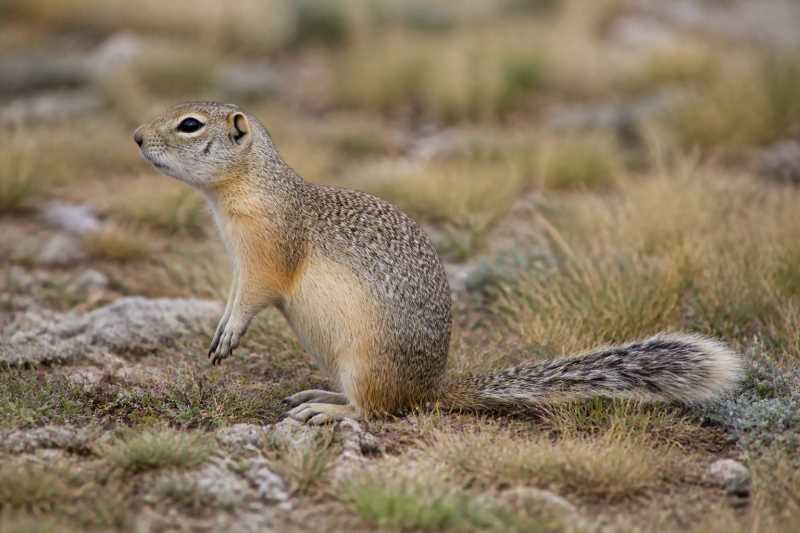
The Snake River Plains Ground Squirrel is a small, burrowing mammal characterized by its slender body and short limbs. Adults typically measure between 20 to 25 centimeters in length, including the tail, which contributes to about a quarter of their total length. The fur of this species is generally a mottled grayish-brown, providing excellent camouflage against the dry, rocky soils of its native habitat.
Their underparts are usually a lighter hue, often a pale cream or white, which can aid in thermoregulation by reflecting heat. The eyes are relatively large, an adaptation for spotting predators in open landscapes, and are surrounded by a distinctive white ring. The species also possesses strong, clawed forelimbs designed for digging extensive burrow systems, which are vital for their survival.
Range and Habitat
The Snake River Plains Ground Squirrel is primarily found in the Snake River Plain, a geologically significant region stretching across southern Idaho. This area is characterized by its volcanic soil, sagebrush grasslands, and sparse vegetation, making it a challenging environment for wildlife.
These ground squirrels favor areas with loose, sandy soil that facilitates burrowing and constructing underground nests. Their burrows provide protection from predators, harsh weather, and are crucial for rearing young. The surrounding sagebrush and grasses offer both food and cover, although this habitat is increasingly under threat from agricultural expansion and human development.
Behavior and Diet
Snake River Plains Ground Squirrels are diurnal creatures, most active during the cooler parts of the day such as early morning and late afternoon. They are primarily herbivorous, feeding on a variety of seeds, grasses, and forbs that are abundant in their native habitat. Seasonal changes significantly influence their diet, as they consume more seeds and grains in the fall to build fat reserves for hibernation.
Social behavior in these squirrels is quite complex; they often live in colonies that can range from a few individuals to several hundred. These colonies facilitate better detection of predators such as birds of prey and snakes. Communication within the group is maintained through a series of vocalizations and tail signals, allowing them to coordinate movements and warn each other of dangers.
Identification Tips (Field Recognition Cues)
Identifying the Snake River Plains Ground Squirrel in the field requires attention to several key characteristics:
- Coloration: Look for the mottled grayish-brown coat, which blends with the dry landscape, and the white ring surrounding their eyes.
- Size: Note their small size, typically under 25 cm in total length.
- Behavior: Observe their foraging behavior and colony living, often seen in groups.
- Habitat: Identify the typical sagebrush and grassland environments they inhabit.
- Vocalizations: Listen for their sharp, chirping calls that are used to alert others of predators.
Conservation Status (with Threats and Protections)
The conservation status of the Snake River Plains Ground Squirrel is of moderate concern, primarily due to habitat loss and degradation. The expansion of agricultural activities, urban development, and conversion of native grasslands to crop fields pose significant threats to their populations. Additionally, climate change impacts, such as altered precipitation patterns, can affect food availability and habitat conditions.
Protection efforts are focused on habitat conservation and management. Organizations are working to preserve large tracts of sagebrush grasslands and promote sustainable land-use practices. Public awareness campaigns are also crucial in educating local communities about the ecological importance of these ground squirrels.
Frequently Asked Questions
What do Snake River Plains Ground Squirrels eat?
Snake River Plains Ground Squirrels primarily eat seeds, grasses, and forbs. Their diet changes seasonally, with a higher intake of seeds and grains in the fall to prepare for hibernation.
Where can I find Snake River Plains Ground Squirrels?
These ground squirrels are found in the Snake River Plain of southern Idaho. They inhabit areas with loose, sandy soils, often in sagebrush and grassland environments.
How do Snake River Plains Ground Squirrels communicate?
They communicate through a series of vocalizations, such as chirps and whistles, and use tail signals to alert each other of potential threats.
What are the main threats to Snake River Plains Ground Squirrels?
The main threats include habitat loss due to agricultural expansion, urban development, and climate change impacts, such as reduced food availability and altered weather patterns.
How can we help conserve Snake River Plains Ground Squirrels?
Conservation efforts include preserving sagebrush habitats, promoting sustainable land use, and increasing public awareness about the species’ ecological role.
Related posts