Introduction
The King Giant Rat, scientifically known as Uromys rex, is a fascinating and unique rodent species native to the Solomon Islands. Despite its somewhat intimidating name, the King Giant Rat is a shy and elusive creature that plays a vital role in its ecosystem. This article delves into the various aspects of this intriguing mammal, including its physical characteristics, habitat, behavior, and conservation status. As the world continues to change, understanding and protecting such species becomes increasingly important.
Physical Description
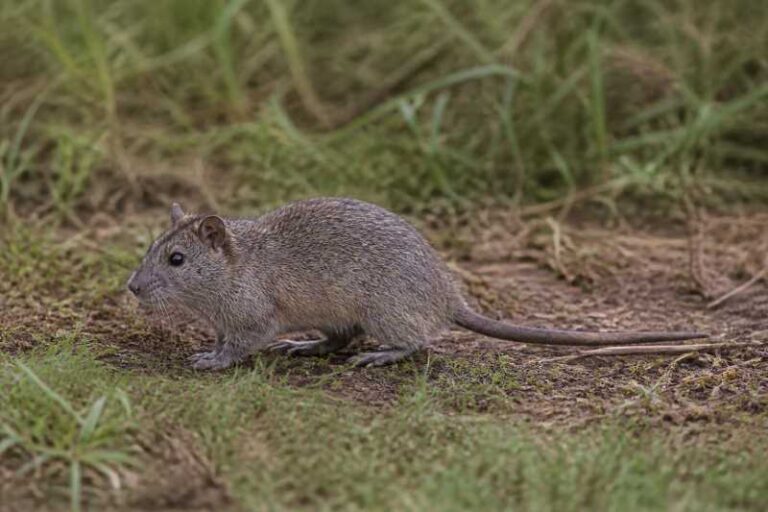
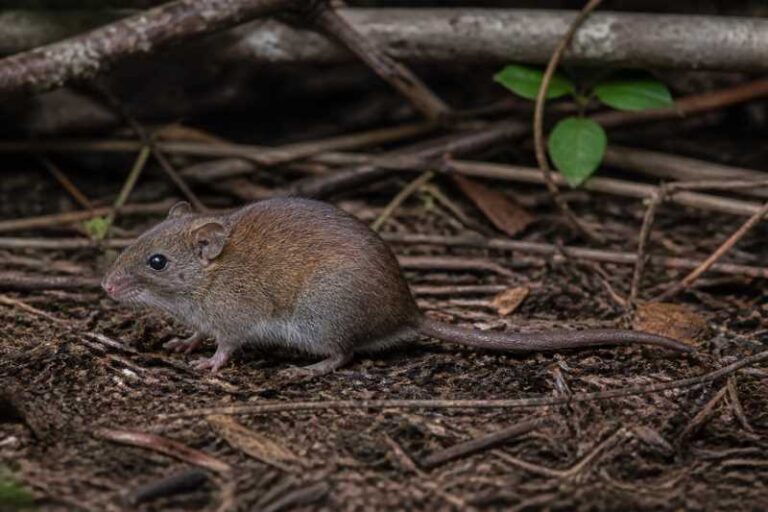
The King Giant Rat is one of the largest species of rats in the world, a fact that contributes to its regal name. Adults typically weigh between 1 and 2 kilograms (2.2 to 4.4 pounds) and measure about 45 to 50 centimeters (17.7 to 19.7 inches) in body length, with a tail that adds an additional 35 to 40 centimeters (13.8 to 15.7 inches). Their fur is dense and coarse, ranging in color from dark brown to black, which provides excellent camouflage in their natural habitat.
Their heads are characterized by a robust build with small, rounded ears and large, black eyes that are well-adapted to low-light conditions. The King Giant Rat’s limbs are strong and muscular, enabling them to navigate the forest floor and climb with ease. Their long, prehensile tails are not only used for balance but also for grasping branches and other objects in their environment.
Range and Habitat
The King Giant Rat is endemic to the Solomon Islands, specifically found on the islands of Guadalcanal and Bougainville. These islands offer the perfect environment for the King Giant Rat, with their dense tropical rainforests providing ample cover and resources. The rats primarily occupy lowland and montane forests, often at elevations ranging from sea level up to 1,000 meters (3,280 feet).
The forests of the Solomon Islands are rich in biodiversity, offering a complex ecosystem where the King Giant Rat can thrive. These environments provide a variety of food sources and nesting sites, critical for the species’ survival. Unfortunately, their habitats are increasingly threatened by human activities such as logging and agriculture, which leads to habitat fragmentation and loss.
Behavior and Diet
The King Giant Rat is primarily nocturnal, spending its nights foraging for food and its days resting in burrows or nests constructed from leaves and other forest materials. These rats are solitary creatures, except during mating season or when a mother is raising her young.
Their diet is omnivorous, consisting of fruits, nuts, seeds, insects, and occasionally small vertebrates. This varied diet allows them to adapt to the seasonal availability of food resources in their environment. Their strong teeth are well-suited for cracking open hard-shelled nuts and seeds, while their keen sense of smell helps them locate food sources in the dense undergrowth.
Identification Tips (field recognition cues)
Identifying the King Giant Rat in the field requires attention to several key characteristics:
- Size and Build: Their large size is a distinguishing feature. Look for a robust body larger than most other rat species in the area.
- Fur and Color: Notice the dense, coarse fur that is typically dark brown or black.
- Tail: A long, prehensile tail that is often used for balance and grasping.
- Behavior: Nocturnal activity patterns; they are more likely to be seen during dusk or night.
- Habitat: Found in dense tropical forests, often near fallen logs or thick understory.
Conservation Status (with threats and protections)
The conservation status of the King Giant Rat is currently listed as Vulnerable by the International Union for Conservation of Nature (IUCN). The primary threats to their survival are habitat destruction and fragmentation due to logging, agriculture, and human settlement expansion. Additionally, introduced predators such as cats and dogs pose a significant threat to their population.
Conservation efforts are underway to protect the remaining habitats of the King Giant Rat. These include the establishment of protected areas and the promotion of sustainable land-use practices. Efforts are also being made to raise awareness among local communities about the importance of preserving this unique species and its habitat.
Frequently Asked Questions
What is the average lifespan of a King Giant Rat?
The King Giant Rat typically has a lifespan of 3 to 5 years in the wild. Their life expectancy can be influenced by several factors, including predation, availability of food, and environmental conditions.
How does the King Giant Rat contribute to its ecosystem?
The King Giant Rat plays a crucial role in seed dispersal, which supports forest regeneration. By foraging on fruits and nuts, they help in spreading seeds across the forest floor, promoting plant diversity and growth.
Are King Giant Rats dangerous to humans?
No, King Giant Rats are not considered dangerous to humans. They are shy and tend to avoid human contact. However, like all wild animals, they should be observed from a distance and not disturbed.
What conservation measures are in place for the King Giant Rat?
Conservation measures include establishing protected areas, habitat restoration projects, and community education programs to raise awareness about the species and the importance of forest conservation.
Can King Giant Rats be kept as pets?
King Giant Rats are wild animals and are not suitable as pets. They have specialized habitat and dietary needs that are difficult to meet in captivity, and keeping them as pets can be detrimental to their well-being.
Related posts