The Dusky-headed Parakeet: A Comprehensive Insight into Aratinga weddellii
The Dusky-headed Parakeet, scientifically known as Aratinga weddellii, is a captivating species of parakeet found in South America. Known for their sociable nature and vibrant displays of intelligence, these birds have captured the interest of ornithologists and avian enthusiasts alike. This article delves into the fascinating world of the Dusky-headed Parakeet, exploring its habitat, behavior, conservation status, and the challenges it faces in the wild.
Habitat and Distribution
The Dusky-headed Parakeet inhabits the tropical and subtropical forests of the Amazon Basin, predominantly in regions of Peru, Ecuador, Brazil, and Bolivia. These parakeets thrive in humid environments, often found in lowland rainforests, secondary forests, and even in areas of forest edge and clearings. Their adaptability allows them to exploit various habitats, including riverine forests and cultivated lands, which contributes to their relatively stable population in the wild.
These parakeets are typically observed in small flocks, although they sometimes form larger groups, particularly during feeding. Their range extends into the lowlands, up to elevations of approximately 1,000 meters, where they enjoy the abundant resources that these diverse ecosystems offer.
Physical Characteristics
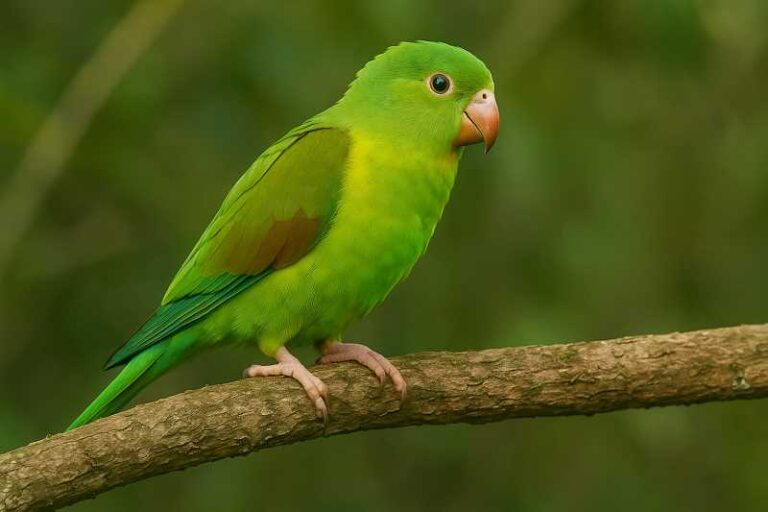
The Dusky-headed Parakeet is a medium-sized bird, measuring approximately 25-28 cm in length. It boasts a predominantly green plumage with a distinctive grayish-brown or dusky head, which gives the bird its common name. The parakeet’s wings and tail are adorned with shades of blue, adding a splash of color to its appearance. Its beak is stout and is well-adapted for cracking seeds and nuts, a staple of its diet.
Juvenile parakeets resemble adults but can be distinguished by their slightly duller plumage and less pronounced head coloration. As social birds, they are known for their playful and inquisitive behavior, often engaging in mutual preening and vocal interactions with their flock mates.
Behavior and Diet
The Dusky-headed Parakeet is an exceptionally social bird, known for its constant chattering and vocalizations. These birds communicate through a series of squawks and calls, which serve to maintain contact with their flock members as they navigate the dense forest canopy. Their vocal repertoire is essential for coordinating group movements and alerting each other to potential threats.
Their diet primarily consists of seeds, fruits, berries, and nuts, which they forage from trees and shrubs. They have also been observed consuming flowers and occasionally insects, supplementing their diet with protein. The parakeet’s strong beak and agile feet are vital tools for accessing food in the treetops.
Reproduction and Lifespan
Dusky-headed Parakeets are monogamous, forming strong pair bonds that last for life. The breeding season typically coincides with the onset of the rainy season, when food resources are abundant. They nest in tree cavities, which they either find or excavate themselves, often in old woodpecker holes.
A typical clutch consists of three to five eggs, which are incubated by the female for about 23-26 days. Both parents share the responsibility of feeding and caring for the chicks, which fledge approximately six to eight weeks after hatching. In the wild, these parakeets can live up to 25 years, although their lifespan is often shorter due to predation and habitat disturbances.
Conservation Status and Threats
The Dusky-headed Parakeet is currently classified as a species of Least Concern by the International Union for Conservation of Nature (IUCN). Despite its wide distribution and stable population, the species faces several threats that could impact its future.
Habitat destruction is the primary concern for these parakeets, as deforestation for agriculture, logging, and urban development continues to encroach on their natural habitats. Additionally, they are sometimes captured for the illegal pet trade, although this is not as prevalent a threat compared to other parrot species.
Conservation efforts are focused on protecting their habitats through the establishment of protected areas and promoting sustainable land-use practices. Education and awareness campaigns are also crucial in reducing illegal trade and encouraging the preservation of these vibrant birds.
Conclusion
The Dusky-headed Parakeet is a remarkable example of avian adaptability and social complexity. Its vibrant presence in the rainforests of South America underscores the vital role that each species plays in the delicate balance of these ecosystems. By understanding and addressing the challenges faced by the Aratinga weddellii, we can contribute to the preservation of not only this species but the rich biodiversity of the Amazon Basin.
As we continue to explore and document the natural world, the Dusky-headed Parakeet serves as a reminder of the beauty and interconnectedness of life on Earth. Through concerted conservation efforts, we can ensure that future generations will also have the opportunity to marvel at the wonders of this extraordinary species.
Related posts