Jackson’s Fat Mouse (Steatomys jacksoni): A Comprehensive Overview
Introduction
Jackson’s Fat Mouse, scientifically known as Steatomys jacksoni, is a fascinating yet relatively obscure species of rodent belonging to the family Nesomyidae. This small mammal is primarily found in parts of Africa and is notable for its unique physiological and behavioral adaptations that allow it to thrive in its specific habitat. In this article, we will delve into the intricate details of Jackson’s Fat Mouse, covering its physical characteristics, habitat preferences, behavioral traits, and conservation status. For those interested in observing this species in the wild, we will also provide identification tips to aid in field recognition.
Physical Description
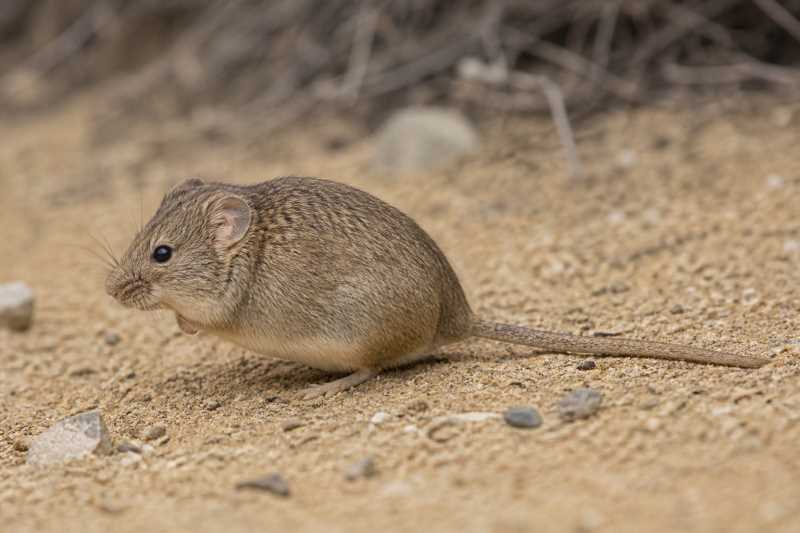
Jackson’s Fat Mouse is a small rodent characterized by its robust and compact body. Adult mice typically have a body length ranging from 8 to 12 centimeters, with a tail that measures about half the length of the body. This species is known for its relatively large head and short, rounded ears. The fur of Jackson’s Fat Mouse is dense and soft, with a coloration that varies from light brown to grey on the dorsal side, and a paler, almost white hue on the ventral side.
One of the most distinguishing features of this species is its notable fat reserves, which are primarily stored in the abdomen. These fat deposits are essential for their survival, particularly during periods of food scarcity. The limbs of Jackson’s Fat Mouse are short but strong, allowing for efficient burrowing and swift movement through their habitat.
Range and Habitat
Jackson’s Fat Mouse is predominantly found in sub-Saharan Africa, with its range extending across countries such as Kenya, Tanzania, and Uganda. It inhabits a variety of ecosystems within this range, including savannas, grasslands, and open woodlands. The species is particularly adapted to environments with seasonal variations, where it can exploit the abundance of food resources during the wet season and rely on its fat reserves during the dry season.
These mice are known to construct elaborate burrow systems that provide shelter from predators and extreme weather conditions. The burrows are typically located in areas with loose, sandy soil, which facilitates easy digging. Within these burrows, Jackson’s Fat Mouse creates a network of tunnels and chambers used for nesting and food storage.
Behavior and Diet
Jackson’s Fat Mouse is a nocturnal creature, predominantly active during the night when it forages for food. Its diet is omnivorous, consisting of seeds, fruits, insects, and occasionally small vertebrates. The species is known for its opportunistic feeding habits, allowing it to take advantage of the most readily available food sources in its environment.
Social interactions in Jackson’s Fat Mouse populations are relatively limited, as these mice are generally solitary except during the breeding season. During this time, males and females come together for mating before returning to their solitary lifestyles. The species is also known for its ability to enter a state of torpor, significantly lowering its metabolic rate to conserve energy during periods of food scarcity.
Identification Tips (Field Recognition Cues)
Identifying Jackson’s Fat Mouse in the wild requires keen observation and knowledge of specific traits:
- Body Size and Shape: Look for a small, robust mouse with a relatively large head and short, rounded ears.
- Fur Coloration: Note the light brown to grey dorsal fur contrasted with a paler underside.
- Behavioral Patterns: Observe nocturnal activity and burrowing behavior, which are characteristic of this species.
- Habitat Location: Search in open grasslands, savannas, and areas with loose, sandy soil for burrows.
Conservation Status (With Threats and Protections)
As of the latest assessments, Jackson’s Fat Mouse is classified as a species of Least Concern by the International Union for Conservation of Nature (IUCN). Despite its stable population, there are several threats that could impact its future survival.
Threats
- Habitat Destruction: Agricultural expansion and urban development are leading to habitat fragmentation and loss.
- Climate Change: Altered rainfall patterns and temperature fluctuations may affect food availability and habitat conditions.
- Predation: Natural predators, such as birds of prey and small carnivores, pose a threat, particularly to young and inexperienced mice.
Protections
- Protected Areas: Some populations of Jackson’s Fat Mouse exist within protected national parks and reserves, which offer a degree of habitat preservation.
- Conservation Efforts: Ongoing research and monitoring are essential to understand population dynamics and address potential threats proactively.
Frequently Asked Questions
What do Jackson’s Fat Mice eat?
Jackson’s Fat Mice have an omnivorous diet that includes seeds, fruits, insects, and occasionally small vertebrates. They are opportunistic feeders, adapting their diet based on seasonal availability.
Where can Jackson’s Fat Mouse be found?
This species is found in sub-Saharan Africa, particularly in countries like Kenya, Tanzania, and Uganda. It inhabits savannas, grasslands, and open woodlands.
How does Jackson’s Fat Mouse survive during food scarcity?
Jackson’s Fat Mouse stores significant fat reserves in its abdomen, which it utilizes during periods of food scarcity. It can also enter a state of torpor to conserve energy.
What are the main threats to Jackson’s Fat Mouse?
The main threats include habitat destruction due to agriculture and urban development, climate change impacts, and natural predation.
Is Jackson’s Fat Mouse endangered?
Currently, Jackson’s Fat Mouse is listed as Least Concern by the IUCN, but ongoing threats could impact its status if not addressed.
Related posts