The Grey-breasted Parakeet: A Jewel of Brazilian Biodiversity
The Grey-breasted Parakeet (Pyrrhura griseipectus), a vibrant and endearing bird, is a species that epitomizes the rich biodiversity of Brazil’s northeastern region. Known for its striking appearance and charismatic behavior, the Grey-breasted Parakeet has, unfortunately, become a symbol of the challenges facing wildlife conservation today. This article delves into the natural history, conservation status, and efforts to preserve this remarkable species.
Natural History
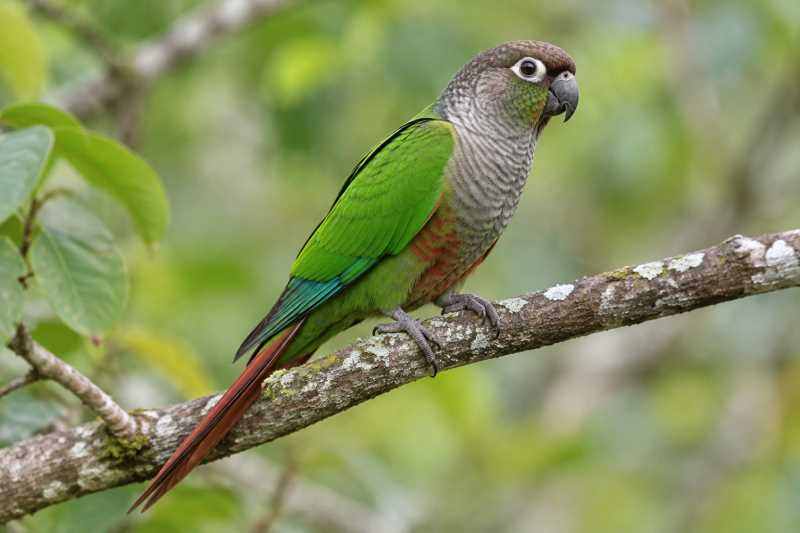
The Grey-breasted Parakeet is endemic to Brazil, specifically found in the northeastern state of Ceará. This region is characterized by its unique caatinga biome, a type of dry forest that offers a distinctive habitat for the parakeet. The bird is known for its vibrant plumage, which includes shades of green, grey, and blue, with a distinctive grey breast that gives the species its name.
Weighing around 75 grams and measuring approximately 24 centimeters in length, these parakeets are social creatures, often observed in flocks. Their diet primarily consists of seeds, fruits, and flowers, sourced from the diverse plant life within their habitat.
Behavior and Ecology
Grey-breasted Parakeets are highly social and vocal, employing a range of calls to communicate within their flocks. They are active during the day and roost communally at night, often in tree hollows or cliff faces. Their breeding season typically aligns with the onset of the rainy season, which provides ample food resources for raising their young.
Nest sites are often re-used across breeding seasons, making them particularly vulnerable to habitat disturbance. The loss of suitable nesting sites due to deforestation and land conversion poses a significant threat to their survival.
Conservation Status
The Grey-breasted Parakeet is currently classified as Endangered on the IUCN Red List. This status is primarily due to rapid habitat loss and fragmentation, largely driven by agricultural expansion and urban development. The illegal pet trade has also historically contributed to their decline, although increased legal protection has helped mitigate this threat to some extent.
Population estimates suggest that fewer than 1,000 individuals remain in the wild, making conservation efforts critical. The parakeet’s restricted range and specialized habitat requirements further exacerbate its vulnerability.
Conservation Efforts
Conservation initiatives for the Grey-breasted Parakeet have been multi-faceted, involving habitat preservation, legal protection, and community engagement. Organizations such as the Brazilian NGO Aquasis have been at the forefront of these efforts. They have implemented projects aimed at protecting critical habitats, conducting research to better understand the parakeet’s ecology, and engaging local communities in conservation activities.
One of the key strategies has been the establishment of protected areas that safeguard essential habitats. These areas are crucial for maintaining the ecological integrity of the region and ensuring the availability of resources necessary for the parakeet’s survival.
Moreover, breeding programs in captivity have been initiated to bolster wild populations. These programs aim to create a genetically diverse population that can potentially be reintroduced into the wild to enhance genetic diversity and stability.
The Role of Local Communities
The involvement of local communities has been pivotal in the conservation of the Grey-breasted Parakeet. Community engagement initiatives have focused on raising awareness about the importance of biodiversity and the specific needs of the parakeet. Educational programs, workshops, and ecotourism have been employed to foster a sense of stewardship and provide economic incentives for conservation.
By aligning conservation goals with the interests of local populations, these initiatives create a sustainable model for long-term preservation. Successful conservation hinges not only on legal measures but also on the support and participation of those who live alongside these remarkable birds.
Conclusion
The Grey-breasted Parakeet is a vivid reminder of the beauty and fragility of our natural world. Its plight underscores the urgency of concerted conservation efforts to protect not only this species but the myriad of life forms that share its habitat. With continued dedication, research, and collaboration, there remains hope that the Grey-breasted Parakeet will once again flourish in the wild, serving as a testament to the power of collective action in preserving our planet’s biodiversity.
As we continue to expand our understanding of this remarkable species, it is crucial to translate knowledge into action, ensuring that future generations can witness the vibrant flocks of Grey-breasted Parakeets gracing the skies of Brazil.
Related posts