Introduction
The Incan Shrew-opossum, scientifically known as Lestoros inca, represents a fascinating yet lesser-known species within the order of Paucituberculata. This elusive mammal is a member of the small family of shrew-opossums or rat opossums, which are endemic to South America. Despite its intriguing characteristics and evolutionary significance, the Incan Shrew-opossum remains largely understudied, with much of its behavior and ecology still shrouded in mystery. This article aims to shed light on this enigmatic species, exploring its physical traits, habitat preferences, behavior, diet, conservation status, and more.
Physical Description
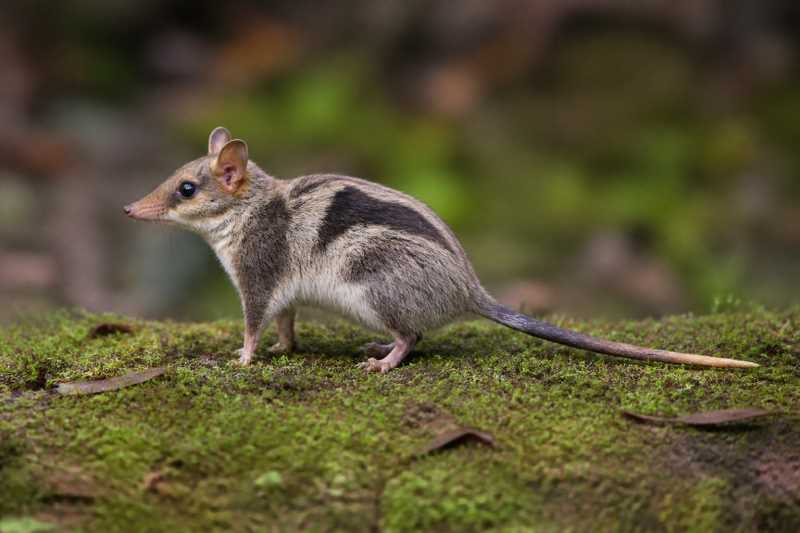
The Incan Shrew-opossum is a small mammal, characterized by its elongated snout and sleek, shrew-like appearance. This species typically measures between 9 to 12 centimeters in body length, with an additional tail length that can extend up to 10 centimeters. Their weight varies from 25 to 40 grams, making them diminutive even among small mammals. Their fur is generally soft and dense, colored in shades of brown or gray, which provides effective camouflage against the forest floor.
Distinctive features include a pointed nose and a long, slender tail, which is not prehensile but aids in balance and agility. The snout is particularly noteworthy, as it houses a highly sensitive nose that aids in foraging. Their eyes are relatively small, reflecting their nocturnal lifestyle, while their ears are rounded and moderately sized, designed to capture the slightest sounds in their environment.
Range and Habitat
The Incan Shrew-opossum is primarily found in the Andean regions of Peru and Bolivia. Its range is largely confined to high-altitude cloud forests and montane regions, typically at elevations ranging from 2,000 to 4,000 meters. These habitats are characterized by dense vegetation, high humidity, and cooler temperatures, all of which are conducive to the lifestyle of the shrew-opossum.
Within these ecosystems, the Incan Shrew-opossum plays a crucial role as both predator and prey. The rich understory and leaf litter provide ample cover and foraging grounds, where it can hunt for invertebrates and other small organisms. The species’ preference for secluded, forested habitats makes it particularly vulnerable to habitat destruction, which is a significant concern for its conservation.
Behavior and Diet
The Incan Shrew-opossum is primarily nocturnal, spending the night hours foraging for food and navigating through its forested environment. Its diet is largely insectivorous, consisting mainly of insects, worms, and other small invertebrates. The elongated snout and sensitive nose are crucial for detecting prey beneath the leaf litter.
Behaviorally, the Incan Shrew-opossum is solitary, with individuals maintaining and defending their own territories. Little is known about their reproductive habits, but it is believed that they may have a breeding season that coincides with the wet season, when food resources are more abundant.
Identification Tips (Field Recognition Cues)
Identifying the Incan Shrew-opossum in the field requires careful observation and knowledge of its physical and behavioral traits. Key identification tips include:
- Size and Shape: Look for a small, shrew-like mammal with a pointed snout and a long tail.
- Coloration: Their fur is typically a muted brown or gray, blending seamlessly with the forest floor.
- Activity Pattern: Active primarily at night, spotting one during daylight is rare.
- Habitat: Found in high-altitude cloud forests of the Andes, usually at elevations above 2,000 meters.
- Behavior: Solitary and elusive, often heard rustling in leaf litter as they forage.
Conservation Status (with Threats and Protections)
The conservation status of the Incan Shrew-opossum is currently listed as Data Deficient by the International Union for Conservation of Nature (IUCN). This classification reflects the lack of comprehensive data on its population size and trends, as well as the impacts of potential threats.
Major threats to the Incan Shrew-opossum include habitat destruction due to deforestation, agricultural expansion, and the effects of climate change, which alter the delicate ecosystems of the Andes. Conservation efforts are hampered by the limited understanding of the species, necessitating more focused research and habitat protection measures.
To protect these unique mammals, it is crucial to preserve their natural habitats through sustainable land management practices and to support scientific studies that can provide the data needed to inform conservation strategies.
Frequently Asked Questions
What is the Incan Shrew-opossum’s primary diet?
The Incan Shrew-opossum primarily feeds on insects and other small invertebrates. Its elongated snout is adapted for probing the leaf litter in search of prey.
Where can the Incan Shrew-opossum be found?
This species is found in the high-altitude cloud forests of the Andes, particularly in Peru and Bolivia, at elevations ranging from 2,000 to 4,000 meters.
How does the Incan Shrew-opossum reproduce?
While specific details about their reproduction are limited, it is believed that the Incan Shrew-opossum breeds during the wet season when food resources are more plentiful.
What are the main threats to the Incan Shrew-opossum?
The main threats include habitat destruction due to deforestation, agricultural activities, and climate change, which impact their montane forest environments.
Are there any conservation measures in place for the Incan Shrew-opossum?
Current conservation efforts are limited due to insufficient data. However, protecting their habitats and promoting research are critical steps toward their preservation.
Related posts