Introduction
The platypus (Ornithorhynchus anatinus) is one of the most intriguing and unique mammals in the animal kingdom. Native to Australia, this egg-laying mammal defies the conventional characteristics typically associated with the class Mammalia. With its duck-bill, webbed feet, and beaver-like tail, the platypus has fascinated scientists and the general public alike since its discovery. This article delves into the various aspects of the platypus, including its physical description, habitat, behavior, and current conservation status.
Physical Description
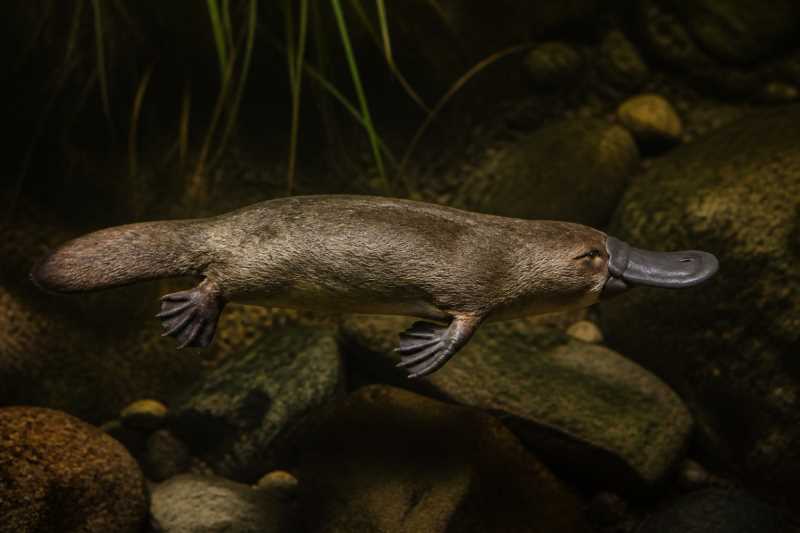
The platypus is an extraordinary animal that exhibits a combination of traits that resemble those of birds, mammals, and reptiles. An adult platypus typically ranges from 38 to 60 cm (15 to 24 inches) in length, including its tail, and weighs between 0.7 to 2.4 kg (1.5 to 5.3 pounds). Males are generally larger than females.
One of its most distinctive features is its bill, which resembles that of a duck. This bill is not only used for foraging but also packed with electroreceptors that help the platypus detect prey underwater. Its dense, waterproof fur provides insulation in cold water, while its webbed feet make it an excellent swimmer. The platypus’s tail is flat and broad, similar to a beaver’s, and is used for both propulsion in the water and fat storage. Males possess venomous spurs on their hind legs, which can deliver a painful sting to predators or rivals.
Range and Habitat
The platypus is endemic to eastern Australia and Tasmania. Its range extends from the cooler highlands of Tasmania and the Australian Alps to the warmer lowland rivers and streams of Queensland and New South Wales. The platypus primarily inhabits freshwater environments, including rivers, lakes, and streams.
In these aquatic habitats, the platypus is a solitary creature, and it constructs burrows on the banks of water bodies. These burrows often have two entrances: one underwater and another above the waterline, providing protection from predators and extreme weather conditions.
Behavior and Diet
The platypus is primarily nocturnal and crepuscular, meaning it is most active during the night and twilight hours. It spends a significant amount of time in the water, where it forages for food. The diet of a platypus consists mainly of aquatic invertebrates, such as insect larvae, worms, and freshwater shrimp. It also occasionally eats small fish and amphibians.
When foraging, the platypus closes its eyes, ears, and nostrils and relies on its bill to sense prey. The electroreceptors and mechanoreceptors in the bill detect the electric fields and movements of prey, allowing the platypus to hunt efficiently in dark or murky waters. After capturing food, the platypus surfaces to chew and swallow its meal.
Identification Tips (Field Recognition Cues)
Identifying a platypus in the wild requires careful observation and knowledge of its distinctive features:
- Bill: Look for the characteristic duck-like bill, which is flat and broad.
- Size and Shape: Note the small, streamlined body with webbed feet and a flat, beaver-like tail.
- Fur Color: The platypus has a dark brown back with lighter fur on its belly.
- Movement: Observe the unique swimming style, using its front webbed feet for propulsion and its tail for steering.
- Habitat: Focus on freshwater environments, particularly during early morning or late afternoon when they are most active.
Conservation Status (With Threats and Protections)
The platypus is currently classified as "Near Threatened" on the IUCN Red List. While it is not considered endangered, several factors pose threats to its population:
- Habitat Destruction: Urban development, agriculture, and dam construction have led to the loss and fragmentation of platypus habitats.
- Pollution: Water pollution from agricultural runoff, industrial waste, and urbanization adversely affects the quality of the platypus’s aquatic environment.
- Climate Change: Changing weather patterns, increased frequency of droughts, and altered river flows impact the availability of suitable habitats.
- Predation and Competition: Introduced species such as foxes, dogs, and cats prey on platypuses, while competition for food resources can also be a challenge.
Conservation efforts include habitat protection, pollution control, and research to better understand the platypus’s ecology and behavior. Legal protections are in place in Australia, but ongoing monitoring and conservation actions are necessary to ensure the species’ long-term survival.
Frequently Asked Questions
How does the platypus use its bill?
The platypus uses its bill to forage for food. The bill is equipped with electroreceptors that detect the electric fields generated by the movements of prey, such as insect larvae and shrimp. This adaptation allows the platypus to hunt effectively in dark or murky waters.
Are platypuses venomous?
Yes, male platypuses have venomous spurs on their hind legs. The venom is used primarily during the breeding season to assert dominance over rivals. While not lethal to humans, the venom can cause severe pain and swelling.
Where can I see a platypus in the wild?
Platypuses are found in freshwater rivers, lakes, and streams in eastern Australia and Tasmania. To increase your chances of seeing one, visit these habitats during dawn or dusk when platypuses are most active.
What is the lifespan of a platypus?
In the wild, a platypus can live up to 12 years. In captivity, they may live longer due to the absence of predators and controlled environmental conditions.
Why is the platypus considered a unique mammal?
The platypus is unique because it is one of the few egg-laying mammals, known as monotremes. It also possesses a combination of traits found in birds, reptiles, and mammals, such as a duck-bill and webbed feet.
Related posts