Introduction
Hummelinck’s Vesper Mouse (Calomys hummelincki) is a lesser-known rodent species that inhabits specific regions within South America. Named after the renowned Dutch biologist P. W. Hummelinck, this species is a fascinating subject for study due to its unique adaptations and ecological niche. Although not as widely recognized as some of its rodent relatives, the Hummelinck’s Vesper Mouse plays a crucial role in its ecosystem, contributing to seed dispersion and soil aeration.
Understanding the biology, behavior, and conservation status of this species is vital for ecologists and conservationists aiming to preserve the biodiversity of the regions it inhabits. This comprehensive article explores the physical characteristics, habitat preferences, behaviors, and conservation challenges faced by Calomys hummelincki.
Physical Description
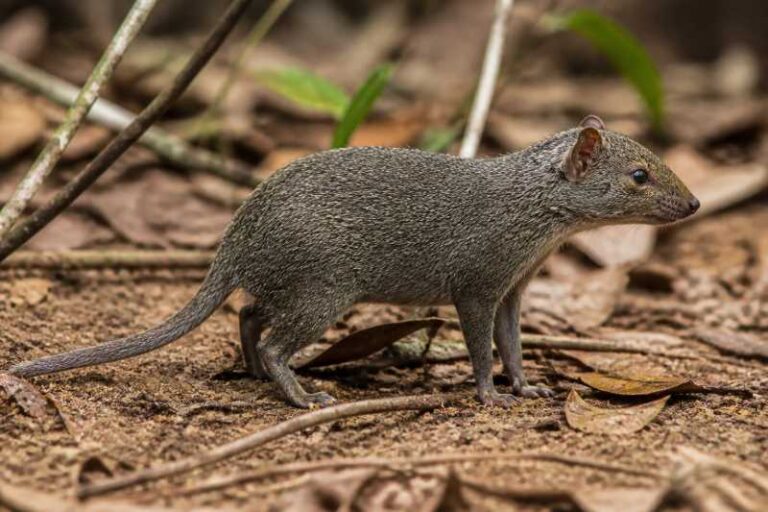
Hummelinck’s Vesper Mouse is a small rodent characterized by its delicate build and distinctive features. Adults typically measure between 10 to 12 centimeters in body length, excluding the tail, which adds an additional 8 to 10 centimeters. Weighing between 20 to 30 grams, this species exhibits sexual dimorphism, with males being slightly larger than females.
The fur of Calomys hummelincki is soft and dense, primarily colored in shades of brown and gray, providing excellent camouflage in its natural habitat. The ventral side is noticeably lighter, often displaying a whitish or pale gray hue. The ears are moderately sized and rounded, contributing to the mouse’s acute hearing capabilities. Notably, their eyes are large and dark, adapted for nocturnal activity.
Range and Habitat
Hummelinck’s Vesper Mouse is predominantly found in the northern parts of South America, with its range extending across regions of Venezuela, Aruba, and Curaçao. These mice have adapted to a variety of habitats, from dry savannas and thorny scrublands to coastal areas and rocky terrains. Their preference for semi-arid environments underscores their resilience and adaptability.
This species is often associated with areas that provide ample cover and food resources. They are adept at navigating through dense vegetation and rocky crevices, utilizing these features for shelter and protection against predators. The presence of water sources, though not a primary habitat requirement, can influence their local distribution, as it affects the availability of food and nesting sites.
Behavior and Diet
Primarily nocturnal, Hummelinck’s Vesper Mouse is most active during the cooler hours of the night, which helps them avoid the heat of the day and potential predators. Their social structure is relatively solitary, although they may exhibit communal nesting during colder periods or when resources are abundant.
The diet of Calomys hummelincki is omnivorous, consisting mainly of seeds, fruits, and insects. This varied diet not only fulfills their nutritional requirements but also facilitates seed dispersion, contributing to the ecological health of their habitat. Insects provide a vital protein source, especially during the breeding season when nutritional demands increase.
Identification Tips
Field recognition of Hummelinck’s Vesper Mouse can be challenging due to its elusive nature and habitat preferences. However, several key characteristics can aid in identification:
- Fur Coloration: Look for the soft, dense fur with a brownish-gray dorsal side and lighter ventral side.
- Size and Proportions: Note the small body size, approximately 10 to 12 centimeters, with a proportionally long tail.
- Ear and Eye Features: The rounded ears and large, dark eyes are distinctive features, reflecting their nocturnal lifestyle.
- Behavioral Patterns: Observing nocturnal activity and solitary foraging behavior can help differentiate them from other species.
Conservation Status
The conservation status of Hummelinck’s Vesper Mouse is currently listed as Least Concern by the International Union for Conservation of Nature (IUCN). This classification indicates that, at present, the species is not facing a significant risk of extinction. However, this does not imply the absence of threats.
Primary threats include habitat loss due to agricultural expansion, urban development, and climate change. These factors can lead to habitat fragmentation, reducing the availability of suitable living and foraging areas. Additionally, invasive species and increased predation pressure pose significant risks.
Conservation efforts focus on habitat preservation and monitoring population trends. Protected areas within their range offer some level of security, but continued research and environmental policies are essential to ensure long-term survival.
Frequently Asked Questions
1. What adaptations help Hummelinck’s Vesper Mouse survive in its environment?
- Hummelinck’s Vesper Mouse possesses adaptations such as nocturnal activity patterns, which minimize exposure to predators and extreme temperatures. Their fur coloration provides camouflage, while their omnivorous diet allows flexibility in food selection.
2. How does Hummelinck’s Vesper Mouse contribute to its ecosystem?
- This species plays a crucial ecological role by dispersing seeds and aerating the soil through its foraging activities. These actions facilitate plant growth and increase biodiversity within their habitats.
3. Are there any conservation programs in place for Hummelinck’s Vesper Mouse?
- While specific programs targeting this species are limited, general conservation efforts within their range, such as habitat preservation and protected areas, indirectly benefit Hummelinck’s Vesper Mouse.
4. How can I help in the conservation of Hummelinck’s Vesper Mouse?
- Supporting organizations that focus on habitat conservation and sustainable land use policies can contribute to the protection of this species. Raising awareness about the ecological importance of small mammals is also beneficial.
5. What challenges do researchers face in studying Hummelinck’s Vesper Mouse?
- Researchers often face challenges such as the species’ elusive nature, difficulty in accessing remote habitats, and limited baseline data on population dynamics and ecological requirements.
Related posts