Introduction
The Lar Gibbon, also known as the white-handed gibbon, is a fascinating primate species belonging to the family Hylobatidae. These small, arboreal apes are native to the forests of Southeast Asia and are renowned for their remarkable agility and enchanting vocalizations. As one of the lesser apes, Lar Gibbons play a crucial role in their ecosystem, contributing to seed dispersal and forest health. Despite their importance, these gibbons face significant threats from habitat destruction and the illegal wildlife trade. This comprehensive article delves into the Lar Gibbon’s physical characteristics, habitat, behavior, and conservation status, offering a detailed insight into this remarkable species.
Physical Description
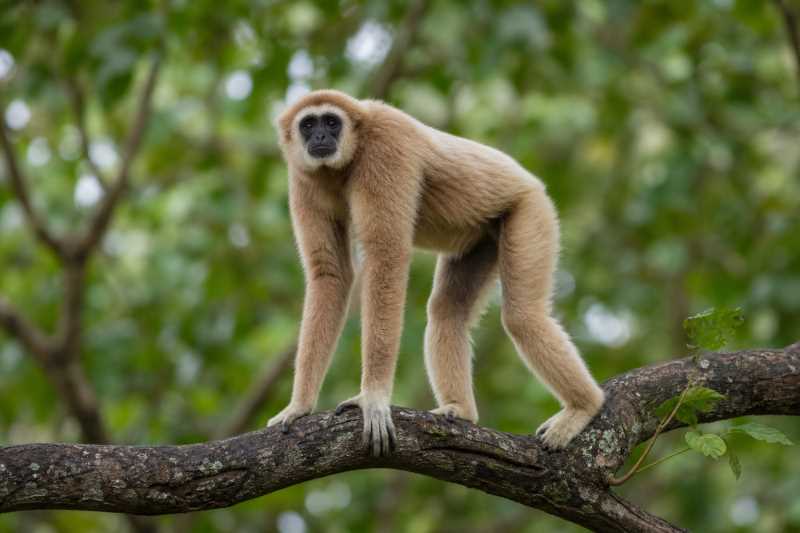
Lar Gibbons are medium-sized primates characterized by their slender bodies and long limbs, which are perfectly adapted for a life among the trees. Adult Lar Gibbons typically weigh between 5.5 and 7.6 kilograms (12 to 17 pounds), with males being slightly larger than females. Their bodies measure approximately 45 to 64 centimeters (18 to 25 inches) in length.
One of the most distinctive features of the Lar Gibbon is its coat, which varies in color from pale cream to dark brown. This variation in fur color is not indicative of gender or age but rather individual genetic differences. The gibbons have a characteristic white or pale facial ring, which surrounds their dark facial skin, giving them their common name, the "white-handed gibbon."
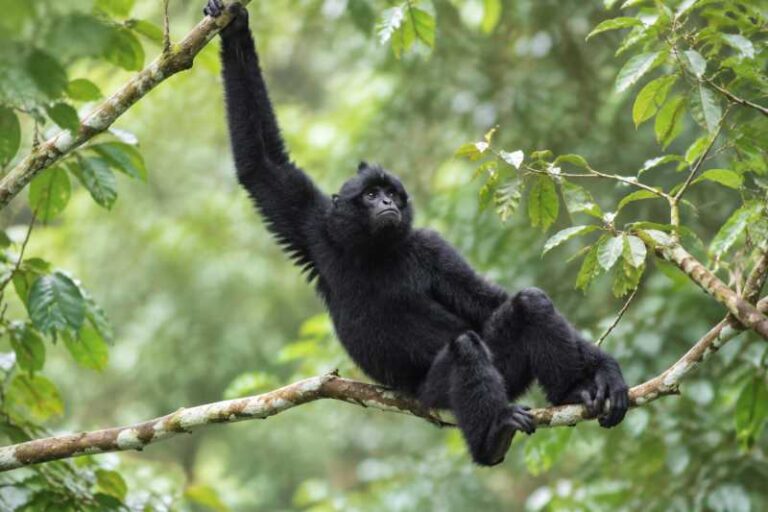
Their elongated arms, which can span up to 1.5 times their body length, are a testament to their brachiating lifestyle. This adaptation allows them to swing effortlessly from branch to branch with remarkable speed and agility. Additionally, their hands are specially adapted with long fingers and a reduced thumb, enhancing their grip on tree branches.
Range and Habitat
Lar Gibbons are found in the tropical and subtropical forests of Southeast Asia, with their range extending across several countries, including Thailand, Indonesia, Malaysia, Myanmar, and Laos. They thrive in a variety of forest types, from evergreen to semi-evergreen and deciduous forests, often at altitudes ranging from sea level up to 1,500 meters (4,900 feet).
These gibbons are arboreal, spending the majority of their lives in the forest canopy. They require large tracts of continuous forest to maintain their territories and support their complex social structures. Unfortunately, habitat fragmentation due to logging and agricultural expansion poses a significant threat to their survival.
Behavior and Diet
Lar Gibbons are diurnal, meaning they are active during the day. They are known for their social nature and typically live in small, monogamous family groups consisting of a mated pair and their offspring. These family units are highly territorial, and gibbons engage in daily vocalizations to communicate and defend their territories from neighboring groups.
Their diet primarily consists of fruits, which make up about 60% of their intake. They are also known to consume leaves, flowers, and insects, providing them with a balanced nutritional profile. As seed dispersers, Lar Gibbons play a vital role in maintaining the health and diversity of their forest ecosystems.
Identification Tips (Field Recognition Cues)
Identifying Lar Gibbons in the wild requires keen observation skills and an understanding of their distinct features:
- Facial Ring: Look for the characteristic white or pale ring around their face, a hallmark of the species.
- Vocalizations: Listen for their loud, melodious calls, which can be heard over long distances. These calls are often used to announce territory and strengthen pair bonds.
- Movement: Observe their brachiating locomotion, as they swing through the trees with fluid and graceful movements.
- Habitat: Lar Gibbons are typically found in high forest canopies, so scan the treetops for their presence.
Conservation Status (with Threats and Protections)
The Lar Gibbon is currently listed as Endangered on the IUCN Red List of Threatened Species. Their populations are declining due to several anthropogenic factors:
- Habitat Loss: Deforestation for agriculture, logging, and infrastructure development has led to significant habitat loss and fragmentation.
- Illegal Wildlife Trade: Lar Gibbons are often captured for the pet trade, and their infants are sometimes taken from the wild after the adults are killed.
- Hunting: In some regions, gibbons are hunted for food or traditional medicine.
Conservation efforts are underway to protect Lar Gibbons and their habitats. Protected areas have been established in several countries within their range, and conservation organizations are working to raise awareness and combat illegal wildlife trade. Additionally, efforts to restore degraded habitats and promote sustainable land-use practices are crucial to ensuring the long-term survival of this species.
Frequently Asked Questions
What do Lar Gibbons eat?
Lar Gibbons primarily eat fruits, which make up about 60% of their diet. They also consume leaves, flowers, and insects to supplement their nutritional needs.
How do Lar Gibbons communicate?
Lar Gibbons communicate through a combination of vocalizations, body language, and facial expressions. Their loud, melodious calls are used to defend territories and strengthen pair bonds.
Are Lar Gibbons endangered?
Yes, Lar Gibbons are classified as Endangered by the IUCN. Their populations are threatened by habitat loss, illegal wildlife trade, and hunting.
Where can I see Lar Gibbons in the wild?
Lar Gibbons are found in the forests of Southeast Asia, including Thailand, Indonesia, Malaysia, Myanmar, and Laos. Visiting protected areas and national parks in these regions increases the likelihood of observing them in their natural habitat.
Why are Lar Gibbons important to the ecosystem?
Lar Gibbons play a crucial role in their ecosystems as seed dispersers. By consuming and dispersing seeds, they help maintain forest health and biodiversity.
Related posts