Introduction
The Yucatan Woodpecker (Melanerpes pygmaeus) is a fascinating bird species that captures the attention of ornithologists and bird enthusiasts alike. This small yet charismatic woodpecker is native to the Yucatán Peninsula, a region rich in biodiversity and cultural history. In this article, we delve into the unique characteristics, habitat, behavior, and conservation status of the Yucatan Woodpecker, highlighting its significance within the ecosystem.
Taxonomy and Identification
The Yucatan Woodpecker belongs to the family Picidae, which comprises woodpeckers and piculets. Scientifically classified as Melanerpes pygmaeus, it shares the genus Melanerpes with several other species, including the well-known Red-bellied Woodpecker (Melanerpes carolinus) and the Golden-fronted Woodpecker (Melanerpes aurifrons).
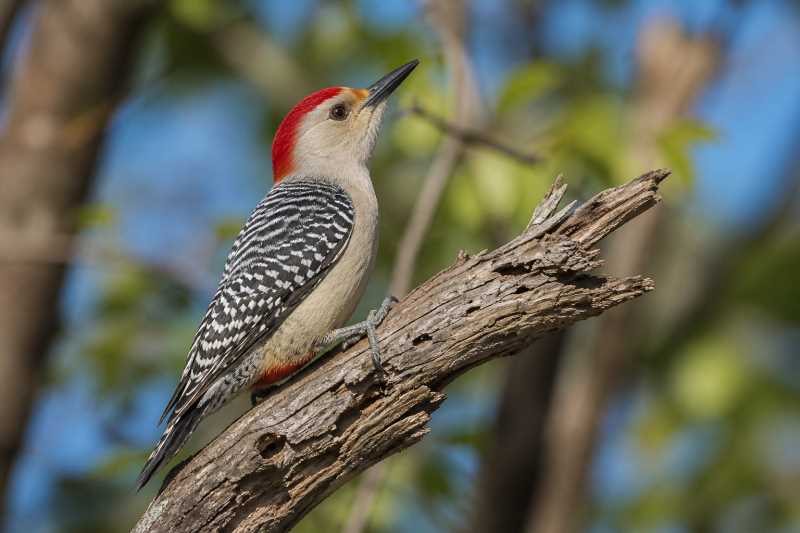
This species is characterized by its small size, typically measuring around 16 to 18 centimeters in length. The Yucatan Woodpecker exhibits a striking plumage pattern, with a barred black-and-white back and wings, and a pale, grayish underbelly. Notably, its head features distinctive red markings, more pronounced in males than females, adding to its visual appeal.
Habitat and Range
The Yucatan Woodpecker is endemic to the Yucatán Peninsula, encompassing parts of Mexico, Belize, and northern Guatemala. Its preferred habitats include subtropical or tropical dry forests, mangroves, and coastal regions, where it thrives in areas with abundant tree cover and ample sources of food.
This species is particularly adapted to the unique environmental conditions of the Yucatán Peninsula. Its presence in coastal areas highlights its ability to exploit diverse ecosystems, from dry forests to mangrove swamps, showcasing its ecological versatility.
Behavior and Diet
The Yucatan Woodpecker is primarily insectivorous, feeding on a variety of insects and their larvae. It employs its strong bill to peck at tree bark, uncovering hidden insects beneath the surface. In addition to insects, this woodpecker also consumes fruits and seeds, making it an important seed disperser within its habitat.
A notable aspect of the Yucatan Woodpecker’s behavior is its drumming and vocalizations. Drumming serves as a means of communication, often used to establish territory and attract mates. Its calls are described as sharp and repetitive, contributing to the auditory landscape of its environment.
Breeding and Reproduction
Breeding season for the Yucatan Woodpecker typically aligns with the onset of the rainy season, which varies slightly across its range but generally occurs from May to August. During this period, males engage in courtship displays, showcasing their vibrant plumage and performing elaborate drumming sequences to attract females.
Nesting occurs in tree cavities, which the woodpeckers excavate themselves or adapt from existing cavities. Both parents participate in incubating the eggs and feeding the hatchlings, demonstrating a cooperative approach to rearing their young. The typical clutch size ranges from two to four eggs, with fledging occurring approximately three weeks after hatching.
Ecological Role
The Yucatan Woodpecker plays a vital role within its ecosystem. As insectivores, they help control insect populations, preventing potential outbreaks that could harm vegetation. Their foraging behavior also aids in aerating tree bark, promoting tree health and facilitating nutrient cycling.
Moreover, by consuming fruits and seeds, these woodpeckers contribute to seed dispersal, aiding in the regeneration of plant communities. This ecological function is crucial in maintaining the biodiversity and resilience of the Yucatán Peninsula’s ecosystems.
Conservation Status
Currently, the Yucatan Woodpecker is listed as a species of Least Concern by the International Union for Conservation of Nature (IUCN). However, ongoing habitat destruction and fragmentation pose significant threats to its population. Deforestation for agriculture, urban development, and tourism infrastructure are among the primary drivers of habitat loss in the region.
Conservation efforts are essential to ensure the survival of the Yucatan Woodpecker and the preservation of its habitat. Initiatives aimed at protecting critical habitats, restoring degraded areas, and promoting sustainable land-use practices are crucial steps toward safeguarding this species for future generations.
Cultural Significance
Beyond its ecological importance, the Yucatan Woodpecker holds cultural significance for the indigenous communities of the Yucatán Peninsula. Birds, including woodpeckers, often feature in local folklore and traditions, symbolizing various attributes such as resilience and communication.
Efforts to engage local communities in conservation initiatives can benefit from recognizing and integrating these cultural values. By fostering a sense of stewardship and pride in their natural heritage, these communities can play an active role in preserving the biodiversity of their region.
Conclusion
The Yucatan Woodpecker is a remarkable species that embodies the rich natural and cultural heritage of the Yucatán Peninsula. Its unique adaptations, ecological contributions, and cultural significance underscore the need for concerted conservation efforts to protect this species and its habitat. As we strive to balance development with environmental sustainability, the Yucatan Woodpecker serves as a poignant reminder of the intricate connections between nature and culture.
By promoting awareness and understanding of this species, we can inspire action to conserve not only the Yucatan Woodpecker but also the diverse ecosystems it inhabits. Through collaborative efforts, we can ensure that future generations continue to marvel at the beauty and wonder of this iconic bird and the vibrant landscapes it calls home.
Related posts