Introduction
The Fulvous Tapeti (Sylvilagus fulvescens) is a fascinating mammal species belonging to the family Leporidae, commonly known for its distinctive appearance and enigmatic behavior. This rabbit species, often overshadowed by its more famous relatives like the European rabbit or the American cottontail, plays a crucial role in its ecosystem. The Fulvous Tapeti is native to certain regions of Central and South America and is admired for its adaptability and unique habits.
Understanding the Fulvous Tapeti is essential for both wildlife enthusiasts and conservationists. This article delves into various aspects of this intriguing species, including its physical characteristics, habitat preferences, behaviors, dietary habits, and conservation status. Additionally, it provides helpful tips for identifying this species in the wild and answers common questions related to the Fulvous Tapeti.
Physical Description
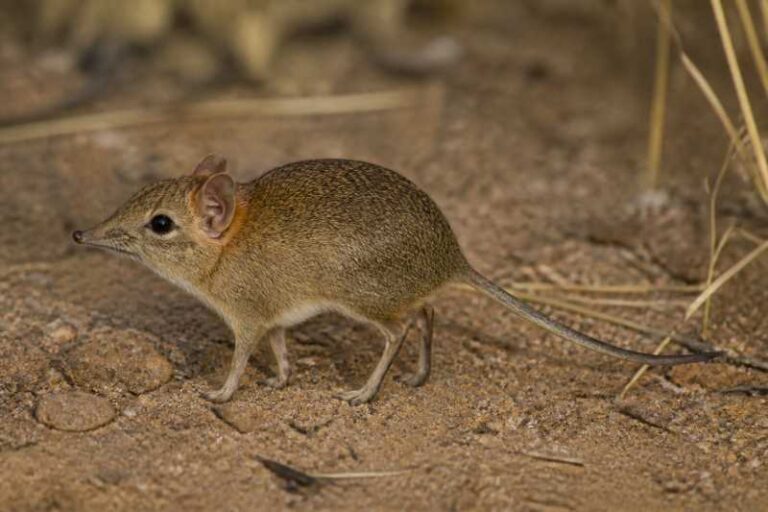
The Fulvous Tapeti is a medium-sized rabbit characterized by its distinctive fulvous (tawny or reddish-yellow) fur, which gives the species its name. Adult Fulvous Tapetis typically weigh between 1.5 to 2.5 kilograms (3.3 to 5.5 pounds) and measure around 40 to 50 centimeters (15.7 to 19.7 inches) in length.
One of the most notable features of the Fulvous Tapeti is its dense, soft fur that provides excellent insulation and camouflage in its natural habitat. The fur color ranges from a warm tawny to a light brown, with a paler underbelly. This coloration helps the rabbit blend seamlessly into the forest floor and dense undergrowth, offering protection from predators.
The Fulvous Tapeti has relatively long ears compared to some other rabbit species, which aid in detecting predators. Its large, dark eyes provide excellent night vision, crucial for its crepuscular and nocturnal lifestyle. The hind legs of the Fulvous Tapeti are strong and well-muscled, enabling it to make quick, powerful leaps to escape threats.
Range and Habitat
The Fulvous Tapeti is primarily found in the tropical and subtropical forests of Central and South America. Its range extends from southern Mexico through Central America, reaching parts of northern South America, including Colombia and Venezuela.
This species prefers habitats with dense vegetation, such as rainforests, secondary forests, and forest edges. The Fulvous Tapeti thrives in environments that offer ample cover from predators and abundant food resources. It is particularly fond of areas with a mix of shrubs, tall grasses, and scattered trees, which provide both shelter and forage.
The Fulvous Tapeti is highly adaptable and can also be found in altered landscapes, such as agricultural fields and plantations, as long as there is sufficient cover and food availability. This adaptability is a testament to the species’ resilience in the face of habitat changes.
Behavior and Diet
The Fulvous Tapeti is primarily crepuscular, meaning it is most active during the early morning and late afternoon or evening hours. This behavior helps it avoid the peak activity times of many predators. However, it can also exhibit nocturnal activity, especially in areas where human disturbance is minimal.
This rabbit species is generally solitary, although it may be observed in small, loose groups when feeding. The Fulvous Tapeti is known for its shyness and wariness, often retreating into dense vegetation at the first sign of danger.
The diet of the Fulvous Tapeti is primarily herbivorous, consisting of a variety of plant materials. It feeds on grasses, leaves, herbs, fruits, and bark. This diverse diet allows the rabbit to exploit different food resources throughout the year, depending on seasonal availability.
A notable behavior of the Fulvous Tapeti is its use of bipedal peering, where it stands on its hind legs to survey the surroundings for potential threats. This behavior, along with its excellent hearing and vision, enhances its ability to detect and evade predators.
Identification Tips (Field Recognition Cues)
Identifying the Fulvous Tapeti in the wild requires attention to specific cues:
- Color and Size: Look for a medium-sized rabbit with a distinctive fulvous or tawny coat and a paler underbelly. The warm, reddish-yellow coloration is a key identifier.
- Ear and Eye Characteristics: Note the relatively long ears and large, dark eyes. These features are typical of the Fulvous Tapeti and are adaptations for predator detection and night vision.
- Habitat: Focus on areas with dense vegetation, such as forest edges or overgrown fields. The Fulvous Tapeti is more likely to be found in regions that offer ample cover and food.
- Behavior: Observe the rabbit’s behavior, particularly its tendency to stand on its hind legs to peer over vegetation. This behavior, along with its crepuscular activity pattern, can help distinguish it from other rabbit species.
Conservation Status (With Threats and Protections)
The conservation status of the Fulvous Tapeti is currently listed as "Least Concern" by the International Union for Conservation of Nature (IUCN). However, like many wildlife species, it faces several threats that could impact its long-term survival.
Threats
- Habitat Loss: Deforestation and habitat fragmentation due to agricultural expansion, logging, and urban development pose significant threats to the Fulvous Tapeti’s habitat.
- Hunting: In some regions, the Fulvous Tapeti is hunted for its meat and fur, which can lead to local population declines.
- Predation: Natural predators, such as foxes, birds of prey, and large snakes, pose a constant threat to the Fulvous Tapeti.
Protections
Conservation efforts for the Fulvous Tapeti focus on habitat preservation and management. Protected areas and national parks within its range play a crucial role in safeguarding its habitat. Additionally, environmental education and awareness campaigns aim to reduce hunting pressures and promote sustainable land-use practices.
Collaborative efforts between governments, non-governmental organizations, and local communities are essential to ensuring the long-term survival of the Fulvous Tapeti and its habitat.
Frequently Asked Questions
- What does the Fulvous Tapeti eat?
The Fulvous Tapeti primarily feeds on a herbivorous diet that includes grasses, leaves, herbs, fruits, and bark. It is adaptable in its dietary habits, allowing it to exploit a variety of food resources throughout the year.
- Where can I find the Fulvous Tapeti?
The Fulvous Tapeti is found in tropical and subtropical forests of Central and South America, from southern Mexico through Central America to parts of northern South America, such as Colombia and Venezuela. It prefers habitats with dense vegetation.
- How does the Fulvous Tapeti avoid predators?
The Fulvous Tapeti employs several strategies to avoid predators, including its crepuscular activity pattern, use of dense vegetation for cover, and bipedal peering behavior to survey for threats. Its excellent hearing and vision also aid in predator detection.
- Is the Fulvous Tapeti endangered?
The Fulvous Tapeti is currently listed as "Least Concern" by the IUCN. However, it faces threats from habitat loss, hunting, and predation, which require ongoing conservation efforts to ensure its continued survival.
- What are the unique features of the Fulvous Tapeti?
The Fulvous Tapeti is distinguished by its fulvous (tawny) fur, long ears, and large, dark eyes. It is known for its bipedal peering behavior and adaptability to different habitats within its range.
Related posts