Introduction
The Huangang Shrew Mole, scientifically known as Uropsilus huanggangensis, is a fascinating mammal species that belongs to the family Talpidae. This small, elusive creature is native to the mountain regions of China and is part of the broader group of the Asiatic shrew moles. Despite its diminutive size, the Huangang Shrew Mole plays a crucial role in its ecosystem, serving as both a predator and prey in its complex habitat. In this article, we will delve into the various aspects of the Huangang Shrew Mole, including its physical characteristics, natural habitat, behavior, and conservation status.
Physical Description
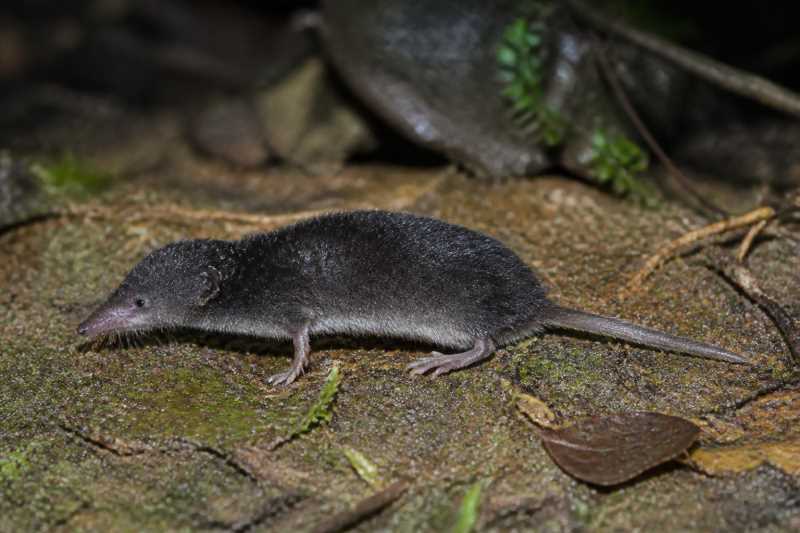
The Huangang Shrew Mole is a small mammal, typically measuring around 10 to 12 cm in length, including its tail. It has a cylindrical body shape, which is well-adapted for burrowing. The fur of this species is dense and velvety, providing insulation against the cold temperatures of its high-altitude habitat. The coloration of the fur ranges from dark gray to brown, allowing it to blend seamlessly into the forest floor.
One of the defining features of the Huangang Shrew Mole is its elongated snout, which is equipped with highly sensitive tactile hairs. These assist the mole in detecting prey and navigating through its subterranean environment. Its limbs are short but powerful, with large, spade-like claws that are perfectly suited for digging. Unlike many shrew species, the Huangang Shrew Mole does not have visible external ears, which reduces soil and debris entry during burrowing.
Range and Habitat
The Huangang Shrew Mole is endemic to the mountainous regions of China, primarily found in the Huanggang Mountains. These regions are characterized by dense forests, rich with leaf litter and abundant undergrowth, providing an ideal environment for the shrew mole to thrive.
This species prefers temperate forest habitats at elevations ranging from 1,500 to 2,500 meters. The cool, moist soil conditions in these areas are perfect for their burrowing lifestyle. The shrew mole creates extensive tunnel systems that can extend several meters underground, offering protection from predators and harsh weather conditions.
Behavior and Diet
The Huangang Shrew Mole is primarily insectivorous, feeding on a diet rich in earthworms, insects, and other small invertebrates. Its elongated snout is highly adept at probing the soil for food, and its keen sense of smell helps it locate prey even in the pitch darkness of its underground tunnels.
These moles are solitary creatures, and they maintain individual territories. The territories are marked by scent markings, which are used to deter other moles from encroaching. While primarily nocturnal, the Huangang Shrew Mole can occasionally be active during the day, especially after rainfall when prey becomes more abundant.
Identification Tips (Field Recognition Cues)
Identifying the Huangang Shrew Mole in the field can be challenging due to its elusive nature. However, there are several cues that can aid in recognition:
- Fur Texture and Color: Look for its dense, velvety fur with a dark gray to brown hue.
- Body Shape: Note the cylindrical body and elongated snout that distinguish it from other small mammals.
- Presence of Tunnels: Search for evidence of burrow systems in temperate forest soil.
- Footprints: Observe the distinct claw marks left by its powerful digging limbs.
Conservation Status (with Threats and Protections)
Currently, the conservation status of the Huangang Shrew Mole has not been thoroughly evaluated by the International Union for Conservation of Nature (IUCN), primarily due to the lack of comprehensive studies. However, its habitat is increasingly threatened by human activities such as deforestation and land conversion for agriculture.
The primary threats to this species include habitat destruction and fragmentation, which can lead to isolated populations with reduced genetic diversity. Additionally, climate change poses a significant threat by altering the delicate balance of its high-altitude habitat.
Conservation efforts are needed to protect the natural habitats of the Huangang Shrew Mole. Initiatives could include the establishment of protected areas and the implementation of sustainable land management practices. Further research is essential to understand the population dynamics and ecological needs of this species.
Frequently Asked Questions
1. What is the diet of the Huangang Shrew Mole?
The Huangang Shrew Mole primarily feeds on earthworms, insects, and small invertebrates. Its diet is adapted to the availability of prey in its underground habitat.
2. Where can the Huangang Shrew Mole be found?
This species is found in the mountainous regions of China, particularly in the Huanggang Mountains, where it inhabits dense, temperate forests.
3. What are the main threats to the Huangang Shrew Mole?
The main threats include habitat destruction due to deforestation and agricultural expansion, as well as the impacts of climate change on its high-altitude habitat.
4. How can one identify a Huangang Shrew Mole in the wild?
Look for its cylindrical body, elongated snout, dense velvety fur, and evidence of burrow systems in forested areas.
5. Why is it important to conserve the Huangang Shrew Mole?
Conserving this species is vital for maintaining the ecological balance of its habitat and ensuring the survival of its unique role within the ecosystem.
Related posts