Introduction
The Rufous-breasted Sparrowhawk (Accipiter rufiventris), a bird of prey belonging to the Accipitridae family, is a fascinating species that draws the interest of ornithologists and bird watchers alike. Known for its striking appearance and remarkable hunting skills, this bird plays a critical role in the ecosystems it inhabits. In this comprehensive article, we explore the habitat, behavior, and conservation status of the Rufous-breasted Sparrowhawk, shedding light on why this species deserves our attention and protection.
Taxonomy and Description
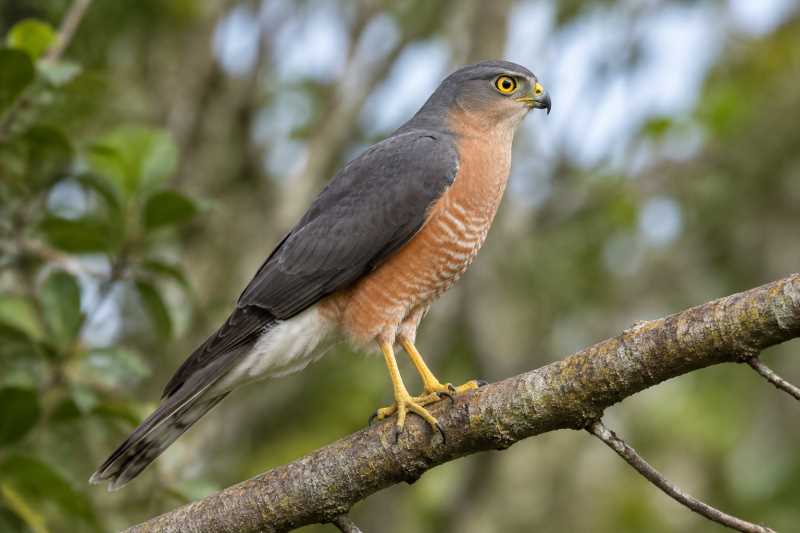
The Rufous-breasted Sparrowhawk is a medium-sized bird of prey, characterized by its distinctive rufous-colored breast and contrasting grey upperparts. Adult males typically measure around 29 to 37 centimeters in length, with females being slightly larger, a common trait among birds of prey. The wingspan ranges from 65 to 80 centimeters. Juveniles can be identified by their mottled brown plumage, which gradually transitions to the adult coloration as they mature.
This species belongs to the genus Accipiter, which includes numerous other hawks and sparrowhawks. The genus name derives from the Latin word “accipere,” meaning to seize or grasp, reflecting the bird’s adept hunting abilities. The specific epithet “rufiventris” refers to the bird’s reddish-brown (rufous) belly, a key identifying feature.
Habitat and Distribution
The Rufous-breasted Sparrowhawk is predominantly found in sub-Saharan Africa and is a resident species in several countries, including South Africa, Eswatini, Lesotho, Zimbabwe, and parts of Mozambique. It favors montane and submontane forests, particularly regions with dense undergrowth and a reliable prey base.
These birds are highly adaptable and can also be found in plantations, gardens, and other modified habitats, provided there is sufficient cover and prey availability. Their preference for forested areas makes them an indicator species for the health of these ecosystems.
Behavior and Diet
Rufous-breasted Sparrowhawks are solitary and elusive birds, often going unnoticed due to their secretive nature and preference for dense habitats. They are diurnal hunters, primarily active during the early morning and late afternoon.
Their diet consists mainly of small birds, which they skillfully hunt and capture using a combination of stealth and speed. They are also known to prey on small mammals, reptiles, and insects, demonstrating versatility in their hunting strategies. The sparrowhawk’s keen eyesight and swift flight make it a formidable predator, capable of navigating through dense foliage to catch its prey.
Breeding and Reproduction
The breeding season for the Rufous-breasted Sparrowhawk varies depending on the region but generally occurs during the southern hemisphere’s spring and summer months. Courtship involves aerial displays, where males perform acrobatic flights to attract a mate.
Nests are typically constructed high in trees, using sticks and lined with softer materials. The female lays a clutch of 2 to 4 eggs, which she incubates for about 30 to 35 days. During this period, the male provides food for the female and the chicks after they hatch. Once hatched, the young sparrowhawks fledge after approximately 4 to 5 weeks but remain dependent on their parents for food and protection for several more weeks.
Conservation Status and Threats
The International Union for Conservation of Nature (IUCN) currently lists the Rufous-breasted Sparrowhawk as a species of Least Concern. However, like many birds of prey, they face several threats that could impact their populations if not addressed.
Habitat loss due to deforestation and land conversion for agriculture poses a significant threat to this species. Additionally, the use of pesticides and rodenticides can indirectly harm sparrowhawks by reducing prey availability or causing secondary poisoning.
Climate change is another emerging threat, potentially altering the distribution and abundance of prey species, thus affecting the sparrowhawk’s survival. Conservation efforts focused on habitat preservation and reducing chemical use in agriculture are essential to ensure the long-term survival of this species.
Importance in the Ecosystem
Rufous-breasted Sparrowhawks play a vital role in maintaining ecological balance by controlling populations of small birds and other prey species. As apex predators, they contribute to the health and stability of their habitats, indirectly supporting biodiversity.
Their presence indicates a healthy ecosystem, making them valuable bioindicators for conservationists monitoring forest health and biodiversity. Protecting this species ensures the preservation of the intricate web of life within their habitats.
Conclusion
The Rufous-breasted Sparrowhawk is a remarkable bird of prey with unique adaptations and behaviors that enable it to thrive in its natural habitat. While currently not at immediate risk, proactive conservation measures are crucial to mitigate threats and preserve their populations for future generations.
Efforts to protect and restore forest habitats, coupled with sustainable agricultural practices, will play a significant role in safeguarding the Rufous-breasted Sparrowhawk and the ecosystems it inhabits. By raising awareness and promoting conservation, we can ensure that this majestic bird continues to soar through the skies of Africa.
References
- Ferguson-Lees, J., & Christie, D. A. (2001). Raptors of the World. Houghton Mifflin Harcourt.
- Kemp, A. C., & Kirwan, G. M. (2020). Rufous-breasted Sparrowhawk (Accipiter rufiventris). In: Birds of the World. Cornell Lab of Ornithology.
- IUCN Red List of Threatened Species. (2023). Accipiter rufiventris: Rufous-breasted Sparrowhawk.
Related posts