Introduction
The Bukit White-bellied Rat, scientifically known as Niviventer bukit, is a fascinating species of rodent found in the dense forests of Southeast Asia. This intriguing mammal has captured the interest of biologists and wildlife enthusiasts alike due to its unique characteristics and ecological importance. As we delve into the details of the Bukit White-bellied Rat, we will explore its physical description, range and habitat, behavior and diet, identification tips, conservation status, and answer some frequently asked questions about this elusive creature.
Physical Description
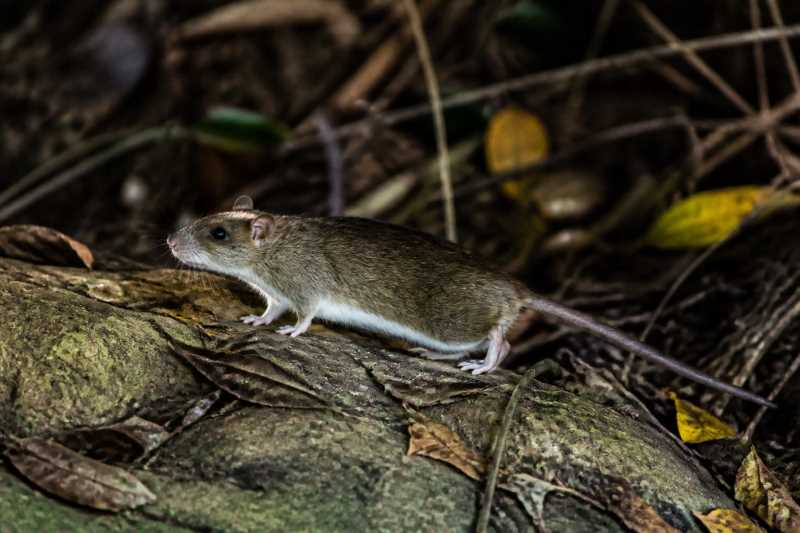
The Bukit White-bellied Rat is a medium-sized rodent characterized by its distinctive white underbelly, which contrasts sharply with its darker upper body. Typically, its fur is a rich brown or gray, providing excellent camouflage against the forest floor. Adults usually measure between 18 to 22 centimeters in body length, with a tail that is slightly longer, ranging from 20 to 25 centimeters. This tail is often used for balance and communication.
The species exhibits morphological adaptations that aid in its arboreal lifestyle. Its hind feet are long and strong, equipped with sharp claws that facilitate climbing and grasping branches. The ears of the Bukit White-bellied Rat are moderately large, providing acute hearing capabilities essential for detecting predators and prey in the dense forest environment.
Range and Habitat
Niviventer bukit is primarily found in the montane and submontane forests of Southeast Asia, with its range extending across parts of Malaysia, Thailand, and Indonesia. This species prefers the dense, humid forests that offer ample cover and abundant food resources. Elevations between 800 to 2,000 meters above sea level are ideal for this rat, as these altitudes provide a cooler climate and a rich array of plant and animal life.
The Bukit White-bellied Rat is often associated with primary forests, but it can also be found in secondary growth areas, provided the habitat structure remains complex and diverse. The presence of tall trees, dense undergrowth, and a variety of fruit-bearing plants are critical for the survival of this species.
Behavior and Diet
The Bukit White-bellied Rat is primarily nocturnal, foraging for food under the cover of darkness. It is an omnivorous species, with a diet that includes fruits, seeds, insects, and small vertebrates. This diverse diet helps the rat adapt to seasonal changes in food availability.
Socially, the Bukit White-bellied Rat is known to be solitary or to live in small family groups. It communicates through a series of vocalizations and scent markings, which are used to establish territory and attract mates. Its arboreal nature means that it spends a significant amount of time in trees, where it constructs nests from leaves and twigs.
Identification Tips
Recognizing the Bukit White-bellied Rat in the field can be challenging due to its elusive nature and the dense habitats it inhabits. However, several key features can aid in its identification:
- White Underbelly: The most distinctive feature is its white underbelly, which is unique compared to other rodents in its range.
- Tail Length: The tail is longer than the body and is often used for balance while moving through the trees.
- Large Ears: Its relatively large ears are a noticeable feature, aiding in its acute sense of hearing.
- Climbing Ability: Observing its adept climbing skills can also help in identification, as it is more arboreal than many other rat species.
Conservation Status
Currently, the Bukit White-bellied Rat is not listed as endangered, but it faces potential threats that could impact its populations. The primary threat to this species is habitat destruction due to logging, agricultural expansion, and urban development. These activities lead to the fragmentation and degradation of its forest habitat, making it difficult for the species to thrive.
Conservation efforts for the Bukit White-bellied Rat include the protection of its natural habitat through the establishment of protected areas and reserves. Additionally, there is a need for further research to better understand the species’ ecology and population dynamics, which can inform conservation strategies.
Frequently Asked Questions
What is the natural habitat of the Bukit White-bellied Rat?
The Bukit White-bellied Rat thrives in montane and submontane forests of Southeast Asia, particularly in Malaysia, Thailand, and Indonesia. It prefers dense, humid forests with elevations between 800 to 2,000 meters.
How can you identify a Bukit White-bellied Rat?
Key identification features include its white underbelly, long tail, large ears, and adept climbing abilities. These traits help differentiate it from other rodents in its habitat.
What threats does the Bukit White-bellied Rat face?
The primary threat is habitat destruction due to logging, agriculture, and urban development. Conservation efforts focus on habitat protection and further research on the species.
Is the Bukit White-bellied Rat nocturnal?
Yes, the Bukit White-bellied Rat is primarily nocturnal, foraging for food at night and using its acute senses to navigate and avoid predators.
What does the Bukit White-bellied Rat eat?
This rodent is omnivorous, feeding on a variety of fruits, seeds, insects, and small vertebrates, which allows it to adapt to different food availabilities throughout the year.
Related posts