Introduction
The Chayu Tube-nosed Bat (Murina chayuensis) is a remarkable species that captivates mammologists and wildlife enthusiasts alike. This unique bat, belonging to the family Vespertilionidae, is named after its distinctive tube-shaped nostrils. First described in the early 21st century, the Chayu Tube-nosed Bat is one of the lesser-known species within its genus, Murina. This article explores the fascinating world of the Chayu Tube-nosed Bat, from its physical attributes to its habitat, behavior, and conservation status.
Physical Description
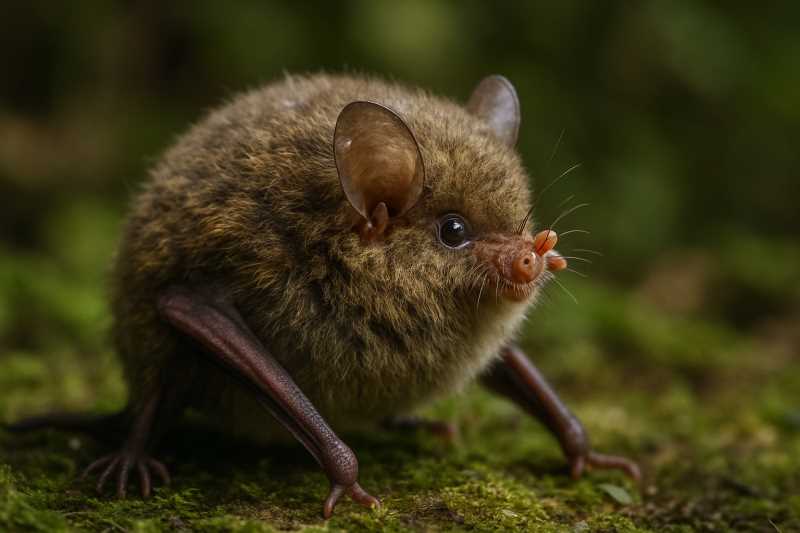
The Chayu Tube-nosed Bat is a small bat species with a wingspan ranging from 25 to 30 centimeters. It exhibits a distinctive tube-shaped nostril structure that aids in its echolocation abilities, setting it apart from other bat species. The fur of the Chayu Tube-nosed Bat is soft and dense, primarily brown with lighter, sometimes golden, hues on its underbelly. Its ears are relatively short and rounded, equipped with a tragus that assists in sound reception. The dentition of this bat is adapted to its insectivorous diet, with sharp canines and molars designed for catching and consuming insects.
Range and Habitat
The Chayu Tube-nosed Bat is endemic to the southeastern regions of the Himalayas, particularly within the Chayu County of Tibet, China. It thrives in subtropical and tropical moist broadleaf forests, where it roosts in tree hollows and under large leaves. These bats prefer habitats that offer abundant insect prey and ample foliage cover. The dense forest canopy provides them with protection from predators and harsh weather conditions. The Chayu Tube-nosed Bat is also known to inhabit areas with close proximity to water bodies, which are crucial for both foraging and hydration.
Behavior and Diet
Chayu Tube-nosed Bats are primarily nocturnal creatures, emerging from their roosts at dusk to forage for food. Their diet consists mainly of insects, including moths, beetles, and flies, which they catch in mid-air using their acute echolocation skills. These bats are solitary hunters, but they may occasionally be observed foraging in small groups. During the day, they rest in their roosts, conserving energy for the night’s activities. The social structure of Chayu Tube-nosed Bats is not well-documented, but like many bat species, they may exhibit some form of social behavior during mating seasons.
Identification Tips
Identifying the Chayu Tube-nosed Bat in the field requires keen observation and knowledge of its unique features. Key identification tips include:
- Tube-shaped Nostrils: The most distinguishing feature, helping differentiate it from other bats.
- Fur Color: Look for the characteristic brown coloration with lighter underbellies.
- Size: Smaller compared to other bats, with a wingspan of 25 to 30 centimeters.
- Echolocation Calls: Specialized frequencies unique to the species, detected using bat detectors.
Conservation Status
The Chayu Tube-nosed Bat is currently listed as Near Threatened on the IUCN Red List. The primary threats to its survival include habitat destruction due to deforestation and land conversion for agriculture. Additionally, climate change poses a significant risk by altering the bat’s natural habitat and food availability. Conservation efforts are crucial to protect this species, involving habitat preservation and legal protection against deforestation. Environmental organizations are working with local communities to promote sustainable land use practices and raise awareness about the importance of bats in ecosystems.
Frequently Asked Questions
1. Where can the Chayu Tube-nosed Bat be found? The Chayu Tube-nosed Bat is found in the southeastern regions of the Himalayas, specifically in Chayu County, Tibet, China. Its preferred habitat includes subtropical and tropical moist broadleaf forests.
2. What does the Chayu Tube-nosed Bat eat? This bat species primarily feeds on insects, including moths, beetles, and flies. It uses echolocation to navigate and hunt its prey during nocturnal foraging activities.
3. How can I identify a Chayu Tube-nosed Bat? Identifying a Chayu Tube-nosed Bat involves observing its tube-shaped nostrils, distinctive fur coloration, and listening for its unique echolocation calls using bat detectors.
4. What are the threats to the Chayu Tube-nosed Bat? The main threats include habitat destruction due to deforestation, agriculture, and climate change impacts. Conservation efforts focus on habitat preservation and promoting sustainable land use.
5. Is the Chayu Tube-nosed Bat endangered? As of now, the Chayu Tube-nosed Bat is listed as Near Threatened on the IUCN Red List, indicating that it faces threats but is not currently endangered.
Related posts