Introduction
Gunnison’s Prairie Dog (Cynomys gunnisoni) is a fascinating and integral species of the North American grasslands. These small, burrowing rodents play a crucial role in their ecosystem, serving as both a prey species and an ecosystem engineer, helping to maintain the health and biodiversity of their habitat. This article delves into the various aspects of Gunnison’s Prairie Dog, from their physical characteristics and habitat preferences to their social behavior and conservation status.
Physical Description
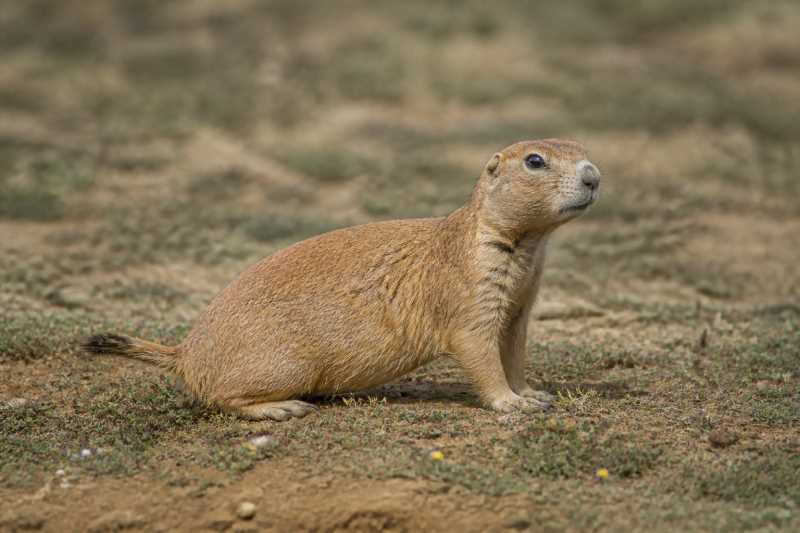
Gunnison’s Prairie Dogs are small mammals, typically measuring 12 to 14 inches in length, including their tail, which is around 1 to 2 inches long. They weigh between 1.5 to 3 pounds, with males generally being larger than females. Their fur is a mottled brown color, providing excellent camouflage against the grasslands and open plains. They have a distinctly short, black-tipped tail, which is a key characteristic that differentiates them from other prairie dog species. Their large, black eyes and small, rounded ears are set high on their heads, giving them a wide field of vision to spot predators. Gunnison’s Prairie Dogs have strong, muscular forelimbs with sharp claws for digging extensive burrow systems, which are vital for their survival.
Range and Habitat
Gunnison’s Prairie Dog is native to the Four Corners region of the United States, encompassing parts of Arizona, New Mexico, Colorado, and Utah. They primarily inhabit high-altitude grasslands and shrublands, thriving in areas with well-drained, sandy or loamy soils suitable for digging their complex burrows. These burrows provide shelter from predators and extreme weather conditions, and they serve as social hubs for their colonies. Gunnison’s Prairie Dogs are highly adaptable and can be found in various habitats, including montane meadows and semi-desert grasslands, although they prefer areas with short vegetation to maintain visibility and avoid ambush by predators.
Behavior and Diet
Gunnison’s Prairie Dogs are highly social animals, living in colonies or "towns" that can consist of hundreds of individuals. These towns are subdivided into smaller family groups called coteries, typically made up of one adult male, several females, and their offspring. Social interactions within the colony are complex and include grooming, play, and vocal communication. They have a sophisticated system of vocalizations used to alert each other of dangers, such as approaching predators.
Their diet mainly consists of grasses, herbs, and seeds, but they are known to consume insects as well. During the growing season, they feed on a variety of vegetation, which not only provides nutrition but also helps maintain the open landscape they prefer. In preparation for the winter months, Gunnison’s Prairie Dogs increase their food intake to build up fat reserves, as they enter a state of torpor to conserve energy during the cold season.
Identification Tips (Field Recognition Cues)
Identifying Gunnison’s Prairie Dogs in the field can be accomplished by noting several key characteristics. Observers should look for:
- Size and Shape: They are smaller than other prairie dog species, with a more compact body.
- Fur Color: Their fur is a light brown with a black-tipped tail, unlike the white-tipped tail of the Black-tailed Prairie Dog.
- Burrow Entrances: Look for characteristic burrow entrances, which are often surrounded by mounds of dirt.
- Vocalizations: Listen for their distinctive, high-pitched warning calls, which are used to alert the colony of potential threats.
- Behavior: They often stand on their hind legs to survey their surroundings, providing a clear view of their profile.
Conservation Status (With Threats and Protections)
The conservation status of Gunnison’s Prairie Dog is currently classified as "Least Concern" by the International Union for Conservation of Nature (IUCN). However, their populations face several significant threats, including habitat loss due to agricultural expansion, urban development, and energy extraction. Additionally, they are susceptible to outbreaks of sylvatic plague, a disease caused by the bacterium Yersinia pestis, which can decimate entire colonies.
Various conservation measures have been implemented to protect Gunnison’s Prairie Dogs. These include habitat restoration projects, plague management programs, and legal protections in certain states. Public education and outreach efforts also aim to promote coexistence between prairie dogs and human activities. Continued research and monitoring are essential to ensure the long-term survival of this keystone species.
Frequently Asked Questions
What is the lifespan of a Gunnison’s Prairie Dog?
In the wild, Gunnison’s Prairie Dogs typically live between 3 to 5 years. However, they can live longer in captivity, with some individuals reaching up to 8 years.
How do Gunnison’s Prairie Dogs communicate?
Gunnison’s Prairie Dogs use a complex system of vocalizations to communicate. Their calls can convey different messages, such as warning of specific predators or signaling social interactions.
Are Gunnison’s Prairie Dogs important to their ecosystem?
Yes, they are considered a keystone species. Their burrowing activities aerate the soil, enhancing plant growth, and they serve as a food source for various predators, contributing to the ecosystem’s health and diversity.
What predators do Gunnison’s Prairie Dogs face?
Common predators include coyotes, badgers, eagles, and hawks. Their vigilance and social structure help them detect and evade these threats.
How do Gunnison’s Prairie Dogs contribute to biodiversity?
By maintaining open grasslands through their feeding and burrowing, they create habitats for other species, including insects, birds, and smaller mammals, thus supporting biodiversity.
Related posts