Introduction
The Greater Noctule Bat (Nyctalus lasiopterus) is one of the most fascinating yet least understood bat species in Europe. Known for its remarkable size and unique feeding habits, this large bat species has captivated researchers and wildlife enthusiasts alike. Despite its elusive nature, the Greater Noctule plays a critical role in its ecosystem, primarily through its insectivorous and occasionally carnivorous diet. In this article, we delve into the various aspects of this intriguing mammal, exploring its physical characteristics, habitat, behavior, and conservation status.
Physical Description
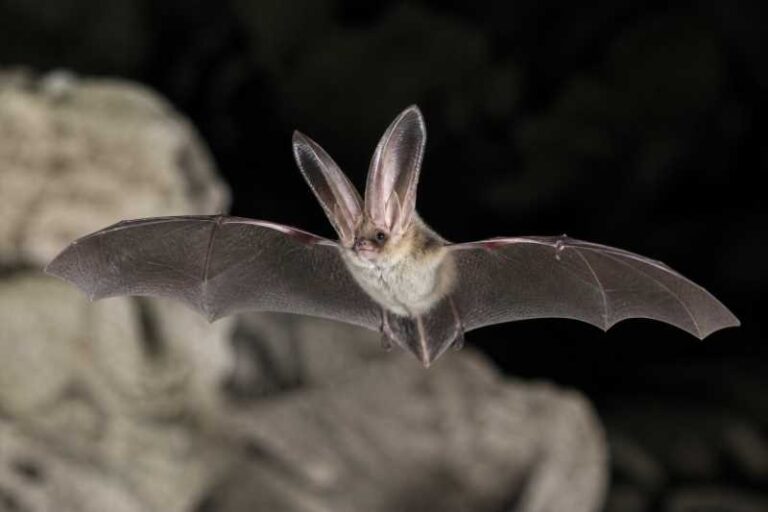
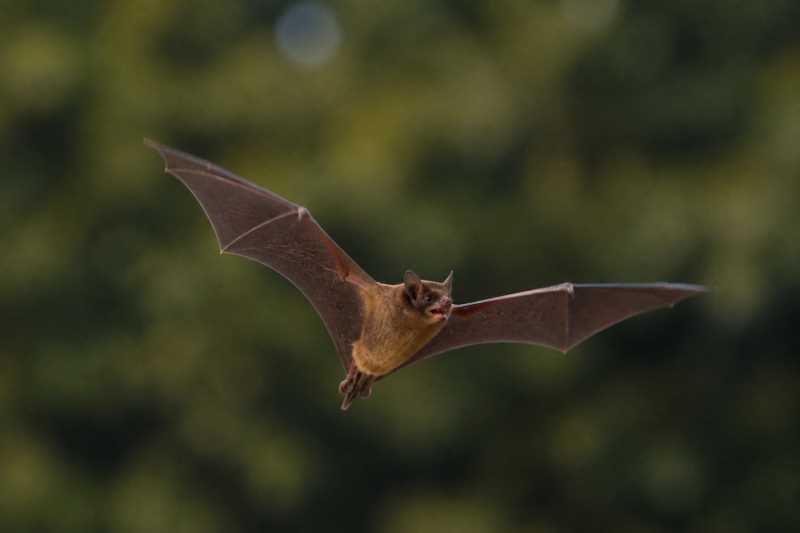
The Greater Noctule is the largest bat species found in Europe, and its size is one of its most distinguishing features. With a wingspan ranging from 40 to 46 centimeters (approximately 16 to 18 inches) and a body length of 8 to 10 centimeters (about 3 to 4 inches), it is notably larger than most other bat species. The bat’s weight can range between 41 to 76 grams.
Its fur is a reddish-brown to dark brown, providing excellent camouflage against the bark of trees, where it often roosts. The underparts are slightly paler, offering a subtle contrast. The ears are relatively small and rounded compared to its body size, while the muzzle is broad, giving it a robust appearance. This species also features a distinctive tragus—a small, fleshy projection inside the ear—which aids in echolocation.
Range and Habitat
The Greater Noctule Bat’s range extends across southern and central Europe, with populations also documented as far east as the Caucasus and as far south as the northern fringes of Africa. However, its distribution is somewhat patchy, primarily due to its specific habitat requirements.
This species favors deciduous and mixed forests, particularly those with old, mature trees that provide suitable roosting sites. These forests are often found in lowland areas, although the Greater Noctule has also been observed at altitudes of up to 1,500 meters. The presence of water bodies nearby is crucial, as these areas tend to have higher insect activity, which is vital for the bat’s diet.
During the winter months, the Greater Noctule may migrate to milder regions to hibernate, although some populations remain resident if conditions allow.
Behavior and Diet
The Greater Noctule is primarily nocturnal, as its name suggests, and it is most active during the night when it forages for food. Unlike many other bat species, the Greater Noctule has a diet that includes both insects and small birds, making it an occasional carnivore.
Its diet primarily consists of large moths, beetles, and other flying insects. However, during the migratory seasons of small passerine birds, the Greater Noctule has been observed preying on these birds in flight, showcasing its impressive aerial hunting skills. This behavior, while rare among bats, is a testament to the Greater Noctule’s versatility as a predator.
The bat employs echolocation to navigate and hunt, emitting high-frequency sounds that bounce off objects and return as echoes, allowing it to construct a sonic map of its surroundings.
Identification Tips (Field Recognition Cues)
Identifying the Greater Noctule in the field can be challenging due to its nocturnal habits and the height at which it flies. However, there are several cues that can aid in its identification:
- Size: Its large wingspan and body size are key indicators.
- Flight Pattern: The Greater Noctule exhibits a powerful and direct flight, often at higher altitudes than smaller bat species.
- Calls: Its echolocation calls, which can be detected using bat detectors, are distinctively lower in frequency compared to smaller bats.
- Roosting Sites: Look for old trees with cavities, as these are preferred roosting spots.
Conservation Status (With Threats and Protections)
The Greater Noctule is currently classified as Near Threatened on the IUCN Red List. Its population is believed to be declining due to several threats, primarily habitat loss and degradation. The conversion of old-growth forests into managed forests or agricultural land reduces the availability of suitable roosting sites.
Additionally, the use of pesticides has a detrimental effect on insect populations, which in turn impacts the food availability for the Greater Noctule. Climate change also poses a threat, potentially altering the bat’s habitat and food supply.
Conservation efforts are focused on protecting and restoring habitats, including promoting sustainable forestry practices and safeguarding mature woodlands. Legal protections under the European Habitats Directive also help protect this species by preserving critical habitats and mitigating human disturbances.
Frequently Asked Questions
Why is this species unique?
The Greater Noctule is unique primarily due to its size and dietary habits. As the largest bat in Europe, it stands out among its peers, and its occasional predation on small birds distinguishes it from most other bat species, which are strictly insectivorous.
What role does the Greater Noctule play in its ecosystem?
The Greater Noctule plays a vital role in controlling insect populations, thus maintaining ecological balance. Its occasional consumption of small birds also indicates its role in regulating bird populations during migration periods.
How does the Greater Noctule use echolocation?
The Greater Noctule uses echolocation to navigate and hunt, emitting high-frequency sounds that bounce off objects and return as echoes. These echoes help the bat form a sonic map of its environment, allowing it to detect and capture prey even in complete darkness.
What are the main threats to the Greater Noctule?
The primary threats to the Greater Noctule include habitat loss due to deforestation and land conversion, declining insect populations from pesticide use, and climate change, which may alter its habitat and food availability.
How can we help conserve the Greater Noctule?
Conservation efforts can be supported by advocating for sustainable forestry practices, reducing pesticide use to protect insect populations, and raising awareness about the importance of preserving mature forests. Supporting legislation aimed at habitat protection can also contribute significantly to the conservation of this remarkable species.
Related posts