Yucatan Poorwill: The Nocturnal Enigma of the Yucatán Peninsula
The Yucatan Poorwill (Nyctiphrynus yucatanicus) is a captivating bird species that has intrigued ornithologists and bird enthusiasts alike. Part of the nightjar family, this elusive nocturnal bird is native to the Yucatán Peninsula, encompassing regions in Mexico, Belize, and Guatemala. Despite its common name, the Yucatan Poorwill is not closely related to the more familiar Whip-poor-will found in North America, but it shares some fascinating behavioral and ecological traits.
Habitat and Distribution
The Yucatan Poorwill thrives in a variety of habitats, predominantly within the subtropical or tropical dry forests and dry scrublands of the Yucatán Peninsula. This bird has adapted remarkably well to the arid and semi-arid conditions of its environment, often inhabiting dense thickets and understory vegetation where it can remain concealed during the daylight hours. They are most commonly found at low elevations, although some populations might venture into more elevated areas if the conditions are favorable.
Physical Characteristics
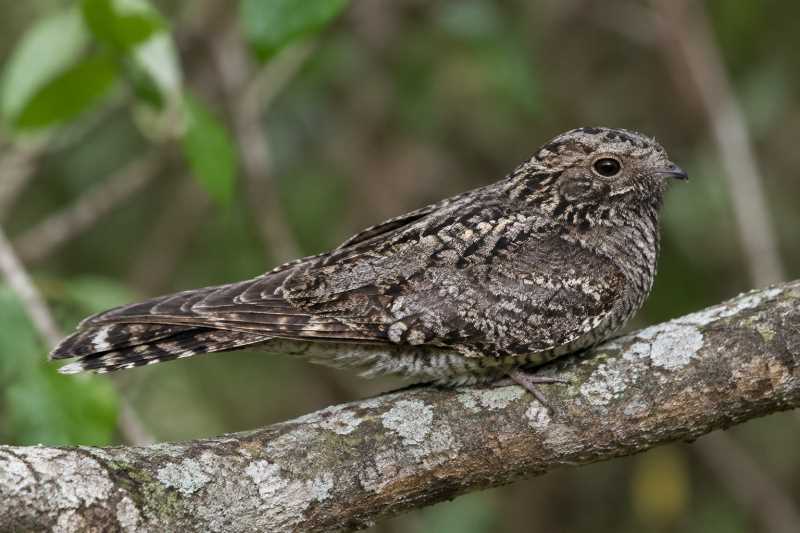
The Yucatan Poorwill is a small bird, measuring about 19 to 21 centimeters in length, and weighing approximately 30 to 40 grams. Its plumage is a complex mosaic of gray, brown, and black patterns, providing it with superb camouflage against the forest floor. This cryptic coloration is essential for its survival, allowing it to remain undetected by predators and by the unsuspecting prey it ambushes. Additionally, the bird possesses large eyes, which are an adaptation to its nocturnal lifestyle, enhancing its ability to navigate and hunt in low light conditions.
Behavior and Diet
Being a nocturnal creature, the Yucatan Poorwill is most active during the twilight hours and throughout the night. It is known for its distinctive calls, which can be heard echoing through the forests at dusk and dawn. These vocalizations are vital for communication between individuals, particularly during the breeding season.
The diet of the Yucatan Poorwill primarily consists of insects. Like other nightjars, it employs a sit-and-wait predation strategy, perching quietly until unsuspecting insects come within striking distance. Its wide gape allows it to capture a variety of insects, including moths, beetles, and other flying arthropods. This feeding behavior makes it an important component of the local ecosystem, contributing to insect population control.
Reproduction and Lifespan
Little is known about the breeding habits of the Yucatan Poorwill, largely due to its elusive nature and the dense habitats it prefers. However, it is believed that, like other nightjars, it nests on the ground. The female typically lays one or two eggs directly on the leaf litter, relying on her cryptic plumage for concealment. The incubation period is assumed to last around 18 to 20 days, with both parents likely involved in feeding and caring for the chicks.
The lifespan of the Yucatan Poorwill in the wild is not well-documented, but it is speculated that they may live up to five years or more, similar to related species. Predation and habitat disturbances, however, can impact their survival rates significantly.
Conservation Status
Currently, the Yucatan Poorwill is listed as Least Concern on the IUCN Red List. Despite this seemingly secure status, there are potential threats that could impact its population in the future. Habitat destruction, primarily due to agricultural expansion and urban development, poses a significant risk. Additionally, climate change may alter the ecological dynamics of the Yucatán Peninsula, potentially affecting the availability of suitable habitats and prey.
Conservation efforts for the Yucatan Poorwill should focus on habitat preservation and the establishment of protected areas. Continued research is essential to better understand its ecology, behavior, and population dynamics. This knowledge will be crucial in devising effective conservation strategies to ensure the long-term survival of this enigmatic species.
Conclusion
The Yucatan Poorwill stands as a testament to the rich biodiversity of the Yucatán Peninsula. Its unique adaptations and ecological role highlight the complexity and beauty of nocturnal avian life. As we continue to explore and understand the natural world, the Yucatan Poorwill reminds us of the intricate web of interactions that sustain ecosystems and the importance of conserving these delicate balances.
With ongoing efforts to protect its habitat and more comprehensive studies into its life history, the Yucatan Poorwill can continue to thrive in its native environment, offering future generations the chance to experience its enigmatic presence in the wild.
Related posts