Northern Roundleaf Bat (Hipposideros stenotis): A Comprehensive Guide
Introduction
The Northern Roundleaf Bat, scientifically known as Hipposideros stenotis, is a fascinating and integral component of the mammalian biodiversity within its native range. This species, belonging to the family Hipposideridae, is distinguished by its unique morphological features and ecological roles. Despite its modest size, the Northern Roundleaf Bat plays a significant role in its ecosystem, contributing to insect population control and serving as an indicator of environmental health.
Bats, in general, face numerous threats, from habitat destruction to climate change, and the Northern Roundleaf Bat is no exception. Understanding the life and challenges of this species is crucial for its conservation and the maintenance of biodiversity in its natural habitat.
Physical Description
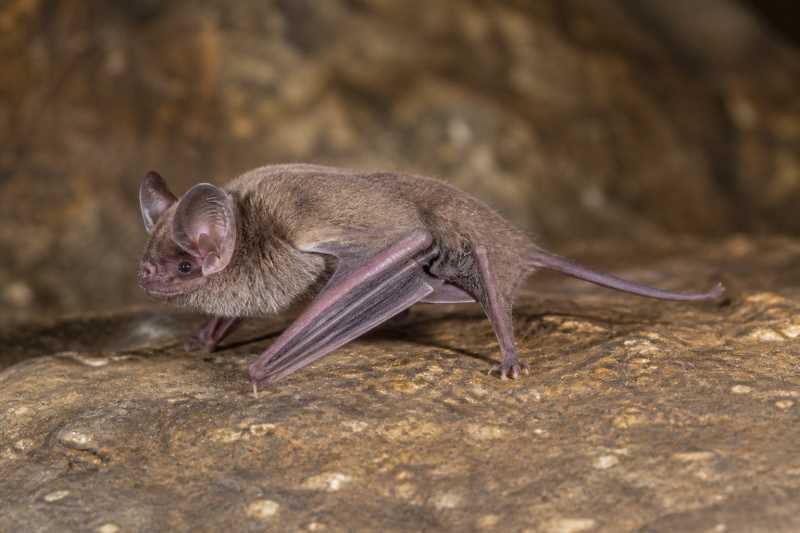
The Northern Roundleaf Bat is a small to medium-sized bat characterized by its distinctive round nose leaf, which is a key feature for species identification. The nose leaf is a fleshy structure that aids in echolocation by focusing sound waves. This bat typically has a body length ranging from 40 to 50 millimeters and a wingspan that extends to approximately 300 millimeters.
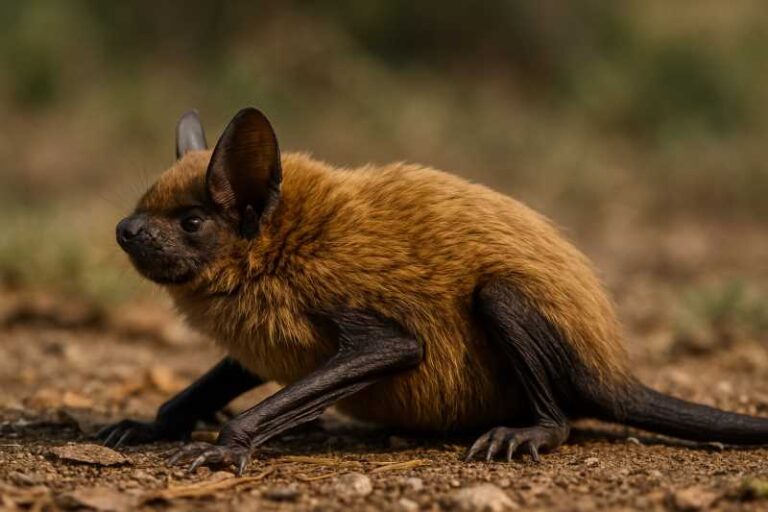
The fur of the Northern Roundleaf Bat is generally a greyish-brown, providing excellent camouflage against the bark of trees and cave walls. Its ears are relatively large and pointed, aiding in its exceptional hearing capabilities. The wings are long and narrow, adapted for agile flight through dense forest canopies.
Range and Habitat
Hipposideros stenotis is primarily found in the tropical and subtropical regions of northern Australia and parts of Southeast Asia. This species thrives in a variety of habitats, including rainforests, mangroves, and savannah woodlands. The bat’s adaptability to different environments is a testament to its evolutionary success.
Caves, rock crevices, and abandoned mines often serve as roosting sites for the Northern Roundleaf Bat. These locations provide the necessary shelter and stable microclimate required for their survival. During the day, these bats rest in these secluded spaces, emerging at dusk to forage for food.
Behavior and Diet
The Northern Roundleaf Bat is primarily nocturnal, engaging in most of its activities during the night. It employs echolocation to navigate and hunt in complete darkness. The bat emits high-frequency sound waves that bounce off objects, allowing it to detect prey and obstacles.
Diet-wise, the Northern Roundleaf Bat is insectivorous, feeding predominantly on moths, beetles, and other small insects. This dietary preference not only helps control insect populations but also supports the ecological balance within its habitat. The bat’s hunting strategy involves agile flight maneuvers and acute auditory senses to locate and capture prey mid-air.
Identification Tips (Field Recognition Cues)
Identifying the Northern Roundleaf Bat in the field involves observing several key features:
- Nose Leaf: Look for the characteristic round nose leaf that distinguishes this species from other bats.
- Fur Color: Note the greyish-brown fur that blends well with natural surroundings.
- Ear Shape: The pointed, large ears are a telltale sign of the species.
- Flight Pattern: Observe the agile and erratic flight, typical of insectivorous bats.
- Roosting Behavior: Spot them in caves or under dense foliage during daytime.
Conservation Status (with Threats and Protections)
The IUCN Red List currently lists the Northern Roundleaf Bat as a species of Least Concern, primarily due to its wide distribution and presumed large population. However, the species faces several threats that could impact its future.
Threats
- Habitat Loss: Deforestation and land conversion for agriculture pose significant threats to their natural habitats.
- Climate Change: Altered weather patterns can affect food availability and roosting sites.
- Mining: Disturbance from mining activities can lead to loss of critical roosting habitats.
Protections
- Protected Areas: Some regions within their range have been designated as protected areas, safeguarding critical habitats.
- Conservation Programs: Initiatives focusing on habitat restoration and environmental education are essential for their protection.
- Research and Monitoring: Continued research is vital to monitor population trends and understand ecological requirements.
Frequently Asked Questions
1. What is the diet of the Northern Roundleaf Bat?
The Northern Roundleaf Bat primarily feeds on insects, including moths and beetles. Its insectivorous diet plays a crucial role in controlling pest populations within its ecosystem.
2. Where can the Northern Roundleaf Bat be found?
This species is found in northern Australia and parts of Southeast Asia, inhabiting rainforests, mangroves, and woodland areas. They typically roost in caves, crevices, and sometimes abandoned mines.
3. How does the Northern Roundleaf Bat use echolocation?
The Northern Roundleaf Bat uses echolocation by emitting high-frequency sound waves that bounce off objects in its environment. This process allows the bat to navigate and hunt for prey in complete darkness.
4. What are the main threats to the Northern Roundleaf Bat?
Main threats include habitat loss due to deforestation, climate change, and disturbances from mining activities that affect their roosting sites.
5. How can we help conserve the Northern Roundleaf Bat?
Conservation efforts can be supported by protecting natural habitats, participating in habitat restoration projects, and advocating for policies that reduce habitat destruction.
Related posts