
The Enigmatic Pintado Petrel: Nature’s Seafaring Nomad
In the vastness of the Southern Ocean, where icy winds sweep across tumultuous waves, resides a remarkable seabird known as the Pintado Petrel or Cape Petrel (Daption capense). This avian marvel, characterized by its striking plumage and resilient nature, is a testament to the adaptability and endurance of life in some of the planet’s most hostile environments.
A Portrait in Plumage
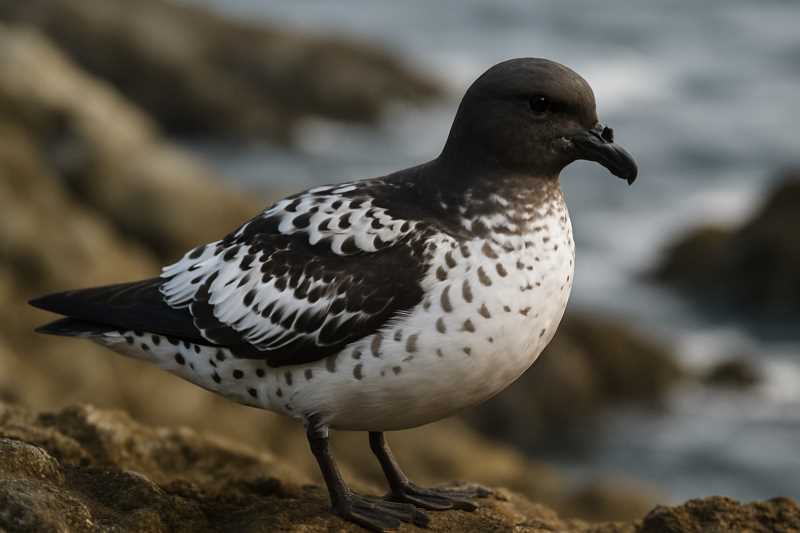
The Pintado Petrel is easily recognizable by its distinctive coloring, which lends it the nickname ‘Pintado’, meaning ‘painted’ in Spanish. The bird’s upper body is adorned with a checkerboard pattern of black and white patches, while its underparts remain a pristine white. This unique plumage not only provides an aesthetic appeal but also serves as camouflage against the backdrop of the oceanic expanse, protecting it from potential predators. Measuring about 35 to 40 centimeters in length, with a wingspan extending up to 90 centimeters, the Pintado Petrel is a medium-sized bird, perfectly adapted for life at sea.
Habitat and Distribution
The Pintado Petrel is predominantly found in the Southern Hemisphere, thriving in the Antarctic and sub-Antarctic regions. Its range extends from the Antarctic ice edges to the southern coasts of continents like South America, Africa, Australia, and New Zealand. The bird’s migratory patterns are influenced by seasonal changes, often moving northward during the harsh Antarctic winter to more temperate zones.
These seabirds are pelagic, spending most of their lives on the open ocean. They are adept at gliding over the water’s surface, utilizing wind currents to conserve energy during long flights. The Pintado Petrel is a true oceanic wanderer, rarely setting foot on land except during the breeding season.
Breeding and Nesting
Breeding colonies of Pintado Petrels are found on isolated islands scattered throughout the Southern Ocean. The breeding season typically begins in November, coinciding with the southern summer. These birds prefer rocky cliffs and scree slopes for nesting, where they lay a single egg in a simple scrape or shallow burrow.
Both parents share the responsibility of incubating the egg, which takes about 45 days to hatch. Once the chick emerges, it remains in the nest for another 45 to 55 days, during which it is fed regurgitated food by both parents. The diet primarily consists of krill, squid, and small fish, which the adults skillfully catch at sea.
Feeding Habits and Diet
The Pintado Petrel is an opportunistic feeder, making the most of the rich marine resources available in its habitat. Its diet primarily consists of krill, small fish, and squid, which it captures with remarkable agility using its wings and bill. These birds are known to follow ships, scavenging for offal and refuse, earning them the nickname ‘Cape Pigeon’ due to their pigeon-like behavior.
Their feeding strategy often involves skimming the ocean surface, but they are also capable divers, plunging below the surface to pursue prey. The Pintado Petrel’s keen eyesight and rapid flight make it an efficient hunter, perfectly adapted to the dynamic and demanding conditions of the Southern Ocean.
Conservation Status and Threats
Currently, the Pintado Petrel is listed as Least Concern by the International Union for Conservation of Nature (IUCN), indicating a stable population. However, like many seabirds, it faces threats from climate change, which affects prey availability and alters marine ecosystems. Additionally, human activities such as overfishing and plastic pollution pose significant risks to their survival.
Predation by invasive species on breeding islands, such as rats and cats, also threatens nesting success. Conservation efforts are vital to ensure these birds continue to thrive. Protecting breeding habitats and mitigating human-induced impacts are crucial steps in maintaining their populations.
The Pintado Petrel’s Role in the Ecosystem
As a key component of the marine ecosystem, the Pintado Petrel plays a significant role in nutrient cycling and energy transfer within its habitat. By preying on small marine organisms, it helps regulate their populations, maintaining a balance in the food web. Additionally, their guano provides essential nutrients that support plant life on breeding islands.
The Pintado Petrel’s presence is also an indicator of ocean health, with changes in its population and distribution providing valuable insights into the impacts of environmental changes on marine ecosystems.
Conclusion
The Pintado Petrel is a captivating testament to the beauty and resilience of nature. Its ability to thrive in the harsh conditions of the Southern Ocean is a reminder of the intricate and delicate balance of life on Earth. As we continue to learn more about these remarkable birds, it becomes increasingly important to protect their habitats and ensure the sustainability of their populations for future generations.
Through concerted conservation efforts and a deeper understanding of their ecological importance, we can help safeguard the Pintado Petrel, ensuring that this painted wanderer continues to grace our oceans for years to come.
Related posts


