Introduction
The Northern Groove-toothed Shrew Mouse, scientifically known as Microhydromys richardsoni, is a fascinating and lesser-known member of the rodent family, native to the remote regions of New Guinea. This elusive mammal, part of the Muridae family, has piqued the interest of researchers due to its unique adaptations and ecological role. As a species that thrives in specific habitats, understanding its characteristics and behaviors is critical for conservation efforts. This article delves into the intriguing world of the Northern Groove-toothed Shrew Mouse, exploring its physical description, habitat, behavior, and more.
Physical Description
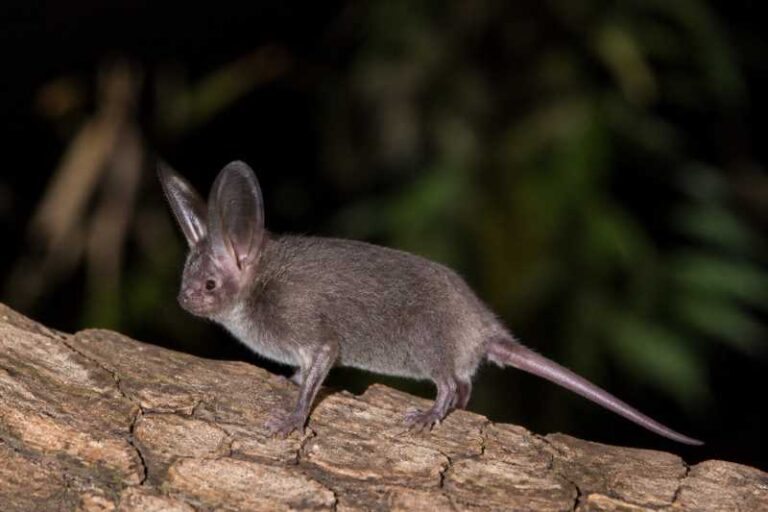
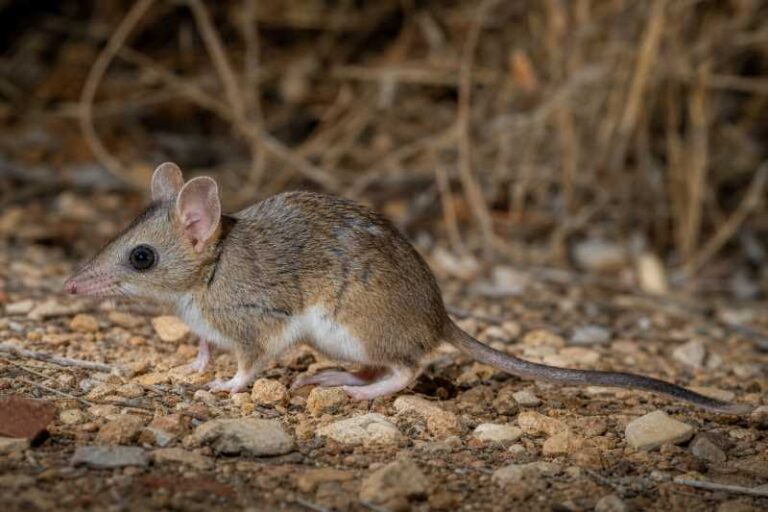
The Northern Groove-toothed Shrew Mouse is a small rodent, with adults typically measuring between 8 to 10 centimeters in body length, not including the tail, which adds an additional 7 to 9 centimeters. They have a relatively light body weight, averaging around 15 to 25 grams. Their fur is dense and soft, providing insulation against the cool temperatures of their high-altitude habitats. The coloration of their fur ranges from a dark brown to a lighter, more reddish hue, which offers camouflage against the forest floor.
One of the distinctive features of this species is its grooved incisors, which give the shrew mouse its common name. These grooves may play a role in their foraging habits, aiding them in processing their insectivorous diet. Their small, rounded ears and short whiskers are adapted to their subterranean and nocturnal lifestyle. The eyes are relatively small, reflecting their reliance on other senses such as touch and smell for navigation and food detection.
Range and Habitat
The Northern Groove-toothed Shrew Mouse is endemic to the montane forests of northern New Guinea. They are typically found at elevations between 1,500 to 3,000 meters, where the environment is cool and humid. These forests are characterized by dense undergrowth, abundant leaf litter, and a rich variety of invertebrates, which constitute the primary diet of these shrew mice.
Their habitat is often within close proximity to streams and other bodies of water, reflecting their semi-aquatic tendencies. The forest floor provides ample cover and foraging opportunities, while the proximity to water sources supports their hydration needs and potentially their prey’s abundance.
Behavior and Diet
The Northern Groove-toothed Shrew Mouse is primarily nocturnal, engaging in most of its foraging activities under the cover of darkness. This behavior helps evade predators and exploit the cooler night temperatures. They are solitary creatures, with interactions between individuals occurring mainly during the breeding season.
In terms of diet, these shrew mice are insectivorous, feeding on a variety of invertebrates such as insects, spiders, and other small arthropods. Their grooved incisors are particularly adept at handling and processing their prey, allowing them to efficiently extract necessary nutrients.
Identification Tips
Identifying the Northern Groove-toothed Shrew Mouse in the field can be challenging due to their elusive nature. However, there are several key features to look for:
- Size and Shape: Small size with a slender body, rounded ears, and a relatively long tail.
- Fur Texture and Color: Dense, soft fur with coloration ranging from dark brown to reddish-brown.
- Teeth: Distinctive grooved incisors.
- Habitat: Presence in montane forest regions near streams or water bodies.
- Activity Patterns: Nocturnal activity, often detected by their rustling in leaf litter at night.
Conservation Status
The conservation status of the Northern Groove-toothed Shrew Mouse is currently listed as Data Deficient by the International Union for Conservation of Nature (IUCN). This classification highlights the lack of comprehensive data on their population trends and distribution, which is a significant barrier to effective conservation planning.
Threats to this species primarily stem from habitat destruction due to logging, agricultural expansion, and climate change, which alters their montane forest habitats. Additionally, the introduction of non-native species poses a threat through competition and predation.
Conservation efforts focus on habitat protection and research to better understand their ecology and population dynamics. Establishing protected areas and implementing sustainable land-use practices are crucial steps in safeguarding the future of this species.
Frequently Asked Questions
Q1: What do Northern Groove-toothed Shrew Mice eat?
A: Northern Groove-toothed Shrew Mice primarily feed on invertebrates such as insects, spiders, and other small arthropods. Their grooved teeth aid in processing this diet efficiently.
Q2: Where can Northern Groove-toothed Shrew Mice be found?
A: They are found in the montane forests of northern New Guinea, typically at elevations between 1,500 to 3,000 meters, often near streams and water bodies.
Q3: Are Northern Groove-toothed Shrew Mice endangered?
A: The species is currently listed as Data Deficient by the IUCN due to the lack of comprehensive data on their populations. However, they face threats from habitat destruction and climate change.
Q4: How can I identify a Northern Groove-toothed Shrew Mouse in the wild?
A: Look for a small rodent with dense fur, grooved incisors, a slender body, and a long tail, typically in montane forest regions at night.
Q5: What conservation measures are in place for Northern Groove-toothed Shrew Mice?
A: Conservation efforts focus on habitat protection and research to better understand their ecology, with an emphasis on establishing protected areas and promoting sustainable land use.
Related posts