Introduction
The Greater Congo Shrew, scientifically known as Congosorex polli, is a fascinating yet lesser-known mammal species that plays a crucial role in the biodiversity of the African rainforest ecosystem. Despite its small size, this creature is an integral part of the ecological balance, contributing to the control of insect populations and serving as prey for larger animals. This article delves into the life and characteristics of the Greater Congo Shrew, from its physical description to its conservation status, providing a comprehensive overview for enthusiasts and researchers alike.
Physical Description
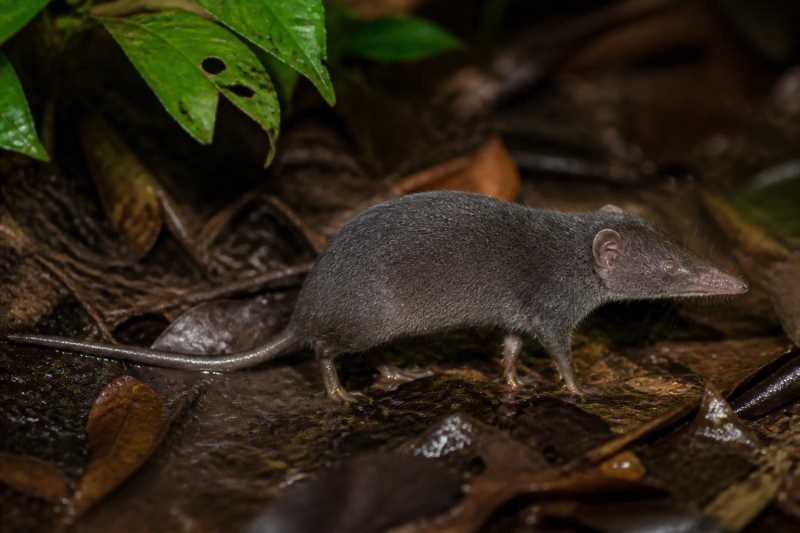
The Greater Congo Shrew is a small mammal, typically measuring between 10 to 15 centimeters in length, including its short tail. Its weight ranges from 25 to 50 grams, making it a diminutive yet agile creature. This shrew is characterized by its dense, velvety fur, which is predominantly dark gray or brown, allowing it to blend seamlessly into the forest floor’s leaf litter.
One of the most distinctive features of the Greater Congo Shrew is its elongated snout, which it uses adeptly to forage for insects and other small invertebrates. Its eyes are relatively small, and it relies more on its keen sense of smell and hearing to navigate its environment. The shrew’s limbs are short but strong, equipped with sharp claws that aid in digging and climbing through the dense underbrush.
Range and Habitat
The Greater Congo Shrew is primarily found in the central African rainforests, with its range extending through countries such as the Democratic Republic of the Congo, Gabon, and parts of Cameroon. These dense, humid forests provide an ideal habitat for the shrew, offering abundant food sources and ample cover from predators.
This species typically inhabits the forest floor, where it can take advantage of the thick leaf litter and decaying wood to find food and build its nests. Occasional sightings in secondary forests and disturbed areas suggest some degree of adaptability, though the shrew prefers undisturbed, mature forest ecosystems for optimal living conditions.
Behavior and Diet
Greater Congo Shrews are primarily nocturnal, spending their nights foraging for food under the cover of darkness. Their diet consists mainly of insects, spiders, and other small invertebrates, which they locate using their acute sense of smell. The shrew’s rapid metabolism requires it to consume a substantial amount of food relative to its body size, necessitating almost constant foraging.
Social behavior in Greater Congo Shrews is not well-documented, but they are generally believed to be solitary animals, coming together only for mating purposes. The details of their reproductive behavior remain largely unknown, but like many shrew species, they are likely to have multiple litters per year, with a gestation period of around three weeks.
Identification Tips
Identifying the Greater Congo Shrew in the wild requires a keen eye and understanding of its distinct features. One of the most reliable identification cues is its size and coloration—look for a small mammal with dark, velvety fur. Observers should also note the elongated snout, which is a key characteristic of shrews.
In terms of behavior, the shrew’s rapid, scurrying movements and tendency to remain close to the ground can help distinguish it from other small mammals in the rainforest. Listening for rustling sounds in the leaf litter during nighttime can also aid in locating these elusive creatures.
Conservation Status
The Greater Congo Shrew is currently classified as Least Concern on the IUCN Red List, indicating that while the species is not immediately threatened, it could face risks in the future. The primary threats to its survival include habitat destruction due to logging, agricultural expansion, and infrastructure development, which lead to the fragmentation of its natural habitat.
Conservation efforts aimed at protecting the Greater Congo Shrew focus on preserving its rainforest habitat. Initiatives include the establishment of protected areas and wildlife reserves, as well as community-based programs that promote sustainable land use practices. Continued research and monitoring are essential to ensure that population levels remain stable and that the species does not become endangered.
Frequently Asked Questions
What is the habitat of the Greater Congo Shrew?
The Greater Congo Shrew inhabits the dense rainforests of central Africa, preferring areas with thick leaf litter and abundant insect life. It is primarily found in the Democratic Republic of the Congo, Gabon, and Cameroon.
How can I identify a Greater Congo Shrew in the wild?
Look for a small mammal with dark gray or brown velvety fur and an elongated snout. The shrew’s rapid, scurrying movements and preference for staying close to the ground are also key identification cues.
What does the Greater Congo Shrew eat?
The Greater Congo Shrew has an insectivorous diet, primarily feeding on insects, spiders, and other small invertebrates. Its keen sense of smell helps it locate food in the dark.
Is the Greater Congo Shrew endangered?
Currently, the Greater Congo Shrew is classified as Least Concern on the IUCN Red List, but it faces potential threats from habitat destruction and fragmentation. Conservation efforts are in place to protect its habitat and ensure its survival.
Why is the Greater Congo Shrew important to the ecosystem?
The Greater Congo Shrew plays a vital role in controlling insect populations, contributing to the ecological balance of the rainforest. It also serves as prey for larger animals, forming an integral part of the food chain.
Related posts