The Elusive Sierra Nevada Antpitta: A Jewel of the Colombian Andes
In the mist-laden forests of the Sierra Nevada de Santa Marta, an isolated mountain range in northern Colombia, resides a bird so elusive and enigmatic that it has intrigued ornithologists and birdwatchers alike. The Sierra Nevada Antpitta (Grallaria spatiator) is a testament to the incredible biodiversity and endemism of this unique region, which is often referred to as the world’s most irreplaceable site for threatened species.
A Rare Gem of the Andes
The Sierra Nevada Antpitta is a member of the Grallariidae family, known for their secretive nature and distinctive calls. First described in 2017, Grallaria spatiator is an excellent example of how much there is yet to discover about the avifauna of the Neotropics. This species is endemic to the Sierra Nevada de Santa Marta, meaning it is found nowhere else on Earth.
These antpittas inhabit the dense undergrowth of montane forests, typically at elevations ranging from 1,800 to 2,500 meters. The rugged terrain and dense vegetation make access challenging, contributing to the bird’s elusive nature. Despite these difficulties, the Sierra Nevada de Santa Marta remains a hotspot for biodiversity, and the Sierra Nevada Antpitta is a shining example of the avian diversity found in this region.
Physical Characteristics and Behavior
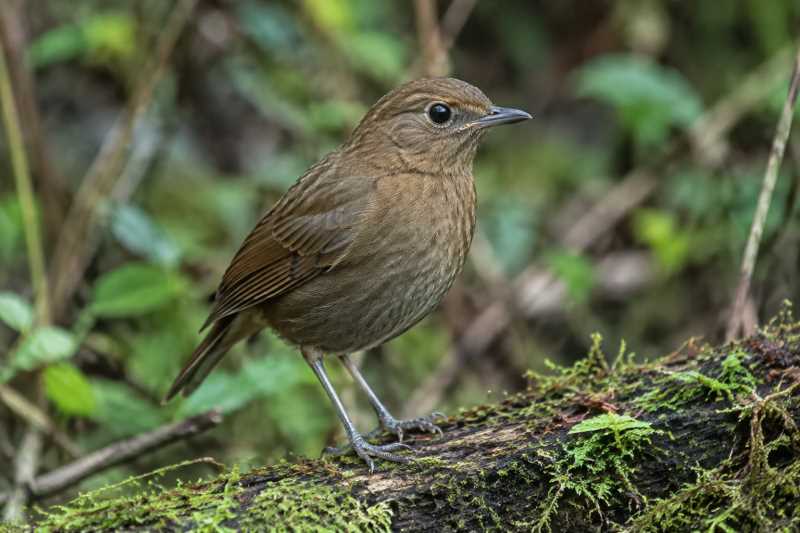
The Sierra Nevada Antpitta is a medium-sized bird, measuring approximately 17 to 18 centimeters in length. It exhibits the characteristic features of antpittas: stout legs, a large head, and a short tail. Its plumage is primarily brown, with subtle variations of rufous and gray, providing excellent camouflage in its forest habitat.
One of the defining features of this antpitta is its vocalization. Like many of its relatives, the Sierra Nevada Antpitta is more often heard than seen. Its call is a series of resonant, flute-like notes that echo through the forest, a haunting melody that has captivated those fortunate enough to hear it.
The bird’s diet primarily consists of insects and other invertebrates, which it forages for on the forest floor. Utilizing its strong legs, the antpitta hops and darts among the leaf litter, using its keen eyesight to detect prey. This foraging behavior, combined with the bird’s cryptic plumage, makes it a master of stealth.
Conservation Status and Threats
The Sierra Nevada Antpitta is currently classified as Vulnerable by the International Union for Conservation of Nature (IUCN). This classification is due to its restricted range and the ongoing threats to its habitat. Deforestation, driven by agricultural expansion, logging, and human settlement, poses a significant risk to the montane forests of the Sierra Nevada de Santa Marta.
Efforts to conserve this unique habitat are crucial for the survival of the Sierra Nevada Antpitta and countless other species that call this region home. Conservation organizations and local communities are working together to establish protected areas and promote sustainable land-use practices. Ecotourism, focused on birdwatching, presents an opportunity to generate income while fostering conservation awareness.
The Importance of Continued Research
The discovery of the Sierra Nevada Antpitta is a reminder of the rich biodiversity that remains to be explored and understood. Continued research and monitoring are vital to uncovering the mysteries of this elusive bird and the ecosystem it inhabits. Understanding its ecology, behavior, and population dynamics will inform conservation strategies and ensure the long-term survival of the species.
Technological advancements, such as bioacoustic monitoring and remote sensing, offer new tools for researchers studying hard-to-reach environments like the Sierra Nevada de Santa Marta. These tools, combined with traditional fieldwork, can provide valuable insights into the habitat requirements and distribution of the Sierra Nevada Antpitta.
Conclusion
The Sierra Nevada Antpitta is a symbol of the natural wealth and scientific potential of Colombia’s montane forests. Protecting this species requires a concerted effort from scientists, conservationists, and local communities. By safeguarding the delicate ecosystems of the Sierra Nevada de Santa Marta, we not only preserve the Sierra Nevada Antpitta but also contribute to the global effort to protect biodiversity.
As the world continues to grapple with environmental challenges, the story of the Sierra Nevada Antpitta serves as a poignant reminder of what we stand to lose if we fail to act. It calls upon us to cherish and protect the natural wonders that still grace our planet, ensuring that future generations can continue to marvel at the beauty and diversity of life.
Related posts