Camiguin Forest Rat (Bullimus gamay): A Comprehensive Overview
Introduction
The Camiguin Forest Rat, scientifically known as Bullimus gamay, is a fascinating species of rodent that is endemic to the Philippines. This elusive mammal is primarily found on the island of Camiguin, a location renowned for its rich biodiversity and unique wildlife. As a member of the Muridae family, the Camiguin Forest Rat plays a crucial role in its ecosystem, contributing to seed dispersal and serving as a prey species for various predators. This article delves into the intriguing aspects of this species, including its physical description, habitat, behavior, and conservation status, providing a comprehensive understanding of the Camiguin Forest Rat.
Physical Description
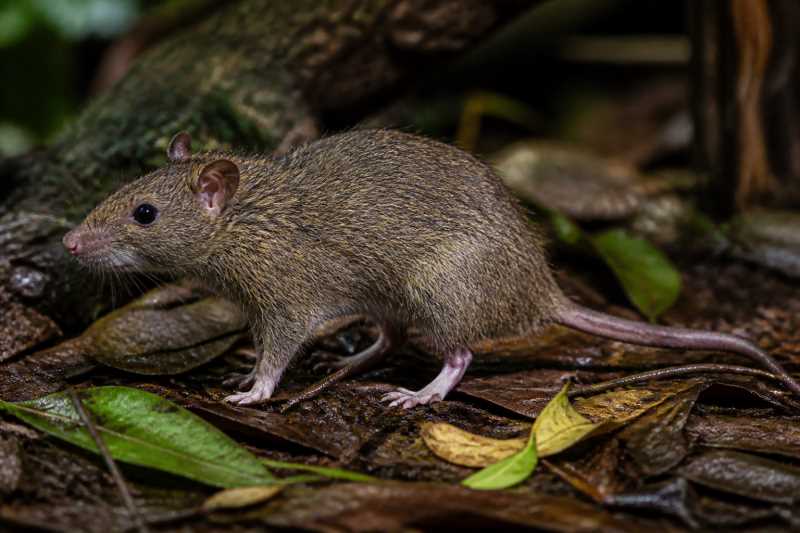
The Camiguin Forest Rat is a small to medium-sized rodent characterized by its robust body and distinctive morphological features. The average adult weighs around 200 to 250 grams, with a body length ranging from 20 to 25 centimeters, excluding the tail. The tail itself is slightly shorter than the body, measuring approximately 15 to 20 centimeters. The fur of Bullimus gamay is typically dense and coarse, with a coloration that varies from dark brown to grayish on the dorsal side and a lighter, almost white hue on the ventral side. This coloration provides effective camouflage in its natural forested environment.
One of the distinguishing features of the Camiguin Forest Rat is its relatively large ears and eyes, which are adaptations for its nocturnal lifestyle. The limbs are strong and well-suited for climbing and burrowing, with sharp claws that aid in gripping and digging. The dental formula of Bullimus gamay is typical of the Muridae family, with strong incisors adapted for gnawing.
Range and Habitat
As its name suggests, the Camiguin Forest Rat is native to the island of Camiguin in the Philippines. This island is part of the Mindanao group and is known for its volcanic landscapes and diverse ecosystems. The species predominantly inhabits primary and secondary forests, where it finds ample cover and food resources. These forests range from lowland areas to montane regions, where the cooler climate and abundant vegetation provide an ideal habitat.
The presence of the Camiguin Forest Rat in both untouched and disturbed forests indicates some degree of adaptability. However, it shows a preference for dense understory vegetation, where it can forage and avoid predators. The altitudinal range of this species spans from sea level to approximately 1,500 meters, demonstrating its capacity to thrive in varied environmental conditions.
Behavior and Diet
The Camiguin Forest Rat is primarily nocturnal, with peak activity occurring during the night when it forages for food. This behavior reduces the risk of predation and competition with other diurnal species. The diet of Bullimus gamay is omnivorous, consisting of fruits, seeds, insects, and small invertebrates. This diverse diet aids in seed dispersal, making the species an important ecological player in its habitat.
Socially, the Camiguin Forest Rat is considered to be solitary, with individuals establishing and defending their own territories. Communication among these rats occurs through vocalizations, scent marking, and body language. The breeding season is believed to be influenced by environmental factors, with females producing litters of 2 to 6 young after a gestation period of approximately 30 days. The young are altricial, requiring significant parental care before they become independent.
Identification Tips (Field Recognition Cues)
Identifying the Camiguin Forest Rat in the wild requires attention to several key characteristics:
- Coloration: Look for the distinctive dark brown to grayish fur on the dorsal side with a lighter, whitish belly.
- Size: Note the medium size, with a body length of 20 to 25 cm and a tail slightly shorter than the body.
- Ears and Eyes: Observe the relatively large ears and eyes, adaptations for nocturnal activity.
- Habitat: Focus on primary and secondary forests, particularly areas with dense understory vegetation.
- Activity Pattern: Since they are nocturnal, sightings are more likely during the night.
Conservation Status (With Threats and Protections)
The conservation status of the Camiguin Forest Rat is currently classified as "Data Deficient" by the International Union for Conservation of Nature (IUCN). This classification highlights the need for further research to determine the population size, distribution, and trends of the species.
Threats
Several threats impact the survival of the Camiguin Forest Rat:
- Habitat Loss: Deforestation due to logging, agricultural expansion, and urbanization significantly reduces the available habitat for this species.
- Invasive Species: The introduction of non-native predators, such as cats and dogs, poses a risk to the population.
- Climate Change: Alterations in weather patterns can affect food availability and habitat conditions.
Protections
Efforts to protect the Camiguin Forest Rat include:
- Protected Areas: Establishing and maintaining protected forest areas on Camiguin Island to preserve natural habitats.
- Research and Monitoring: Conducting studies to gather data on population dynamics and ecological roles.
- Community Engagement: Raising awareness among local communities about the importance of conservation and sustainable practices.
Frequently Asked Questions
- What do Camiguin Forest Rats eat?
Camiguin Forest Rats have an omnivorous diet that includes fruits, seeds, insects, and small invertebrates. Their feeding habits help in seed dispersal and maintaining ecological balance.
- Where can the Camiguin Forest Rat be found?
The Camiguin Forest Rat is endemic to the island of Camiguin in the Philippines, inhabiting primary and secondary forests from lowland to montane regions.
- How can I identify a Camiguin Forest Rat?
Look for medium-sized rodents with dark brown to grayish fur, large ears and eyes, and a habitat preference for dense forest understories.
- Are Camiguin Forest Rats endangered?
The conservation status of the Camiguin Forest Rat is "Data Deficient," meaning there is insufficient information to assess its risk of extinction. However, habitat loss and invasive species pose significant threats.
- What is being done to protect the Camiguin Forest Rat?
Protection efforts include establishing protected areas, conducting research, and engaging communities in conservation initiatives to preserve the species and its habitat.
Related posts