Introduction
The Dong Bac Trident Bat, scientifically known as Aselliscus dongbacanus, is a small but remarkable species within the bat family. This elusive mammal has piqued the interest of researchers and bat enthusiasts alike due to its unique features and ecological role. Discovered relatively recently, the Dong Bac Trident Bat is native to Southeast Asia, where it thrives in its natural habitat.
Bats, as a group, play vital roles in ecosystems as pollinators, seed dispersers, and insect population controllers. The Dong Bac Trident Bat is no exception, contributing to the ecological balance within its range. Understanding more about this species is crucial, not only for academic purposes but also to ensure its conservation and the preservation of the habitats it supports.
Physical Description
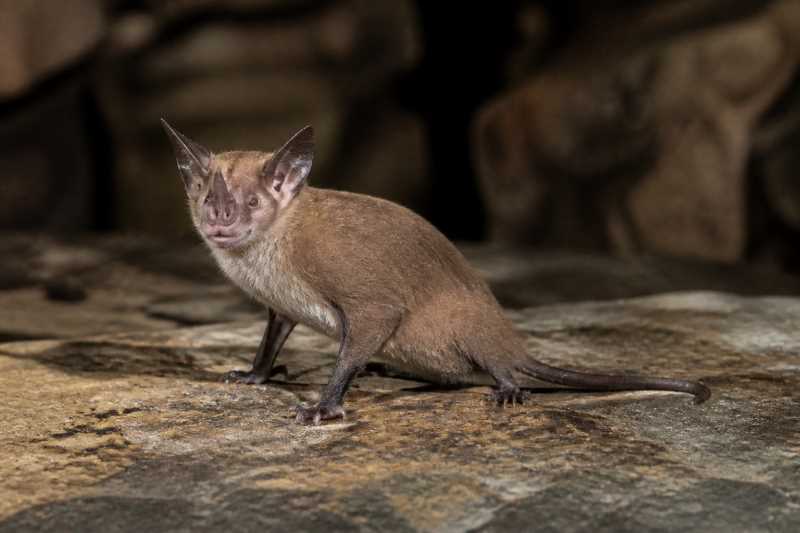
The Dong Bac Trident Bat is characterized by its small size and distinctive facial features. It has a wingspan of approximately 25 to 30 centimeters and weighs between 5 to 8 grams. Its fur is typically a light brown or grey, providing excellent camouflage against the rocky surfaces of its natural habitat.
One of the most distinguishing features of the Dong Bac Trident Bat is its trident-shaped nose-leaf, which aids in echolocation. This unique facial structure is not only a crucial adaptation for navigation and hunting but also helps in identifying this species from others in the field. The ears are large and rounded, offering enhanced hearing capability, crucial for detecting prey and avoiding predators.
The bat’s body is streamlined, with elongated wings that allow for agile flight. The tail is short and partially enclosed within the uropatagium, a membrane that extends between the hind legs. This morphological adaptation assists in maneuverability and balance during flight.
Range and Habitat
The Dong Bac Trident Bat is predominantly found in the northern regions of Vietnam, particularly in the limestone karst landscapes which provide ideal roosting sites. These areas are characterized by caves and crevices that offer protection from predators and harsh environmental conditions.
Its habitat selection is closely linked to the availability of suitable roosting sites and feeding grounds. The bats prefer humid, tropical environments where insect populations are abundant. They are often found in forested areas near water sources, which support a rich diversity of insects.
The geographical range of the Dong Bac Trident Bat is relatively limited, making it vulnerable to habitat disturbances. Conservation efforts are crucial in these regions to ensure the survival of this species and the ecological roles it fulfills.
Behavior and Diet
The Dong Bac Trident Bat is nocturnal, spending its days roosting in caves and emerging at dusk to forage for food. As an insectivorous species, its diet primarily consists of moths, beetles, and other small insects. Echolocation is a key component of its hunting strategy, allowing the bat to detect and capture prey with remarkable precision.
Social behavior in Dong Bac Trident Bats is observed in their roosting habits. They often form small colonies, which provide social interaction and increased protection from predators. Communication among these bats involves a range of vocalizations and physical gestures, essential for coordination during foraging and roosting.
The reproductive cycle of the Dong Bac Trident Bat is not extensively studied, but it is believed to follow a pattern similar to other bat species in the region, with mating occurring in the late summer and early fall, followed by a gestation period that coincides with the availability of food resources.
Identification Tips (Field Recognition Cues)
Identifying the Dong Bac Trident Bat in the field requires attention to several key features:
- Nose-leaf: Look for the distinctive trident-shaped nose-leaf, which is unique to this species.
- Ear Shape: Note the large, rounded ears that are characteristic of the Dong Bac Trident Bat.
- Size: Observe the small size and lightweight body, with a wingspan ranging from 25 to 30 centimeters.
- Fur Color: The bat’s fur is typically light brown or grey, blending well with limestone environments.
- Flight Pattern: The agile and erratic flight pattern is indicative of its hunting style, adapted for catching insects on the wing.
Conservation Status (With Threats and Protections)
The Dong Bac Trident Bat is currently classified as a species of concern due to its limited range and specialized habitat requirements. Habitat destruction, particularly from limestone quarrying and deforestation, poses significant threats to its survival. Additionally, human disturbance in caves can disrupt roosting colonies, leading to population declines.
Conservation efforts are essential to protect the habitats of the Dong Bac Trident Bat. This includes establishing protected areas, promoting sustainable land-use practices, and increasing public awareness about the ecological importance of bats. Research and monitoring programs are also vital to gather data on population trends and habitat use, informing effective conservation strategies.
Frequently Asked Questions
Why is this species unique?
The Dong Bac Trident Bat is unique due to its specialized morphological features, such as the trident-shaped nose-leaf. This adaptation is crucial for echolocation, allowing the bat to navigate and hunt with precision. Its limited geographical range and dependence on specific habitats further contribute to its uniqueness.
What role does it play in the ecosystem?
This bat plays a vital role in controlling insect populations, acting as a natural pest control agent. It also contributes to the overall health of its ecosystem by participating in nutrient cycling and serving as prey for larger predators, thus maintaining the ecological balance.
How can we help conserve this species?
Conservation efforts can be supported by advocating for the protection of limestone karst habitats and reducing human disturbances in bat roosting areas. Supporting organizations that focus on bat conservation and participating in citizen science projects can also make a significant impact.
What are the main threats to its survival?
The primary threats to the Dong Bac Trident Bat include habitat destruction from quarrying and deforestation, as well as human disturbance in roosting sites. Climate change also poses a potential threat by altering the availability of insect prey and suitable roosting conditions.
Are there any specific conservation programs for this species?
While there are no species-specific programs solely dedicated to the Dong Bac Trident Bat, it benefits from broader conservation initiatives aimed at protecting bat habitats in Southeast Asia. Efforts include habitat restoration, legal protection of roosting sites, and public education campaigns to raise awareness about the importance of bats.
Related posts