Introduction
The Northwestern Deermouse, scientifically known as Peromyscus keeni, is a fascinating and adaptable rodent species that inhabits the diverse landscapes of North America. This small mammal is a member of the Cricetidae family and has intrigued researchers and wildlife enthusiasts alike due to its ecological significance and survival strategies in various environments. In this comprehensive article, we delve into the physical characteristics, habitat preferences, behavioral patterns, and conservation status of the Northwestern Deermouse, providing a complete guide for those interested in understanding this remarkable creature.
Physical Description
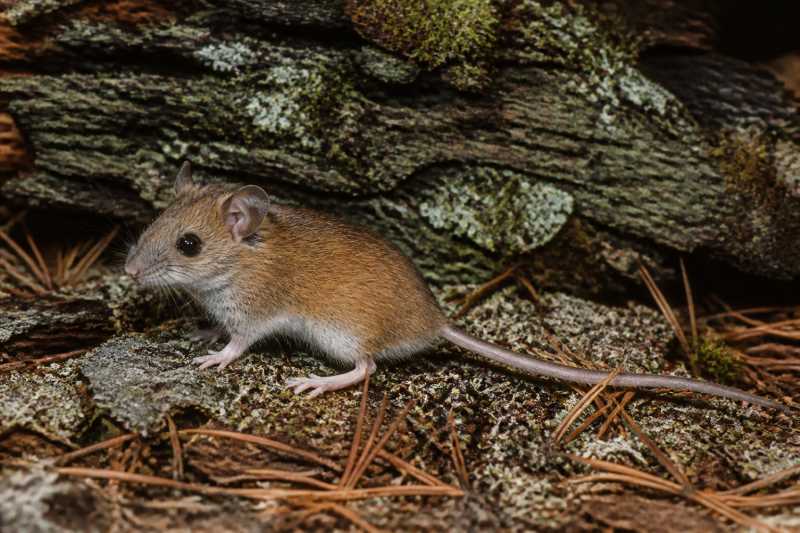
The Northwestern Deermouse is characterized by its small and agile body, which is typically between 15 to 20 centimeters in length, including the tail. It weighs around 15 to 30 grams, making it a lightweight mammal. The fur of the Northwestern Deermouse is generally soft and dense, with a coloration that ranges from grayish-brown to dark brown on the dorsal side, providing excellent camouflage in its natural habitat. The underparts are usually lighter, often white or light gray.
One of the distinguishing features of this species is its large, dark eyes, which give it excellent night vision, an essential adaptation for its nocturnal lifestyle. Additionally, it has large ears compared to its body size, enhancing its auditory capabilities. The tail of the Northwestern Deermouse is long and bicolored, with a darker upper side and a lighter underside, aiding in balance and agility as it navigates its environment.
Range and Habitat
The Northwestern Deermouse is predominantly found in the Pacific Northwest region of North America, with its range extending from southeastern Alaska through British Columbia and into parts of Washington and Oregon. This species thrives in a variety of habitats, including coastal forests, alpine meadows, and shrublands. It is particularly associated with coniferous forest ecosystems, where it finds ample food and shelter.
The adaptability of the Northwestern Deermouse to different habitats is noteworthy. It can survive in both lowland and montane environments, often occupying areas with dense vegetation that provides cover from predators. In coastal regions, it is frequently found in proximity to water sources, such as rivers and streams, which offer additional food resources.
Behavior and Diet
The Northwestern Deermouse is primarily nocturnal, meaning it is most active during the night. This behavioral trait helps it avoid many diurnal predators and reduces competition for resources. During the day, it seeks refuge in burrows or under dense vegetation to rest and conserve energy.
The diet of the Northwestern Deermouse is diverse and omnivorous, consisting of seeds, fruits, insects, and fungi. This varied diet allows it to adapt to seasonal changes in food availability. In autumn, it often increases its consumption of seeds and nuts to build fat reserves for the winter months. Its foraging behavior is opportunistic, and it is known to cache food to ensure a steady supply during times of scarcity.
Identification Tips (field recognition cues)
Identifying the Northwestern Deermouse in the field can be challenging due to its elusive nature and similarity to other Peromyscus species. However, there are several key features to look for:
- Size and Shape: Note the small size and slender build, typical of the deermouse species.
- Fur Coloration: Look for the grayish-brown to dark brown dorsal fur, contrasted by a white or light gray underbelly.
- Tail: Observe the long, bicolored tail with a darker upper side and lighter underside.
- Eyes and Ears: Large, dark eyes and prominent ears are distinctive features that aid in identification.
- Behavior: Nocturnal activity patterns and habitat preferences can also help differentiate the Northwestern Deermouse from other similar species.
Conservation Status (with threats and protections)
The Northwestern Deermouse is currently classified as a species of Least Concern by the International Union for Conservation of Nature (IUCN). Despite this classification, it faces several environmental threats that could impact its populations.
Threats
- Habitat Loss: Deforestation and land development in its range can lead to significant habitat loss.
- Climate Change: Alterations in climate patterns may affect food availability and habitat suitability.
- Predation: Predation by domestic cats and other introduced species poses a risk to local populations.
Protections
Conservation efforts for the Northwestern Deermouse include habitat preservation initiatives and the protection of forest ecosystems where they reside. Additionally, public awareness campaigns about the ecological role of deermice contribute to their conservation.
Frequently Asked Questions
What does the Northwestern Deermouse eat?
The Northwestern Deermouse has an omnivorous diet that includes seeds, fruits, insects, and fungi. Its diet varies seasonally, allowing it to adapt to different food availabilities.
Where can you find the Northwestern Deermouse?
This species is found in the Pacific Northwest, including southeastern Alaska, British Columbia, and parts of Washington and Oregon. It inhabits coniferous forests, alpine meadows, and shrublands.
How does the Northwestern Deermouse avoid predators?
The Northwestern Deermouse uses its nocturnal lifestyle, excellent camouflage, and swift agility to avoid predators. It also takes shelter in burrows and dense vegetation during the day.
What are the main threats to the Northwestern Deermouse?
Main threats include habitat loss due to deforestation, climate change affecting food supplies and habitats, and predation from domestic cats and other introduced species.
How can I identify a Northwestern Deermouse?
Look for its small size, grayish-brown fur, long bicolored tail, large eyes, and prominent ears. Observing its nocturnal activity and preferred habitats can also aid in identification.
Related posts