Introduction
The Taiwan Vole, scientifically known as Alexandromys kikuchii, is a fascinating rodent species endemic to Taiwan. This small mammal has captured the interest of ecologists and naturalists alike due to its unique adaptations and restricted habitat. Known for its delicate appearance and ecological significance, the Taiwan Vole plays a crucial role in its native ecosystem. This article delves into the various aspects of the Taiwan Vole’s life, from its physical characteristics to its behavior, diet, and conservation status, offering an in-depth understanding of this remarkable species.
Physical Description
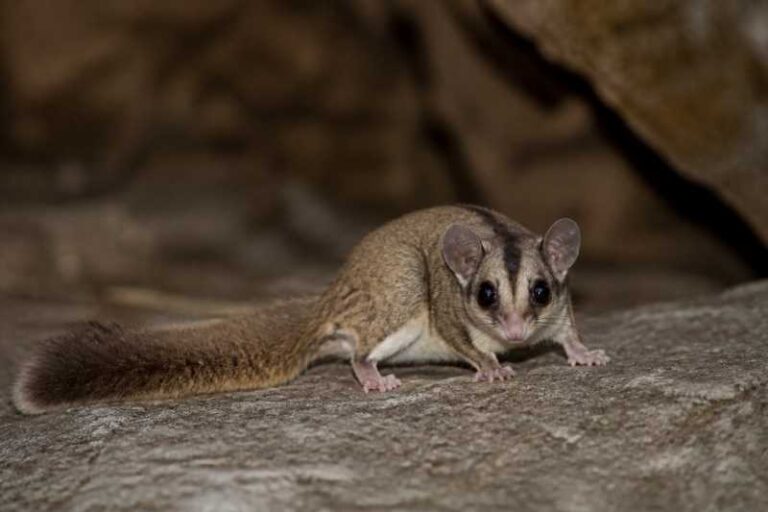
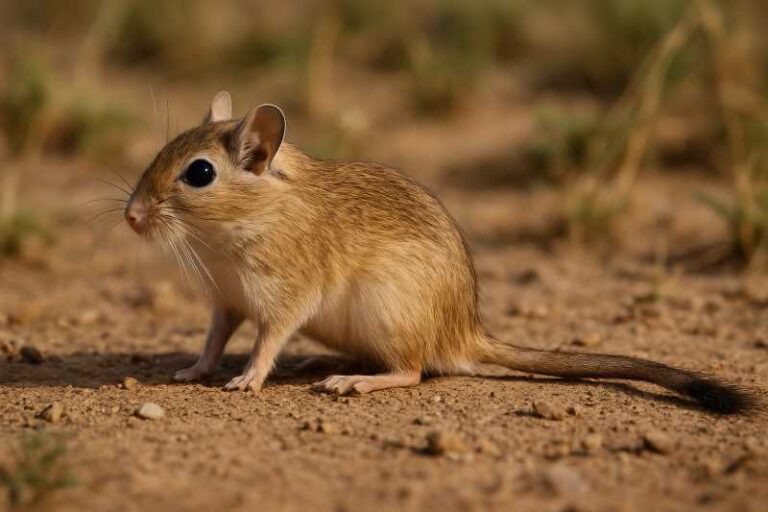
The Taiwan Vole is a small rodent characterized by its compact body and soft, dense fur, which provides insulation against the cool temperatures of its high-altitude habitat. Typically, the vole measures about 10 to 13 centimeters in body length, with a tail extending an additional 4 to 6 centimeters. Its fur is predominantly brownish-gray, allowing it to blend seamlessly into its forested surroundings. The vole’s underbelly is usually lighter in color, often appearing whitish or light gray. One of the distinguishing features of the Taiwan Vole is its small, rounded ears, which are partially hidden by its fur, and its large, beady eyes that provide excellent vision in dim lighting conditions.
Range and Habitat
The Taiwan Vole is endemic to Taiwan, meaning it is found nowhere else in the world. It primarily inhabits high-altitude areas, thriving in montane forest ecosystems. These environments are characterized by dense undergrowth and a cool, moist climate, which the vole is well-adapted to. The species is most commonly found in the central mountain ranges of Taiwan, such as the Hehuanshan and Xueshan ranges, at elevations ranging from 2,000 to 3,500 meters above sea level. The vole’s habitat preference includes areas with abundant vegetation cover, which provides both food and protection from predators.
Behavior and Diet
The Taiwan Vole is a largely nocturnal creature, spending most of its active hours foraging for food under the cover of darkness. Its diet primarily consists of a variety of plant materials, including grasses, seeds, roots, and leaves. Occasionally, it may also consume insects and other small invertebrates, although these constitute a minor part of its diet. The vole is known for its burrowing behavior, creating intricate tunnel systems within its habitat. These burrows serve multiple purposes, including protection from predators, storage of food, and a safe environment for raising young.
Socially, the Taiwan Vole is relatively solitary, with individuals maintaining separate territories. However, during the breeding season, which occurs in the spring and early summer, males and females come together for mating. After a gestation period of approximately three weeks, the female gives birth to a litter of 3 to 6 pups, which are weaned and independent within a month.
Identification Tips
When observing the Taiwan Vole in the wild, several field recognition cues can assist in its identification:
- Size and Shape: Look for a small rodent with a compact body, short legs, and a relatively short tail.
- Fur Coloration: Note the brownish-gray fur with a lighter underbelly, which helps in camouflaging within its forest habitat.
- Ear and Eye Features: The vole’s small, rounded ears and large, prominent eyes are distinctive features.
- Burrowing Behavior: Evidence of burrow entrances and runways through vegetation can indicate the presence of voles.
- Vocalizations: Listen for soft squeaks or chatters, particularly during the breeding season.
Conservation Status
The Taiwan Vole is currently classified as ‘Least Concern’ by the International Union for Conservation of Nature (IUCN). However, it faces several threats that could impact its population in the future. Habitat destruction due to deforestation and land development poses significant risks. Additionally, climate change, which can alter the vole’s montane habitat, is a growing concern. Conservation efforts are focused on preserving the natural forest ecosystems of Taiwan and implementing measures to mitigate the effects of climate change.
Protection initiatives include the establishment of protected areas and national parks, which safeguard critical habitats. Environmental awareness campaigns also play an essential role in educating the public and promoting sustainable practices that benefit both wildlife and human communities.
Frequently Asked Questions
1. What is the primary diet of the Taiwan Vole?
The Taiwan Vole primarily feeds on plant materials such as grasses, seeds, roots, and leaves. Occasionally, it may consume small insects and invertebrates.
2. Where can the Taiwan Vole be found?
The Taiwan Vole is endemic to Taiwan and inhabits montane forest areas at elevations between 2,000 and 3,500 meters, particularly in the central mountain ranges.
3. How does the Taiwan Vole adapt to its environment?
The vole has several adaptations, including dense fur for insulation, a burrowing lifestyle for protection, and nocturnal habits to avoid predators.
4. What threats does the Taiwan Vole face?
Major threats include habitat destruction due to deforestation, land development, and the impacts of climate change on its montane ecosystem.
5. Is the Taiwan Vole endangered?
Currently, the Taiwan Vole is not considered endangered and is classified as ‘Least Concern’ by the IUCN, but it still faces threats that require monitoring and conservation efforts.
Related posts