Ferreira’s Spiny Tree-rat (Mesomys hispidus): A Comprehensive Guide
Introduction
Ferreira’s Spiny Tree-rat, scientifically known as Mesomys hispidus, is a fascinating rodent species belonging to the family Echimyidae. This elusive mammal is native to the dense and diverse tropical forests of South America. Known for its distinctive spiny fur and arboreal lifestyle, the Spiny Tree-rat is a unique species that contributes significantly to the biodiversity of its habitat. This article delves into various aspects of this intriguing creature, offering insights into its physical characteristics, habitat preferences, behaviors, and conservation status.
Physical Description
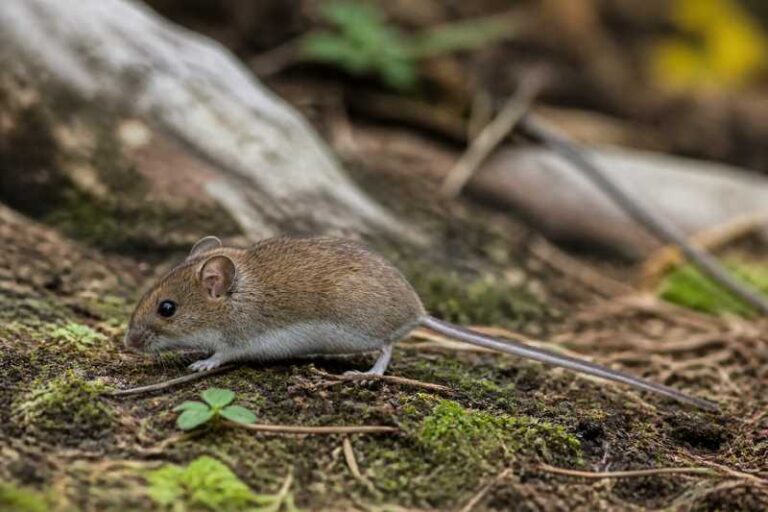
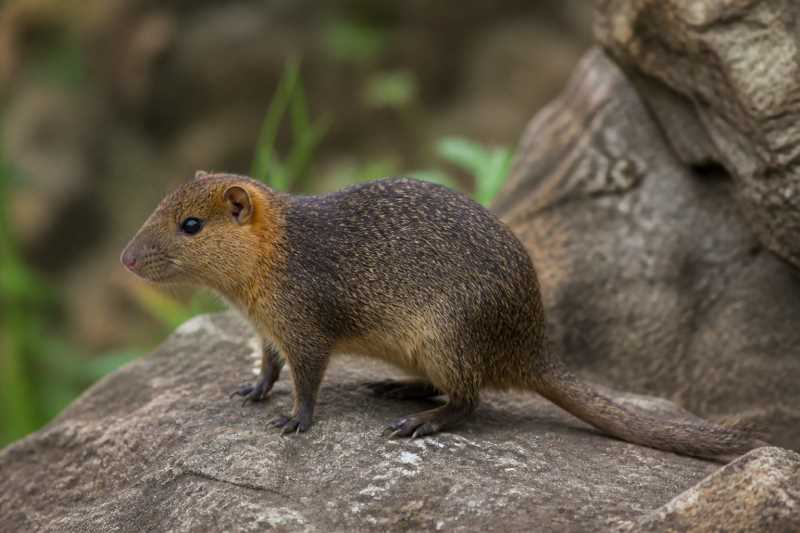
Ferreira’s Spiny Tree-rat is a medium-sized rodent with a body length ranging from 15 to 22 centimeters, excluding its tail, which can measure an additional 18 to 25 centimeters. The species is easily identifiable by its coarse and spiny fur, which serves as an excellent defense mechanism against predators. This spiny coat is predominantly brown or reddish-brown, with paler underparts that may appear white or light gray.
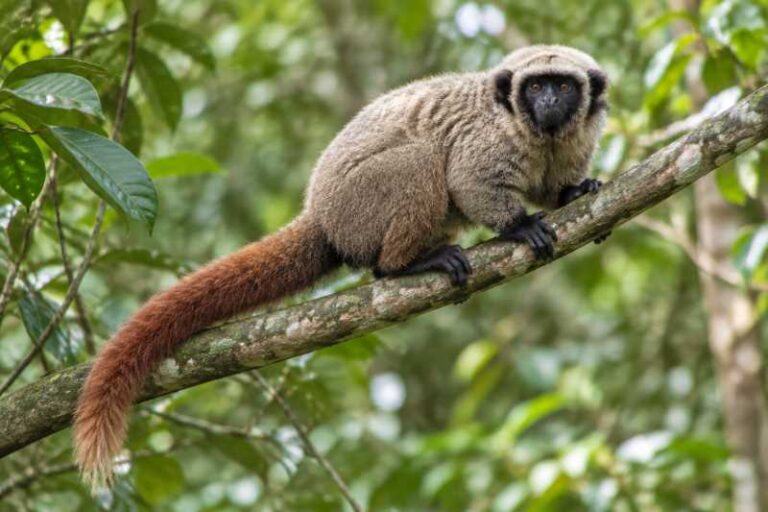
The tail of the Spiny Tree-rat is covered in short, bristly hairs and is prehensile, allowing the animal to navigate through the forest canopy with agility. Its feet are well-adapted for climbing, featuring sharp claws and soft pads that provide a firm grip on branches. The head of Mesomys hispidus is relatively small, with large, dark eyes and a pointed snout, equipped with long whiskers that aid in sensory perception.
Range and Habitat
Ferreira’s Spiny Tree-rat is primarily found in the tropical rainforests of South America, with its range extending across several countries, including Brazil, Colombia, Ecuador, Peru, and Bolivia. These regions are characterized by high humidity, dense vegetation, and an abundance of arboreal structures, which are essential for the species’ survival and ecological niche.
The Spiny Tree-rat is arboreal, spending most of its life in the upper layers of the forest. It prefers habitats that offer a rich canopy with ample food sources and protection from ground-based predators. Within these forests, the species can be found in both primary and secondary growth areas, as well as in close proximity to water bodies such as rivers and streams.
Behavior and Diet
The Spiny Tree-rat is primarily nocturnal, meaning it is most active during the night. During daylight hours, it seeks shelter in tree hollows or dense foliage to rest and evade predators. As a solitary creature, it typically forages alone, although it may occasionally be observed in small groups, especially during mating seasons.
Diet-wise, Mesomys hispidus is omnivorous, feeding on a variety of plant materials such as fruits, seeds, and leaves, as well as insects and small invertebrates. Its feeding habits play a crucial role in the ecosystem, aiding in seed dispersal and maintaining plant diversity within its habitat.
Identification Tips
Identifying Ferreira’s Spiny Tree-rat in the wild can be challenging due to its elusive nature and nocturnal habits. However, there are several key features that can aid in its recognition:
- Spiny Fur: The most distinctive feature is its spiny, bristly coat, which sets it apart from other rodents in the same habitat.
- Prehensile Tail: Look for its long, agile tail, which is used for balance and gripping branches.
- Active at Night: Observations are best made during nighttime when the Spiny Tree-rat is most active.
- Habitat: Focus on dense forested areas with rich canopy cover, as these are the preferred habitats.
- Sounds: Listen for rustling noises in the trees, which may indicate its presence as it forages for food.
Conservation Status
The conservation status of Ferreira’s Spiny Tree-rat is currently listed as "Least Concern" by the International Union for Conservation of Nature (IUCN). Despite this classification, the species faces several threats that could impact its population in the future.
Threats
- Habitat Loss: Deforestation due to agriculture, logging, and urbanization poses a significant threat to its natural habitat.
- Climate Change: Alterations in weather patterns and temperature could affect the availability of food and suitable habitats.
- Predation: Natural predators, including birds of prey and larger mammals, pose a constant threat.
Protections
Efforts to conserve the species are primarily focused on habitat preservation. Protected areas and national parks within its range play a vital role in maintaining suitable environments for the Spiny Tree-rat. Additionally, conservation programs aimed at sustainable forestry and land use practices contribute to safeguarding the species’ future.
Frequently Asked Questions
1. What do Ferreira’s Spiny Tree-rats eat?
Ferreira’s Spiny Tree-rats are omnivorous, feeding on fruits, seeds, leaves, insects, and small invertebrates. This diverse diet helps them adapt to various environmental conditions.
2. Where can Ferreira’s Spiny Tree-rats be found?
These rodents inhabit the tropical rainforests of South America, particularly in countries like Brazil, Colombia, and Peru, where dense canopies and humid conditions prevail.
3. Are Ferreira’s Spiny Tree-rats endangered?
Currently, the species is listed as "Least Concern" by the IUCN. However, ongoing threats such as habitat loss and climate change could potentially impact their populations.
4. How do Ferreira’s Spiny Tree-rats protect themselves?
Their primary defense is their spiny fur, which deters predators. Additionally, their nocturnal habits and arboreal lifestyle help them avoid many ground-based threats.
5. What is the role of Ferreira’s Spiny Tree-rats in their ecosystem?
They play a crucial role in seed dispersal and maintaining plant diversity, contributing to the overall health and balance of their forest ecosystems.
Related posts