Introduction
Eschscholtz’s Long-fingered Bat, scientifically known as Miniopterus eschscholtzii, is a fascinating species that belongs to the family Miniopteridae. This bat species is notable for its unique adaptations and ecological roles within its habitat. Bats, in general, are critical to ecosystems due to their roles in pest control, pollination, and seed dispersal. Eschscholtz’s Long-fingered Bat is no exception, contributing significantly to the environmental balance in its native regions.
First described in the early 19th century, this species has intrigued researchers and conservationists alike due to its distinct physical characteristics and behavioral patterns. Understanding more about this bat can help in its conservation and the preservation of its natural habitats.
Physical Description
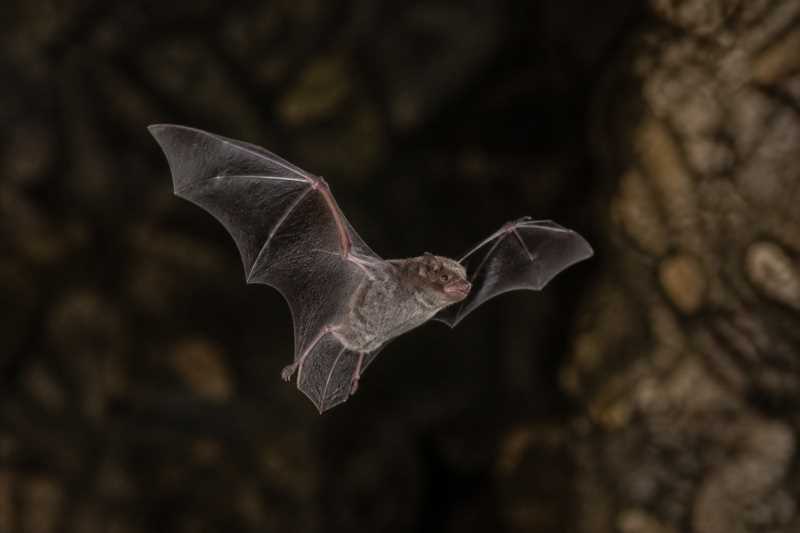
Eschscholtz’s Long-fingered Bat is relatively small, yet it possesses distinct physical features that make it stand out among other bats. Typically, these bats have a wingspan ranging from 28 to 34 centimeters, and their body length measures between 5 to 7 centimeters. They weigh approximately 10 to 12 grams.
One of the most remarkable features of Miniopterus eschscholtzii is its elongated fingers, which contribute to its name. These long fingers are crucial for its flight mechanics, allowing for agile and swift movements in the air. The wings are relatively narrow and streamlined, optimized for fast and sustained flight over long distances.
The bat’s fur is generally dark brown or black, providing camouflage in its nocturnal environment. The muzzle is slightly upturned, and they have small, rounded ears with a tragus that aids in echolocation. The eyes are small, typical of species that rely heavily on echolocation rather than vision.
Range and Habitat
Eschscholtz’s Long-fingered Bat is predominantly found in the tropical and subtropical regions of Southeast Asia and the Pacific Islands. Its range includes countries like Indonesia, the Philippines, Papua New Guinea, and parts of Australia.
These bats prefer habitats that offer a combination of roosting and foraging opportunities. They are often found in limestone caves, which provide safe roosting sites away from predators. Additionally, they inhabit forests and areas close to water bodies, as these environments are rich in insect populations – their primary food source.
The presence of these bats is often an indicator of a healthy ecosystem, as they rely on diverse and abundant insect populations for survival.
Behavior and Diet
Eschscholtz’s Long-fingered Bat is nocturnal, emerging at dusk to forage for food. Their diet primarily consists of insects, including moths, beetles, and other flying insects. Using echolocation, they can detect and capture prey with remarkable precision.
These bats exhibit social behavior and often roost in large colonies, which can number in the thousands. Roosting together provides warmth and protection from predators. Communication within the colony is facilitated through a series of clicks and chirps, which are also used in echolocation.
During the breeding season, which typically coincides with the wet season when insect abundance is highest, females give birth to a single pup. The young are nurtured in maternity colonies, where they are cared for until they are capable of foraging independently.
Identification Tips (Field Recognition Cues)
Identifying Eschscholtz’s Long-fingered Bat in the field requires attention to several distinctive characteristics:
- Wingspan and Size: Look for a small bat with a wingspan of 28 to 34 cm and a body length of 5 to 7 cm.
- Finger Length: Notice the unusually long fingers, which are a key feature of this species.
- Fur Color: Dark brown or black fur helps these bats blend into their nocturnal surroundings.
- Flight Pattern: Observe their fast, agile flight, which is indicative of their adapted wing structure.
- Roosting Behavior: They are typically found roosting in large colonies in caves or forested areas.
Conservation Status (with Threats and Protections)
Eschscholtz’s Long-fingered Bat is currently listed as Least Concern on the IUCN Red List. However, like many bat species, they face threats from habitat destruction, particularly due to deforestation and cave disturbance.
The loss of roosting sites is a significant threat to these bats. Human encroachment into natural habitats for agriculture and development has led to a decline in suitable roosting and foraging areas.
Conservation efforts include habitat protection and the establishment of protected areas to ensure the preservation of critical roosting sites. Awareness programs aimed at local communities emphasize the ecological importance of bats and encourage coexistence.
Frequently Asked Questions (FAQs)
What is the primary diet of Eschscholtz’s Long-fingered Bat?
Eschscholtz’s Long-fingered Bat primarily feeds on insects, such as moths and beetles, utilizing echolocation to detect and capture them with efficiency.
Where can Eschscholtz’s Long-fingered Bats be found?
These bats are found in Southeast Asia and the Pacific Islands, including countries like Indonesia, the Philippines, and parts of Australia.
How do Eschscholtz’s Long-fingered Bats navigate in the dark?
They use echolocation, emitting high-frequency sounds that bounce off objects, allowing them to navigate and hunt in complete darkness.
What are the main threats to Eschscholtz’s Long-fingered Bat populations?
The primary threats include habitat destruction due to deforestation, cave disturbance, and human encroachment on natural habitats.
How can we help in the conservation of Eschscholtz’s Long-fingered Bat?
Supporting habitat protection initiatives and raising awareness about the ecological significance of bats can contribute to their conservation.
Related posts