Introduction
The Diauarum Grass Mouse, scientifically known as Akodon diauarum, is a small rodent species belonging to the Cricetidae family. This intriguing mammal is a part of the genus Akodon, which comprises numerous closely related species spread across South America. The Diauarum Grass Mouse, in particular, has garnered attention due to its specific habitat preferences and the unique ecological role it plays in its environment. This article delves into the physical characteristics, habitat, behavior, and conservation status of this fascinating species.
Physical Description
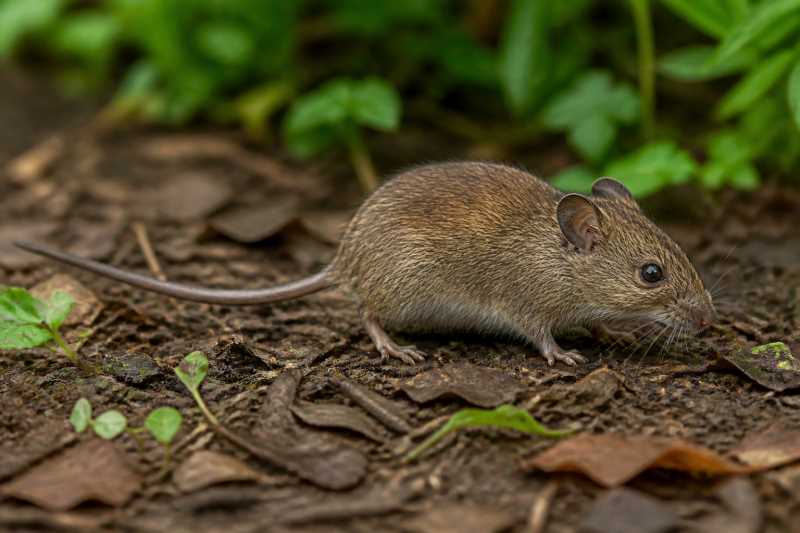
The Diauarum Grass Mouse is a small-sized rodent characterized by its dense, soft fur and relatively short tail. Its fur is typically a mix of brown and gray, allowing it to blend seamlessly into its grassy habitat. The underbelly of the mouse is generally lighter, often a shade of pale gray or white. Adult Diauarum Grass Mice typically weigh between 20 to 40 grams and measure about 10 to 15 centimeters in body length, excluding the tail, which adds another 5 to 8 centimeters.
Their ears are small and rounded, often hidden within the fur, and their eyes are beady and black, adapted for low-light environments. The limbs of the Diauarum Grass Mouse are short but robust, equipped with sharp claws that aid in digging and foraging. This physical adaptation is crucial for survival in their native grassland habitats.
Range and Habitat
The Diauarum Grass Mouse is endemic to specific regions in South America, with its range predominantly spanning parts of Brazil. This species favors grassland ecosystems, particularly those with a dense undergrowth of grasses and shrubs. These habitats provide both food sources and protection from predators.
These mice are often found in areas that have a mix of open grasslands and patches of forest or shrubland. They prefer regions that offer ample cover and have a rich supply of seeds and insects. Seasonal variations in rainfall and temperature in these areas influence their population density and distribution, as they rely heavily on the availability of resources that fluctuate with the seasons.
Behavior and Diet
Diauarum Grass Mice are primarily nocturnal, with most of their activities occurring at night. This behavior helps them avoid diurnal predators. They are known for their quick and agile movements, which are essential for escaping threats and efficiently foraging for food.
The diet of the Diauarum Grass Mouse is omnivorous, consisting mainly of seeds, grains, and a variety of insects. They play a significant role in seed dispersal within their ecosystem, contributing to plant diversity and regeneration. Their foraging behavior is characterized by meticulous searching and caching of food, a necessary strategy to ensure survival during lean periods.
Socially, these mice are relatively solitary, although they may form loose colonies in areas where food is abundant. Communication among individuals is primarily through scent marking and vocalizations, which help in establishing territory and attracting mates.
Identification Tips
Identifying the Diauarum Grass Mouse in the field requires attention to several key characteristics:
- Size and Shape: Look for a small, compact rodent with a body length of 10 to 15 cm and a relatively short tail.
- Fur Coloration: Observe the brown and gray fur, with a lighter underbelly, which is distinctive in grassy environments.
- Behavior: Note their nocturnal activity and quick movements, especially in areas with dense grass.
- Habitat: They are typically found in grasslands or areas with dense undergrowth, often near water sources.
- Vocalizations: Listen for their soft, high-pitched calls, which are used for communication.
Conservation Status
The conservation status of the Diauarum Grass Mouse is currently not well-documented, largely due to its relatively recent identification and the lack of comprehensive studies. However, like many grassland species, the Diauarum Grass Mouse faces threats from habitat destruction and fragmentation.
The primary threats include agricultural expansion, deforestation, and urban development, which lead to the loss of natural habitats. Invasive species and changes in land use also pose significant risks to their populations.
Conservation efforts for the Diauarum Grass Mouse should focus on habitat preservation and restoration. Protected areas that encompass their natural habitats are crucial for ensuring their survival. Additionally, more research is needed to better understand their ecology and population dynamics, which can inform effective conservation strategies.
Frequently Asked Questions
What is the diet of the Diauarum Grass Mouse?
The Diauarum Grass Mouse is omnivorous, feeding primarily on seeds, grains, and insects. This diverse diet helps them adapt to seasonal changes in food availability.
Where can the Diauarum Grass Mouse be found?
This species is native to regions in South America, particularly Brazil, where it inhabits grasslands with dense undergrowth.
How does the Diauarum Grass Mouse communicate?
Communication among Diauarum Grass Mice involves scent marking and vocalizations, which are used to establish territory and attract mates.
What are the main threats to the Diauarum Grass Mouse?
The main threats include habitat destruction due to agriculture, deforestation, and urban development, as well as the presence of invasive species.
Are Diauarum Grass Mice social animals?
These mice are relatively solitary, although they may form loose colonies in areas with abundant food. They communicate primarily through scent and sound.
Related posts