Introduction
The East European Gray Vole, scientifically known as Microtus rossiaemeridionalis, is a small mammal that plays a significant role in the ecosystems of Eastern Europe. As a member of the rodent family, this vole is an important part of the food chain, serving as prey for numerous predators. Its presence is a good indicator of a healthy environment, yet much about its life and habits remains intriguing to both scientists and nature enthusiasts alike.
Physical Description
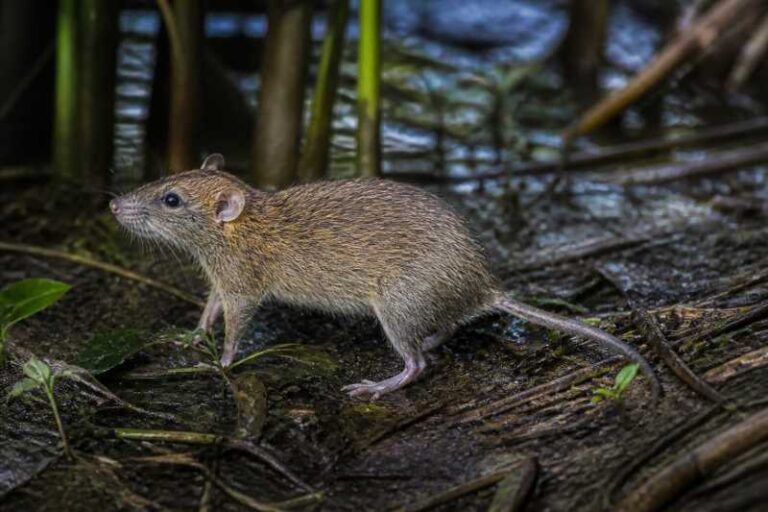
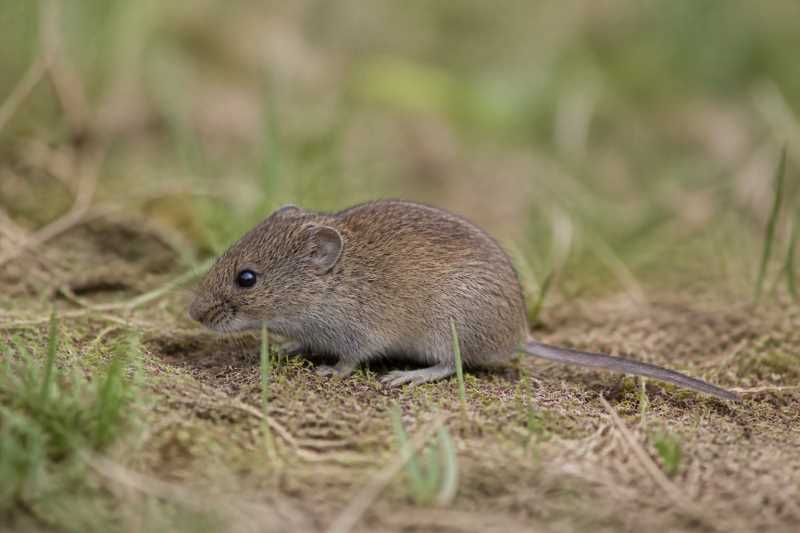
The East European Gray Vole is a small mammal, typically measuring 9 to 12 centimeters in length, excluding its tail, which adds another 3 to 4 centimeters. It weighs between 20 to 40 grams. Its fur is dense and predominantly gray, with a somewhat paler underbelly. The vole’s compact body, short legs, and small, rounded ears are adapted to its burrowing lifestyle, aiding in its ability to navigate through subterranean tunnels and dense vegetation. Its eyes are small, reflecting its primarily nocturnal activity pattern.
Range and Habitat
Microtus rossiaemeridionalis is predominantly found across Eastern Europe, including parts of Russia, Ukraine, and Belarus. The vole favors a range of habitats, from grasslands and agricultural fields to forest edges and marshy areas. It is particularly common in areas with abundant ground cover, which provides both food and protection from predators. The species is highly adaptable, capable of surviving in both rural and suburban environments, although it tends to avoid heavily urbanized areas.
Behavior and Diet
East European Gray Voles are primarily nocturnal, though they may be active during the day in safe environments. They live in small colonies, creating complex burrow systems that provide shelter and storage for food. These voles are territorial, marking their range with scent glands and defending their burrows from intruders.
Their diet is herbivorous, consisting mainly of grasses, roots, seeds, and occasionally insects. The availability of food is a significant factor influencing their reproductive cycle, with population numbers fluctuating based on seasonal food abundance. In the winter, they rely on stored food and continue to forage under the snow.
Identification Tips (Field Recognition Cues)
Identifying the East European Gray Vole in the field requires keen observation. Key characteristics include:
- Size and Shape: Small body size with a short tail.
- Fur Color: Predominantly gray with a lighter belly.
- Ears: Small and rounded, often hidden within fur.
- Behavior: Look for signs of burrowing activity or runways through grass.
- Activity Patterns: Mostly active at night, but sometimes visible during the day in secure areas.
Conservation Status (with Threats and Protections)
The conservation status of the East European Gray Vole is currently stable, but it faces several threats, primarily from habitat destruction and agricultural expansion. Pesticides and changes in land use can significantly impact vole populations by reducing their natural habitat and food sources.
Despite these challenges, the species benefits from being adaptable to different environments. Conservation efforts focus on habitat preservation and sustainable agricultural practices. Protected areas in Eastern Europe help provide safe havens for many vole populations, ensuring their continued survival.
Frequently Asked Questions
1. What is the lifespan of the East European Gray Vole? The typical lifespan of an East European Gray Vole is about 1 to 2 years in the wild. Predation and environmental factors greatly influence longevity.
2. How do East European Gray Voles reproduce? These voles are prolific breeders, with females capable of producing several litters of 3 to 7 pups each year, especially when food is abundant.
3. What role do voles play in the ecosystem? East European Gray Voles are vital for their ecosystems, serving as a food source for predators and contributing to soil aeration and seed dispersal through their burrowing activities.
Related posts