Introduction
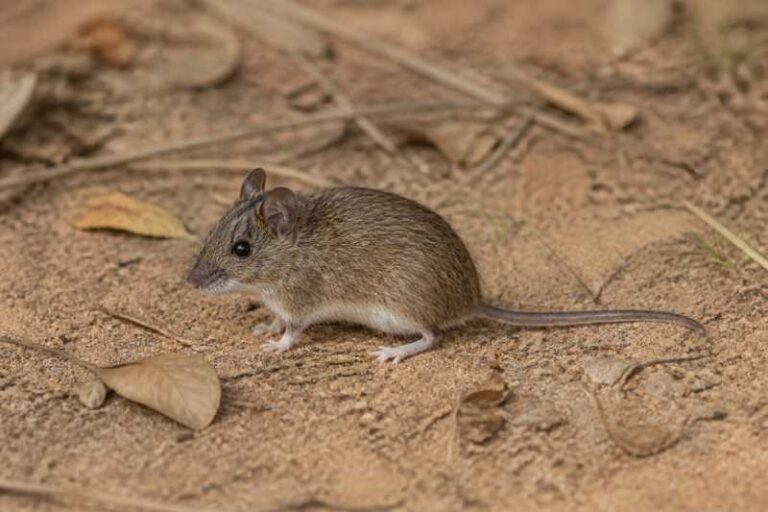
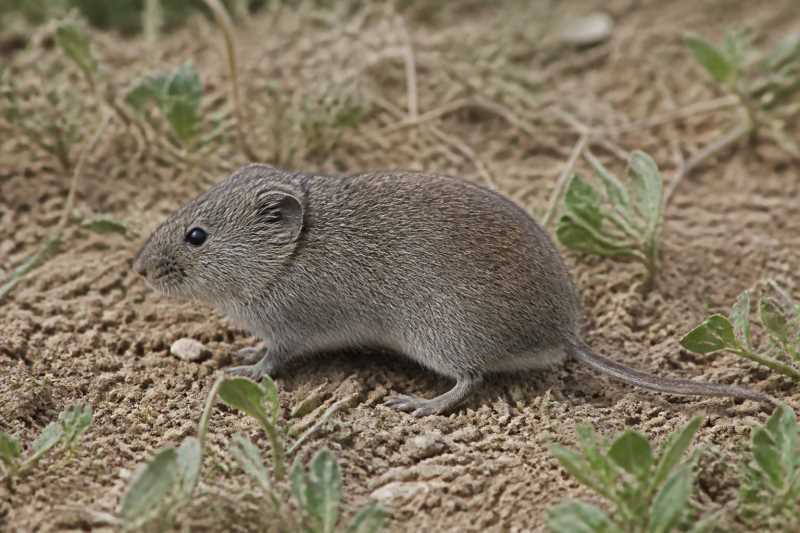
The Caspian Gray Vole, scientifically known as Microtus mystacinus, is a small mammal belonging to the order Rodentia. It is part of the family Cricetidae, which encompasses a variety of voles and lemmings. This elusive rodent is primarily found in the regions surrounding the Caspian Sea, including parts of Eastern Europe and Western Asia. Despite its somewhat obscure nature, the Caspian Gray Vole plays a crucial role in its ecosystem, serving as both a prey species and a consumer of vegetation.
Physical Description
The Caspian Gray Vole is a small rodent, typically measuring between 12 to 15 centimeters in length, with a tail that adds an additional 3 to 5 centimeters. It has a robust body, covered in dense, grayish fur that provides excellent camouflage against the rocky and grassy terrains of its habitat. The fur color can vary slightly, with some individuals exhibiting a more brownish hue. This vole species has small, rounded ears and sharp, gnawing incisors typical of rodents, which it uses to feed on various vegetation.
The Caspian Gray Vole’s eyes are small and adapted for low-light conditions, a necessary feature for its often nocturnal activities. Its limbs are short, but its feet are well-suited for digging and burrowing, a common behavior in voles. The overall physical appearance of the Caspian Gray Vole makes it well-adapted to its environment, allowing it to thrive in both open grasslands and more dense underbrush.
Range and Habitat
The natural range of the Caspian Gray Vole is primarily centered around the Caspian Sea region. It can be found in countries like Azerbaijan, Iran, Russia, and parts of Kazakhstan. This vole favors habitats that offer plenty of cover and food resources, such as grasslands, meadows, and the fringes of agricultural land. It is particularly fond of areas that have a mix of grasses and shrubs, which provide both food and protection from predators.
The Caspian Gray Vole is a versatile species, capable of adapting to different environmental conditions. Its burrowing behavior allows it to escape extreme weather conditions, be it the scorching heat of summer or the icy chills of winter. The availability of food and the presence of predators often dictate its specific habitat choice within its broader range.
Behavior and Diet
The Caspian Gray Vole is primarily nocturnal, although it may exhibit some diurnal activity during certain times of the year, particularly when food is abundant, and predation pressure is low. This vole is known for its burrowing behavior, creating intricate tunnel networks that serve as protection from predators and harsh environmental conditions.
Diet-wise, the Caspian Gray Vole is herbivorous, feeding on a variety of plant materials. Its diet mainly consists of grasses, seeds, roots, and leaves. During the growing season, it may also consume flowers and fruits when available. The vole’s foraging behavior is highly dependent on the season and the availability of food resources.
Identification Tips (Field Recognition Cues)
Identifying the Caspian Gray Vole in the field can be challenging due to its elusive nature and the similarity to other vole species. However, there are a few key characteristics that can help in its identification:
- Fur Color: Look for the characteristic grayish fur, which may sometimes have a brownish tinge.
- Size and Shape: Note the robust body shape, with a total length (including tail) ranging from 15 to 20 centimeters.
- Habitat: Pay attention to the habitat; the presence of burrows in grasslands and meadows can be a good indicator.
- Activity Patterns: Observe the time of day; nocturnal activity is a common trait.
- Burrow Networks: Look for complex burrow systems, often with multiple entrances, which are a signature of vole presence.
Conservation Status (with Threats and Protections)
The Caspian Gray Vole is currently listed as a species of Least Concern by the IUCN Red List. However, its populations are subject to pressures that could threaten its status in the future. Habitat loss due to agricultural expansion and land development is a significant threat. Additionally, changes in land use and climate change pose risks to its habitat and food availability.
Predation by natural predators such as birds of prey and small carnivores is a natural control on its population. However, the introduction of domestic animals and increased human presence can disrupt the ecological balance, putting additional pressure on vole populations.
Conservation efforts for the Caspian Gray Vole are primarily focused on habitat preservation and ensuring sustainable land-use practices. Protected areas around the Caspian Sea and conservation policies aimed at maintaining grassland ecosystems benefit this species indirectly.
Frequently Asked Questions
What is the primary diet of the Caspian Gray Vole?
The Caspian Gray Vole primarily feeds on grasses, seeds, roots, and leaves. It may also consume fruits and flowers when available, especially during the growing season.
Where is the Caspian Gray Vole typically found?
This vole is typically found in the regions surrounding the Caspian Sea, including countries like Azerbaijan, Iran, Russia, and parts of Kazakhstan. It prefers grasslands, meadows, and the edges of agricultural areas.
How can you identify a Caspian Gray Vole in the wild?
Identification can be achieved by noting its grayish fur, robust body, burrowing habits, and preference for nocturnal activity. Observing burrow networks in suitable habitats can also indicate their presence.
What threats does the Caspian Gray Vole face?
The primary threats include habitat loss due to agricultural expansion, land development, and climate change. Natural predation and human activities also impact their populations.
What conservation measures are in place for the Caspian Gray Vole?
Conservation measures focus on habitat preservation, sustainable land-use practices, and maintaining grassland ecosystems, which indirectly benefit this species.
Related posts