Introduction
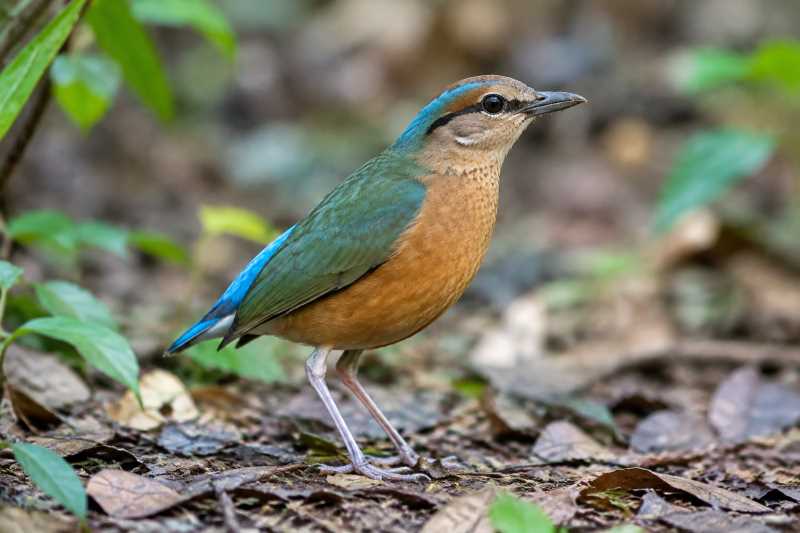
The Blue-rumped Pitta (Hydrornis soror) is a captivating bird species that enchants ornithologists and bird watchers alike with its vibrant plumage and elusive nature. As a member of the Pittidae family, this bird is predominantly found in the lush forests of Southeast Asia. The Blue-rumped Pitta is characterized by its striking blue rump, which contrasts beautifully with its otherwise earthy tones. This article delves into the habitat, behavior, and conservation status of this fascinating avian species.
Habitat and Distribution
The Blue-rumped Pitta is native to the tropical and subtropical forests of Southeast Asia, including countries like Vietnam, Laos, and Cambodia. These birds thrive in dense, humid jungles, where they can find ample food and shelter. The undergrowth of these forests provides the perfect camouflage, allowing the Blue-rumped Pitta to remain hidden from potential predators. Their preference for lowland and montane forests means they are often found at altitudes ranging from sea level to 1,500 meters.
Physical Description
The Blue-rumped Pitta is a medium-sized bird, measuring approximately 18-20 cm in length. The most striking feature of this bird is its blue rump, which gives the species its name. The rest of its body is predominantly olive-green with subtle hints of brown, helping it blend seamlessly into its forest habitat. The male and female Blue-rumped Pittas are similar in appearance, though females tend to have slightly duller plumage. Their beady eyes and sharp beaks are well-adapted for foraging in their intricate environment.
Behavior and Diet
Blue-rumped Pittas are known for their elusive and shy nature. They are ground-dwellers, spending most of their time foraging in the leaf litter for insects, worms, and other small invertebrates. Their diet primarily consists of ants, beetles, and caterpillars, which they deftly uncover using their strong beaks. Despite their vibrant rump, these birds are notoriously difficult to spot, as they move quietly through the undergrowth.
These birds are solitary for most of the year, coming together only during the breeding season. Their calls, a series of melodious whistles, are often the only indicators of their presence in a dense forest. The Blue-rumped Pitta’s song is a crucial aspect of their breeding behavior, as it helps attract mates and establish territory.
Reproduction and Lifecycle
The breeding season for the Blue-rumped Pitta typically occurs during the rainy season, when food is plentiful. The birds build their nests on the ground, using leaves, twigs, and other forest debris to create a cozy and concealed environment for their eggs. A typical clutch consists of 2-4 eggs, which both parents help incubate.
Once the chicks hatch, they remain in the nest for several weeks, during which time both parents are actively involved in feeding and protecting them. The fledglings are vulnerable during this period, relying heavily on their parents for nourishment and safety. After fledging, young Blue-rumped Pittas continue to stay close to their parents until they are capable of independent survival.
Conservation Status
The Blue-rumped Pitta is currently classified as Near Threatened by the International Union for Conservation of Nature (IUCN). The primary threat to this species is habitat loss due to deforestation and agricultural expansion. As their forest habitat continues to be cleared for logging and farming, the Blue-rumped Pitta’s population faces significant challenges.
Conservation efforts are vital to preserving this species and its habitat. Protecting the remaining forests in Southeast Asia and promoting sustainable land use practices are crucial steps toward ensuring the survival of the Blue-rumped Pitta. Bird conservation organizations are also working to raise awareness about this species, highlighting the importance of biodiversity and the need to protect vulnerable ecosystems.
Conclusion
The Blue-rumped Pitta is a vivid reminder of the rich biodiversity found within Southeast Asia’s forests. Its striking appearance and secretive behavior make it a unique subject of study for ornithologists and bird enthusiasts. However, the challenges facing its habitat underscore the urgent need for conservation efforts. By protecting this species and its environment, we not only safeguard the future of the Blue-rumped Pitta but also contribute to the preservation of countless other species that share its home.
Promoting awareness and understanding of the Blue-rumped Pitta’s plight can inspire action and support for conservation initiatives, ensuring that future generations can continue to marvel at the beauty and mystery of this extraordinary bird.
Related posts