Introduction
The Bale White-toothed Shrew (Crocidura bottegoides) is a fascinating small mammal species that has captured the interest of researchers and wildlife enthusiasts alike. This diminutive creature is part of the Soricidae family, which is known for its diverse and widespread members. The Bale White-toothed Shrew, however, stands out due to its unique adaptations and the specific ecological niche it occupies. This article provides an in-depth exploration of the species, including its physical characteristics, habitat preferences, behavior, and conservation status.
Physical Description
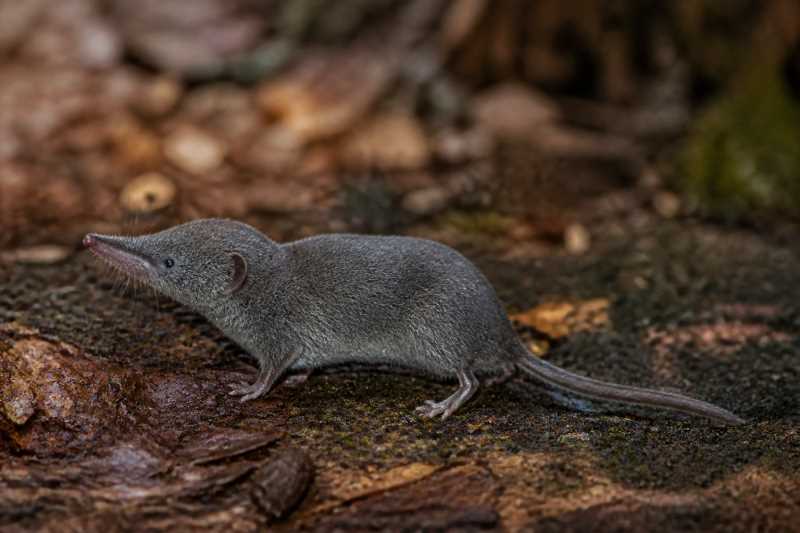
The Bale White-toothed Shrew is a small mammalian species characterized by its sleek and agile body. It typically measures between 60 to 80 millimeters in length, with a tail that adds an additional 30 to 45 millimeters. The weight of this shrew ranges from 5 to 10 grams, making it a lightweight creature adept at moving through its environment with ease.
One of the most distinguishing features of the Bale White-toothed Shrew is its fur. The dense, velvety coat is predominantly grayish-brown on the dorsal side, transitioning to a lighter, off-white color on the ventral side. This coloration provides excellent camouflage against predators and aids in temperature regulation.
The shrew’s name stems from its white teeth, which differ from the pigmented teeth found in many other shrew species. These teeth, although small, are sharp and effective for the shrew’s insectivorous diet. Its snout is elongated, and its eyes are relatively small, a common trait among shrews, which rely more on their keen sense of smell and hearing for navigation and hunting.
Range and Habitat
Crocidura bottegoides is endemic to the Bale Mountains of Ethiopia, a region known for its rich biodiversity and unique ecosystems. The shrew primarily inhabits high-altitude grasslands and heathlands within this mountainous area. These habitats provide abundant cover and ample food resources, making them ideal for the shrew’s survival.
The Bale Mountains experience a range of climatic conditions, with temperatures varying significantly between day and night. The shrew’s habitat is characterized by high humidity levels and frequent fog, conditions that the Bale White-toothed Shrew is well-adapted to thrive in. The dense vegetation, including shrubs and grasses, provides both shelter from predators and a rich hunting ground for insects and other invertebrates.
Behavior and Diet
The Bale White-toothed Shrew is primarily nocturnal, with peak activity occurring during the night. This behavior helps it avoid many diurnal predators. Its activity pattern is closely tied to its foraging habits, as the shrew spends a significant portion of its time searching for food.
As an insectivore, its diet consists mainly of insects and other small invertebrates, such as beetles, caterpillars, and worms. Its sharp teeth and quick reflexes enable it to efficiently capture and consume prey. The shrew’s metabolic rate is exceptionally high, necessitating frequent feeding to sustain its energy levels.
Socially, the Bale White-toothed Shrew is solitary, with individuals maintaining exclusive territories. These territories are marked by scent markings and vocalizations, which play a crucial role in communication and reproduction. During the breeding season, which typically coincides with the warmer months, males and females will come together briefly for mating, but otherwise, they lead solitary lives.
Identification Tips (Field Recognition Cues)
Identifying the Bale White-toothed Shrew in the field requires attention to several key features. Observers should look for a small, agile mammal with a distinctive grayish-brown and off-white coloration. The shrew’s elongated snout and small, white teeth are also indicative of the species.
When attempting to observe this shrew in its natural habitat, it is beneficial to focus on areas with dense vegetation and abundant insect life, especially during the night when the shrew is most active. Listening for rustling noises in the underbrush can also be a helpful cue, as the shrew’s movement is often accompanied by such sounds.
Conservation Status (with Threats and Protections)
The Bale White-toothed Shrew is currently listed as "Least Concern" on the IUCN Red List. However, the species is not without its threats. Habitat loss due to agricultural expansion and human encroachment poses a significant risk to the shrew’s survival. Climate change also threatens the delicate balance of the high-altitude ecosystems upon which the shrew depends.
Conservation efforts for the Bale White-toothed Shrew are focused primarily on habitat protection. The establishment of protected areas within the Bale Mountains is crucial to preserving the diverse ecosystems and the species they support. Continued research and monitoring are also essential to understand the population dynamics and ecological needs of the shrew, allowing for more effective conservation strategies.
Frequently Asked Questions
What does the Bale White-toothed Shrew eat? The Bale White-toothed Shrew is primarily insectivorous, feeding on insects and other small invertebrates such as beetles, caterpillars, and worms.
Where can the Bale White-toothed Shrew be found? This species is endemic to the Bale Mountains of Ethiopia, where it inhabits high-altitude grasslands and heathlands.
What are the main threats to the Bale White-toothed Shrew? The primary threats include habitat loss due to agricultural expansion and climate change, which affect the shrew’s high-altitude ecosystem.
How can the Bale White-toothed Shrew be identified in the field? Look for a small mammal with a grayish-brown and off-white coat, elongated snout, and white teeth. It is mostly active at night in dense vegetation.
What conservation measures are in place for the Bale White-toothed Shrew? Conservation efforts focus on habitat protection within the Bale Mountains, including the establishment of protected areas and ongoing research and monitoring.
Related posts