Introduction
Nelson’s Spiny Pocket Mouse, scientifically known as Heteromys nelsoni, is a fascinating rodent species that thrives in the vibrant ecosystems of Central America. This small mammal, belonging to the family Heteromyidae, has adapted remarkably to its environment, earning a unique niche in the biodiversity of the region. Understanding the biology, behavior, and conservation needs of Nelson’s Spiny Pocket Mouse is crucial for both researchers and conservationists aiming to protect this species and its habitat.
Physical Description
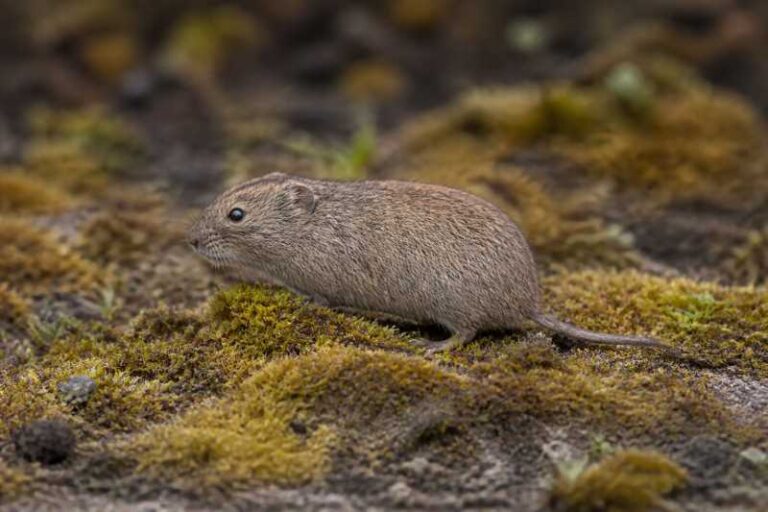
Nelson’s Spiny Pocket Mouse is characterized by its distinct physical features which set it apart from other rodent species. Adults typically range in size from 18 to 22 centimeters, including the tail. The tail itself accounts for nearly half of its total length, contributing to its balance and agility. The coat of Heteromys nelsoni is a blend of brown and gray, providing excellent camouflage against the forest floor.
One of the most distinctive features of Nelson’s Spiny Pocket Mouse is its spiny fur. This adaptation is not only a defensive mechanism against predators but also helps in temperature regulation. Underneath the spiny fur, the mouse has a softer undercoat that insulates the body. Its large eyes and ears suggest nocturnal habits, aiding its survival in the dimly lit forest understory.
Range and Habitat
Nelson’s Spiny Pocket Mouse is predominantly found in the cloud forests and tropical regions of southern Mexico and parts of Central America. These environments provide the necessary cover and resources required for its survival. The species prefers areas with dense foliage and abundant leaf litter, which offer both food and protection from predators.
The mouse is particularly adept at navigating the forest floor, using its powerful hind limbs to leap and its clawed forelimbs to dig. This adaptability allows it to exploit a variety of microhabitats within its range, from forest edges to more densely vegetated areas. Seasonal changes in the environment can influence the distribution of Nelson’s Spiny Pocket Mouse, as they may migrate to lower elevations during cooler months.
Behavior and Diet
Nelson’s Spiny Pocket Mouse is primarily nocturnal, spending the daylight hours hidden in burrows or beneath dense vegetation. At night, it emerges to forage for food, relying on its keen senses of smell and hearing. The diet of Heteromys nelsoni consists mainly of seeds, fruits, and insects. This omnivorous diet allows it to adapt to seasonal variations in food availability.
The species is solitary, with individuals maintaining separate territories that they mark using scent glands. These territories are crucial for feeding and breeding. During the breeding season, males may expand their territories in search of mates. Communication between individuals is primarily via scent marking, though vocalizations and body language also play roles.
Identification Tips
When attempting to identify Nelson’s Spiny Pocket Mouse in the field, there are several key characteristics to note:
- Size and Shape: Look for a small rodent with a relatively long tail and spiny fur.
- Fur Texture: The presence of spiny fur on the back is a distinguishing feature.
- Coloration: Note the brown and gray coloration that blends with the forest floor.
- Behavior: Observe nocturnal activity and solitary foraging behavior.
- Habitat: Presence in dense forested areas with ample leaf litter.
Conservation Status
Nelson’s Spiny Pocket Mouse is currently classified as a species of Least Concern by the IUCN. However, its population is thought to be decreasing due to habitat destruction and fragmentation. Deforestation for agriculture and urban development poses a significant threat to the species, as it reduces the availability of suitable habitats.
Conservation efforts focus on habitat preservation and restoration. Protected areas within its range offer some refuge, but more comprehensive measures are needed to ensure long-term survival. Community engagement and sustainable land management practices are crucial in mitigating the impact of human activities on this species.
Frequently Asked Questions
What is the habitat of Nelson’s Spiny Pocket Mouse?
Nelson’s Spiny Pocket Mouse inhabits cloud forests and tropical regions in southern Mexico and parts of Central America, favoring areas with dense foliage and leaf litter.
How does Nelson’s Spiny Pocket Mouse protect itself from predators?
The spiny fur of Heteromys nelsoni acts as a deterrent to predators. Its nocturnal and solitary behavior also helps reduce predation risk.
Is Nelson’s Spiny Pocket Mouse endangered?
Currently, Nelson’s Spiny Pocket Mouse is not considered endangered, but habitat loss due to deforestation remains a significant threat.
What does Nelson’s Spiny Pocket Mouse eat?
The diet of Nelson’s Spiny Pocket Mouse includes seeds, fruits, and insects, adapting to seasonal food availability.
How can I identify Nelson’s Spiny Pocket Mouse in the wild?
Look for a small rodent with spiny fur, a long tail, and brown-gray coloration, active primarily at night in dense forested areas.
Related posts