Introduction
The Diminutive Serotine, scientifically known as Neoeptesicus diminutus, is a fascinating bat species that has captured the interest of chiropterologists and wildlife enthusiasts alike. This small yet significant mammal belongs to the family Vespertilionidae, commonly referred to as the vesper bats or evening bats. Despite its relatively recent classification in the bat taxonomy, the Diminutive Serotine plays a crucial role in its ecosystem, particularly in insect population control. Understanding its physical characteristics, habitat preferences, and behavioral patterns is essential for its conservation and the protection of biodiversity.
Physical Description
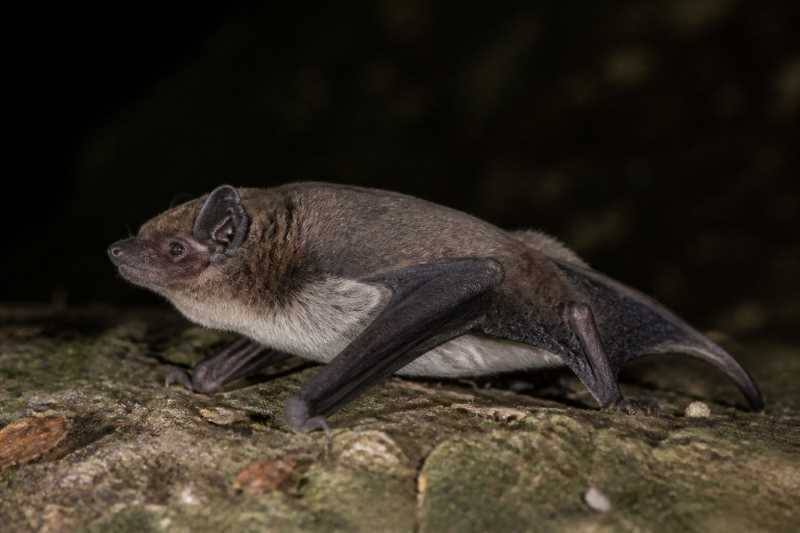
The Diminutive Serotine is aptly named for its small size. This bat typically measures between 4 to 5 centimeters in body length, with a wingspan ranging from 18 to 22 centimeters, making it one of the smaller members of its genus. Its weight varies between 5 to 9 grams, which contributes to its agile flight capabilities.
The fur of the Diminutive Serotine is soft and dense, exhibiting a brownish hue that may vary slightly depending on the geographical location and individual age. The dorsal side tends to be darker, while the ventral side is lighter, providing the bat with a degree of camouflage when roosting. Its ears are rounded and proportionate to its head size, equipped with a well-developed tragus that aids in echolocation.
One of the distinguishing features of the Diminutive Serotine is its facial structure. It possesses a broad and flat muzzle, characteristic of many vesper bats, with small, beady eyes that are adapted for low-light conditions. The bat’s tail is relatively short, extending slightly beyond the tail membrane, which helps in maneuvering during flight.
Range and Habitat
The Diminutive Serotine is primarily found in the subtropical and tropical regions of South America. Its range extends across countries such as Brazil, Paraguay, and northern Argentina, where it inhabits a variety of environments. This bat species is particularly associated with forested areas, including rainforests and cloud forests, where it can find ample shelter and food resources.
In addition to forests, the Diminutive Serotine is also observed in savannas and agricultural landscapes, demonstrating its adaptability to different habitats. It prefers roosting in tree hollows, under bark, and in abandoned buildings, which provide protection from predators and harsh weather conditions. The presence of water bodies, such as rivers and ponds, is beneficial for the species as it supports a higher density of insect prey.
Behavior and Diet
The behavioral patterns of the Diminutive Serotine are primarily nocturnal. It emerges at dusk to commence its hunting activities, relying on echolocation to navigate and locate prey. The bat’s echolocation calls are ultrasonic, typically ranging from 30 to 50 kHz, allowing it to detect insects with remarkable precision.
The diet of the Diminutive Serotine is insectivorous, consisting mainly of moths, beetles, and other small flying insects. Its hunting strategy involves agile flight maneuvers to capture prey in mid-air, a skill facilitated by its lightweight structure and wing morphology. This dietary preference makes the Diminutive Serotine an important natural pest controller, contributing to the ecological balance within its habitat.
Socially, the Diminutive Serotine is known to roost in small colonies, although solitary behavior is not uncommon. During the breeding season, which aligns with the warmer months, females congregate in maternity colonies to give birth and rear their young. The reproductive cycle is characterized by a single annual birth, with females typically giving birth to one or two pups.
Identification Tips
Identifying the Diminutive Serotine in the field requires attention to several key features:
- Size and Shape: Look for a small bat with a wingspan of about 18 to 22 cm and a body length of 4 to 5 cm.
- Coloration: Note the brownish fur with a darker dorsal side and lighter ventral side.
- Ears and Tragus: Rounded ears with a distinct tragus can help differentiate it from other bat species.
- Flight Pattern: Observe the agile and erratic flight, typical of insectivorous bats hunting in open spaces or near water bodies.
- Echolocation Calls: Use a bat detector to listen for ultrasonic calls in the 30 to 50 kHz range.
Conservation Status
The conservation status of the Diminutive Serotine is currently listed as Least Concern by the International Union for Conservation of Nature (IUCN). However, like many bat species, it faces several threats that could impact its populations in the future.
Threats:
- Habitat Loss: Deforestation and land conversion for agriculture reduce the availability of suitable roosting and feeding habitats.
- Pesticide Use: The widespread use of pesticides in agriculture can deplete the bat’s food resources and lead to toxic exposure.
- Climate Change: Altered weather patterns and increasing temperatures may affect the availability of prey and suitable habitats.
Protections:
- Protected Areas: The establishment of nature reserves and protected areas helps preserve critical habitats for the Diminutive Serotine.
- Conservation Programs: Initiatives aimed at reducing pesticide use and promoting sustainable agriculture benefit the species.
- Public Awareness: Educating communities about the ecological importance of bats can foster coexistence and support conservation efforts.
Frequently Asked Questions
1. What does the Diminutive Serotine eat?
The Diminutive Serotine primarily feeds on insects, including moths and beetles, which it captures in flight using echolocation.
2. Where can I find the Diminutive Serotine?
This bat species is found in South America, particularly in Brazil, Paraguay, and northern Argentina, inhabiting forests, savannas, and agricultural areas.
3. How does the Diminutive Serotine contribute to the ecosystem?
As an insectivorous bat, the Diminutive Serotine plays a vital role in controlling insect populations, thereby maintaining ecological balance and supporting agricultural productivity.
4. What are the main threats to the Diminutive Serotine?
The primary threats include habitat loss due to deforestation, pesticide use, and climate change, all of which can impact its food resources and habitat availability.
5. How can I identify the Diminutive Serotine?
Look for a small bat with brownish fur, rounded ears, and an erratic flight pattern. Using a bat detector can help identify its ultrasonic echolocation calls.
Related posts