The Mascarene Swiftlet: A Marvel of the Skies
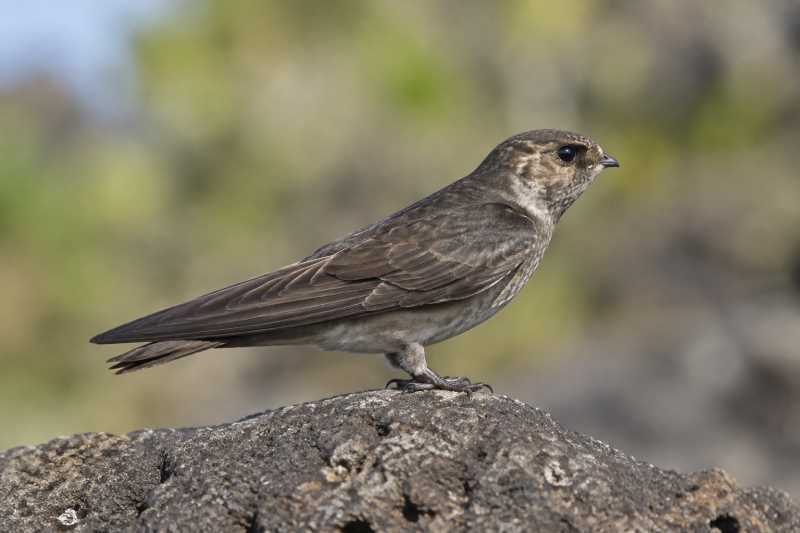
The Mascarene Swiftlet (Aerodramus francicus) is a remarkable avian species that has captured the attention of ornithologists and bird enthusiasts alike. Native to the Mascarene Islands located in the Indian Ocean, this swiftlet is a fascinating example of avian adaptation and survival.
A Glimpse into its Habitat
The Mascarene Swiftlet is primarily found on the islands of Mauritius and Réunion. These islands provide a diverse range of ecosystems, from coastal cliffs to inland forests, which are essential for the swiftlet’s nesting and foraging activities. The swiftlet is a highly adaptable bird that thrives in both natural and modified landscapes, often seen flitting around in search of insects, its primary food source.
Physical Characteristics and Behavior
Measuring approximately 10 to 12 centimeters in length, the Mascarene Swiftlet is a small bird with a wingspan that allows for agile flight. Its plumage is predominantly dark with a slight gloss, providing excellent camouflage against the backdrop of rocky cliffs and dense foliage. One of the most distinctive features of this bird is its ability to echolocate, similar to bats, which it uses to navigate and hunt within the dimly lit environments of caves where it often nests.
The swiftlet’s echolocation is an evolutionary adaptation that enables it to thrive in habitats that offer protection from predators and harsh weather conditions. Its calls, although inaudible to the human ear, are perfectly adapted for detecting obstacles and locating prey in complete darkness.
Reproduction and Lifespan
The breeding habits of the Mascarene Swiftlet are an intriguing aspect of its life cycle. These birds are known for their unique nesting technique, using their saliva to construct cup-shaped nests on vertical surfaces within caves or under overhangs. This sticky secretion hardens upon exposure to air, securing the nest in place and providing a safe environment for their eggs.
A typical clutch consists of one to two eggs, with both parents sharing the responsibility of incubation and feeding the chicks. The swiftlet’s dedication to its offspring is evident in the amount of time and energy invested in ensuring their survival, from the selection of secure nesting sites to the meticulous feeding of their young.
Conservation Status and Challenges
Despite the resilience and adaptability of the Mascarene Swiftlet, it faces several conservation challenges. The primary threats include habitat loss due to urbanization and agriculture, as well as the introduction of invasive species that prey on eggs and chicks or compete for food resources. Climate change also poses a significant risk by altering the availability of insects, which are crucial for the swiftlet’s diet.
Conservation efforts are underway to protect the habitats of the Mascarene Swiftlet. Initiatives include habitat restoration, control of invasive species, and the establishment of protected areas to ensure safe breeding grounds. Public awareness and community engagement are also essential components of these efforts, as they foster a greater appreciation for the biodiversity of the Mascarene Islands and the need for sustainable development.
The Role of Research and Monitoring
Ongoing research and monitoring are vital for understanding the population dynamics and ecological requirements of the Mascarene Swiftlet. Studies on their feeding habits, breeding success, and migration patterns provide valuable insights that inform conservation strategies. Collaboration between local and international conservation organizations is crucial in addressing the multifaceted challenges faced by this species.
Conclusion
The Mascarene Swiftlet is an extraordinary example of nature’s ingenuity, showcasing the intricate balance between adaptation and survival. Its presence in the Mascarene Islands is not only a testament to the region’s rich biodiversity but also a reminder of the importance of conservation efforts to preserve our natural heritage. By continuing to study and protect this remarkable bird, we can ensure that future generations will also have the opportunity to marvel at its mastery of the skies.
In summary, the Mascarene Swiftlet is more than just a bird; it is a symbol of resilience and adaptation, worthy of admiration and protection. Through concerted conservation efforts, we can ensure that this species continues to soar above the islands, a living emblem of the natural world’s wonders.
Related posts